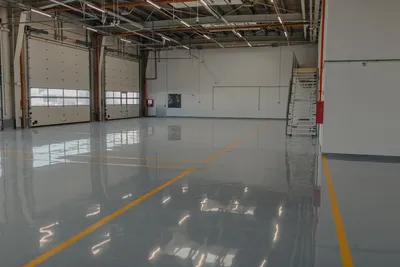

Industrial Epoxy Flooring in Manville, NJ
Manville's industrial footprint has shifted over the decades since the old Johns-Manville plant dominated the northeast corner of the borough, but light manufacturing, auto service operations, warehousing, and distribution facilities still operate here. These floors deal with forklift traffic, hydraulic fluids, chemical spills, and the same elevated moisture conditions that affect every slab in this low-lying Somerset County borough. We install industrial-grade systems built for the actual operating environment, phased to keep production running.
Why industrial operators in Manville choose us
Industrial floors near the Raritan-Millstone corridor share a problem with every other slab in the borough: the water table is high, flooding has been severe, and concrete that has been saturated during major storm events has different properties than concrete in drier locations. A standard industrial coating applied without vapor-mitigation primer on a post-flood Manville slab will delaminate under forklift loads within months. The prep has to account for both the physical abuse the floor takes and the moisture conditions underneath it.
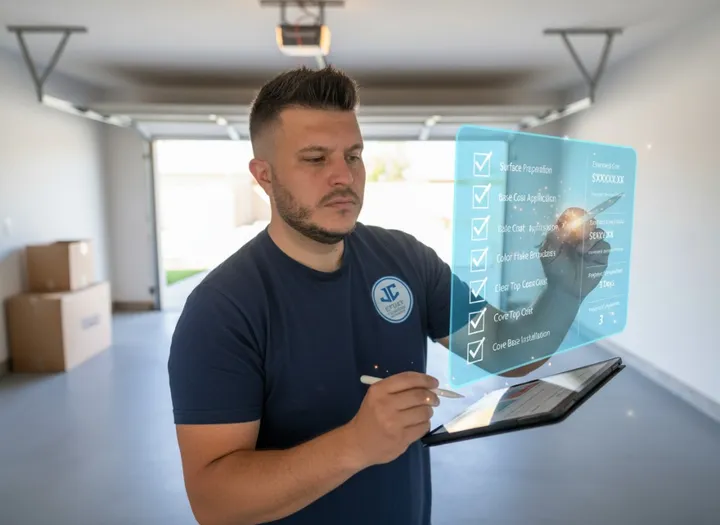
We visit every industrial site before quoting, test the slab for moisture vapor emission and chemical contamination, and design a system that handles the specific operating demands of the facility. For facilities that run continuously, we phase the install to keep active areas accessible. For facilities with defined maintenance windows, we plan the full install within that window. You get a written scope with slab assessment findings, system specification, and a realistic production timeline.
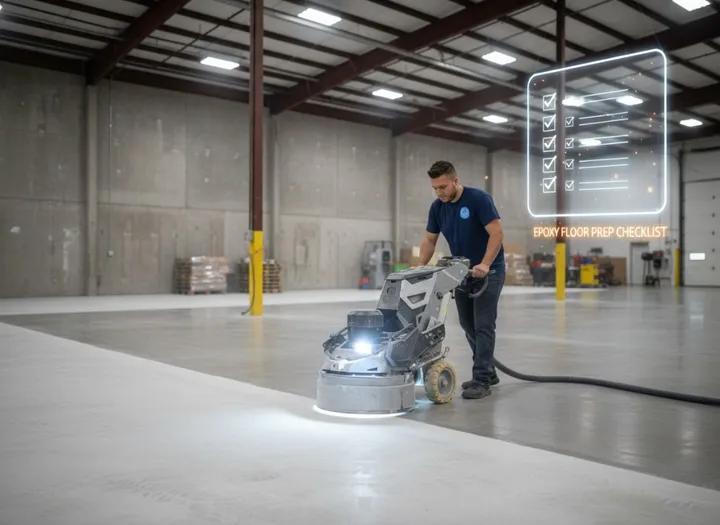
Our process for industrial epoxy in Manville
Our industrial services in Manville
Light manufacturing, auto service operations, and warehousing near the former plant corridor and throughout the borough. Systems rated for forklift traffic, chemical exposure, and slabs with a flooding history.
Browse all industrial services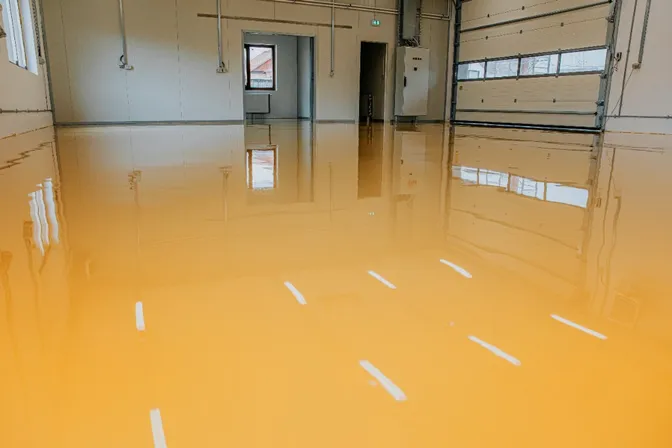
Warehouse
Epoxy flooring for warehouses. Forklift-resistant, chemical-resistant, and built for heavy use.
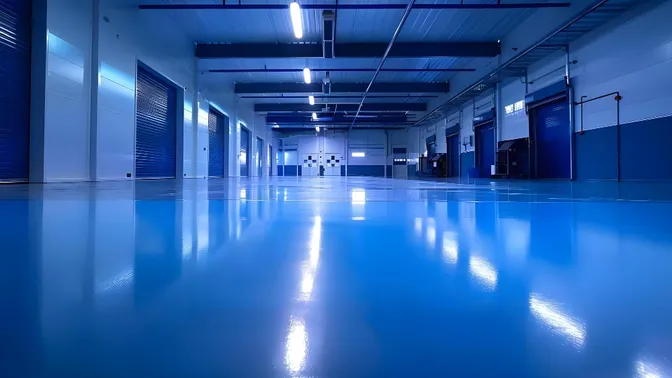
Factory
Epoxy for factories and manufacturing. Chemical and impact resistant, durable under heavy equipment.
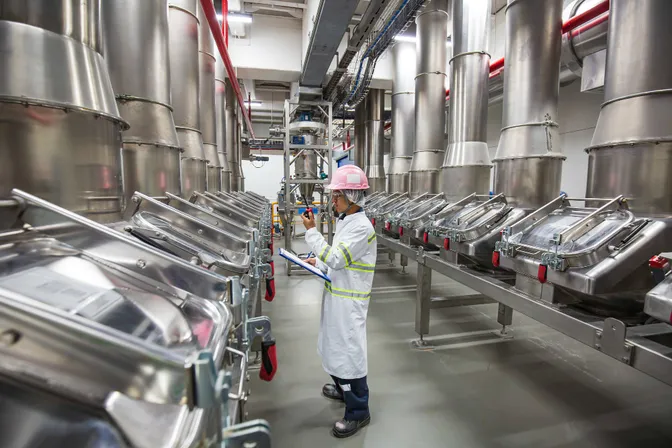
Food Processing
Food-grade epoxy for processing facilities. FDA-compliant, slip-resistant, easy to clean.
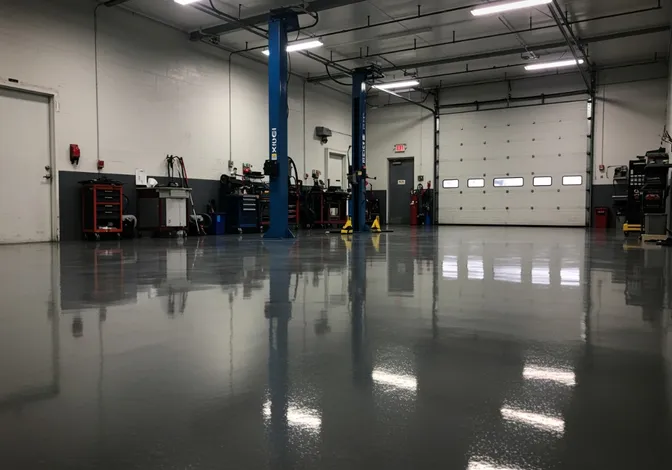
Auto & Mechanical Shop
Epoxy for auto shops and mechanical shops. Oil and chemical resistant, durable under lifts and equipment.
What you get
Key Benefits
- Moisture vapor emission testing on every industrial slab before system specification
- Chemical degreasing and surface preparation for contaminated concrete
- Epoxy mortar and high-build systems for forklift and heavy traffic areas
- Urethane cement for thermal cycling and chemical processing environments
- Joint and crack repair included in prep to prevent edge delamination
- Phased installation to keep production areas operational during the job
Ideal For
Industrial facilities in Manville including auto service operations, light manufacturing plants, warehousing and distribution, maintenance shops near the old plant corridor, and any facility where the concrete has been through the borough's major flooding events and needs proper assessment before a new system goes down.
What to Expect
We assess before quoting, test the slab, and design the system for your operating environment. Industrial installs are phased around production. Cure windows vary by system and temperature: most industrial topcoats are return-to-light-traffic in 24 hours, full load bearing in 72 hours. We confirm exact timelines for your specific system.
Industrial Floor Coating Options
Epoxy mortar, urethane cement, polished concrete, and high-build epoxy. We select the system that fits your warehouse, factory, or food processing floor for heavy traffic and chemical resistance.
View all coating options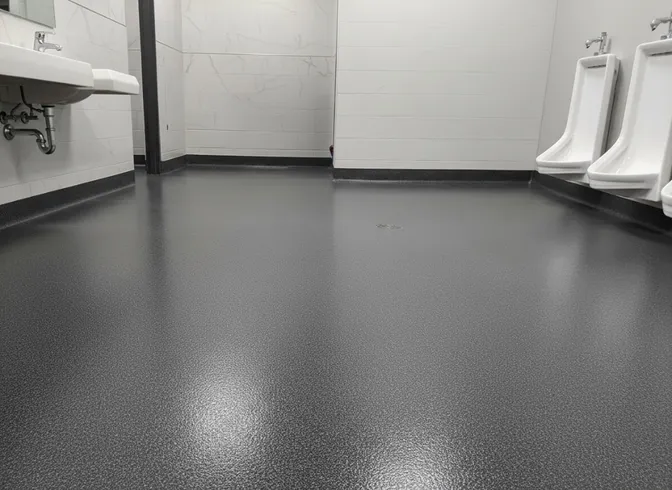
Urethane Cement
Handles temperature extremes and chemical exposure. Installed in commercial kitchens and food-adjacent facilities throughout the borough.
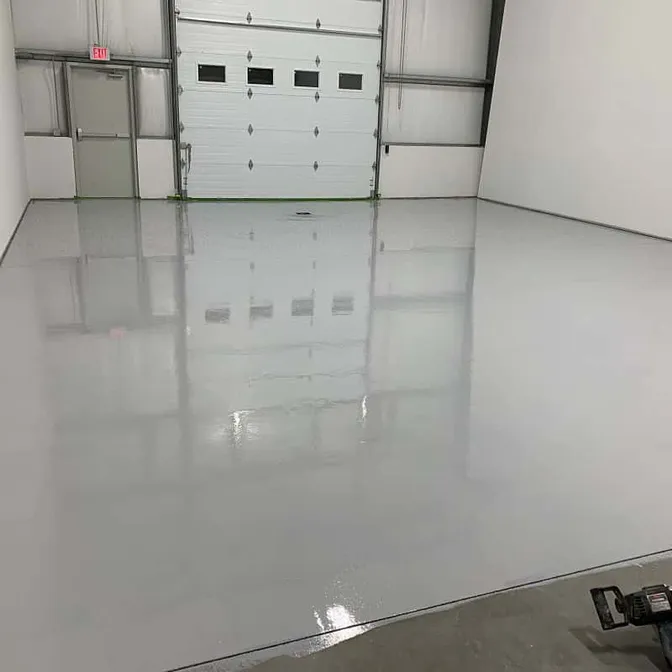
Epoxy Mortar
Maximum build for shop floors, service bays, and light industrial spaces that take vehicle loads and chemical spills on a daily basis.
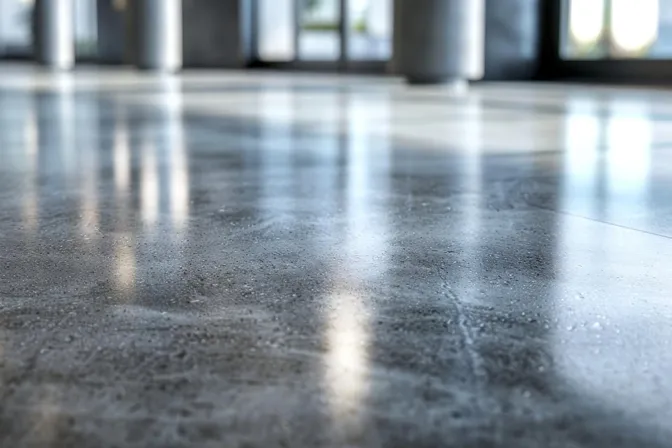
Polished Concrete
Clean, low-maintenance option for Route 533 retail and commercial spaces with sound slabs and manageable moisture.
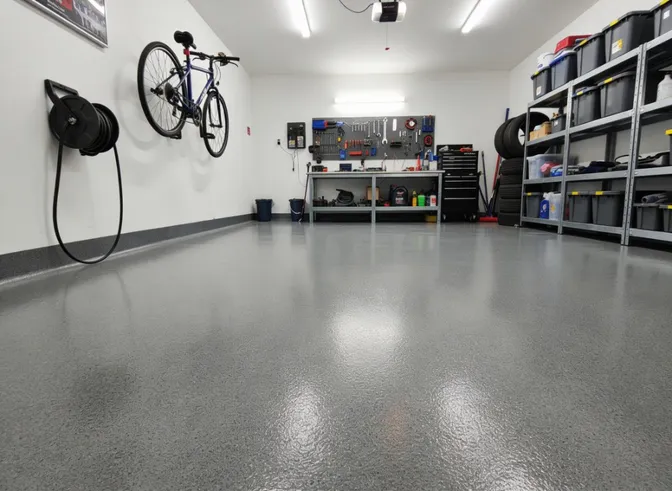
Color Quartz
Slip-resistant and chemical-cleanable. Common in auto service areas, small commercial kitchens, and Route 533 service businesses.
Your floor backed for life. In Writing. If the coating bond ever fails, peels, or delaminates, we come back and make it right: materials and labor, at no cost to you.
Frequently Asked Questions
Can an industrial floor be coated if the slab has flooded before?
Yes, but the prep requirements are more involved than a dry slab. Flood-saturated industrial concrete needs aggressive surface grinding to remove the weakened layer, moisture testing to determine vapor pressure, and a vapor-mitigation primer before any industrial system is applied. We have coated industrial slabs in Somerset County with flood history and the critical step is always addressing the moisture before the system goes on.
What is the difference between epoxy mortar and standard industrial epoxy?
Epoxy mortar is a thick-build system filled with aggregate - typically 1/4 inch or more of total thickness - designed for floors that take heavy impact, point loads from forklift wheels, and serious mechanical abuse. Standard industrial epoxy is thinner and suitable for moderate traffic. The choice depends on your traffic patterns, load weights, and how aggressive the operating environment is. We specify based on what we see in the facility assessment.
How do you phase an industrial install to keep production running?
We map the floor into zones based on your production layout and traffic flow, then sequence the install to take down one zone at a time while the others remain accessible. The schedule aligns with your shift structure - we can work nights and weekends for facilities that run Monday through Friday. The detailed phasing plan is part of the written scope we deliver before work begins.
Our floor has years of oil contamination. Can it be coated?
In most cases, yes. Oil-contaminated concrete requires aggressive mechanical grinding to remove the contaminated surface layer, followed by chemical degreasing to address residual penetration, followed by a bond test to confirm adhesion before the primer coat is applied. We do not skip this sequence on contaminated industrial floors because oil contamination is the most common cause of industrial coating failure we see.
Do you work in facilities that cannot fully shut down?
Yes. We have experience phasing industrial installs in active facilities throughout Somerset County. The key is a realistic phasing plan developed before the job starts, cure-zone barriers that are clearly marked, and honest communication about when each area is ready to take traffic. We deliver that plan in writing as part of the estimate.
What is the maintenance requirement for an industrial epoxy floor?
Standard maintenance is sweeping and periodic mopping with a pH-neutral cleaner. For chemical-resistant systems, avoid strong solvents unless they are within the system's rated chemical resistance. We provide a written maintenance guide at the end of every job. Properly maintained industrial floors installed over correctly prepped concrete can last 10 to 20 or more years under normal operating conditions.
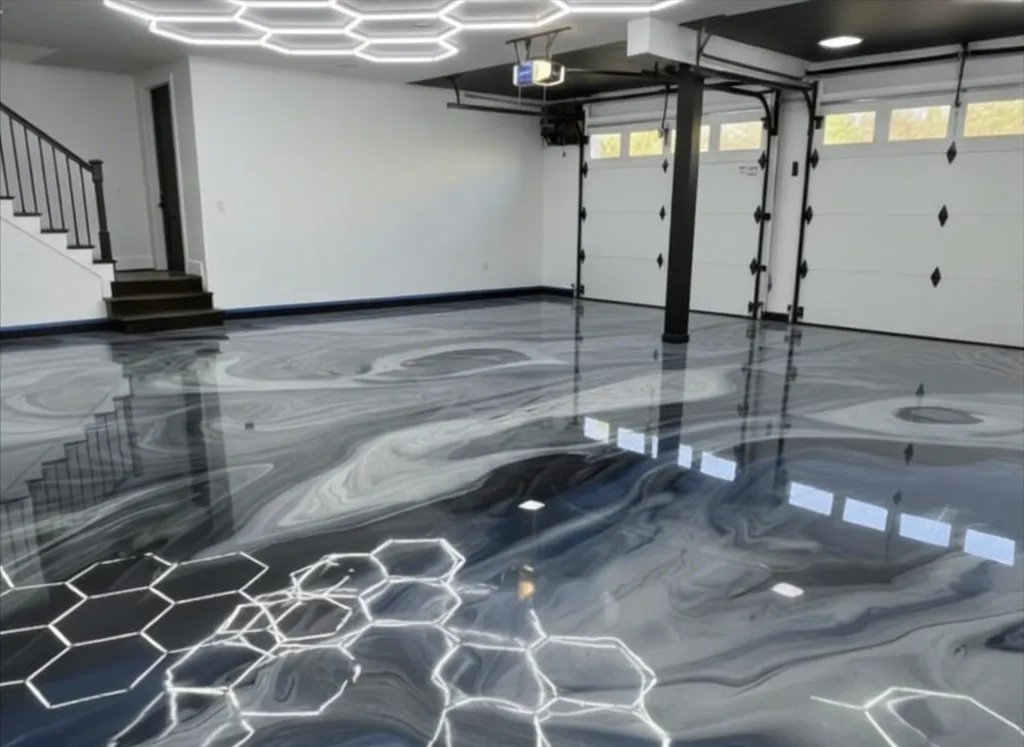
Keep your facility running and get the floor right
We will assess your slab, test for moisture and contamination, and give you a written quote with a phased install timeline. Industrial floors in Manville require a system built for the actual conditions, and we start there.
Get a quote