Epoxy Flooring in Princeton, NJ
Princeton homes sit on some of the oldest concrete in Mercer County. Victorian and colonial-era slabs with no vapor barriers, detached garages that predate the modern driveway, basements that were never meant to be finished spaces. We understand what those floors need before any coating goes down.
Services
Princeton work splits between historic residential floors that need careful prep and commercial floors on Nassau Street or the Route 1 corridor. The same crew handles both, and the prep standards do not change.
Browse all services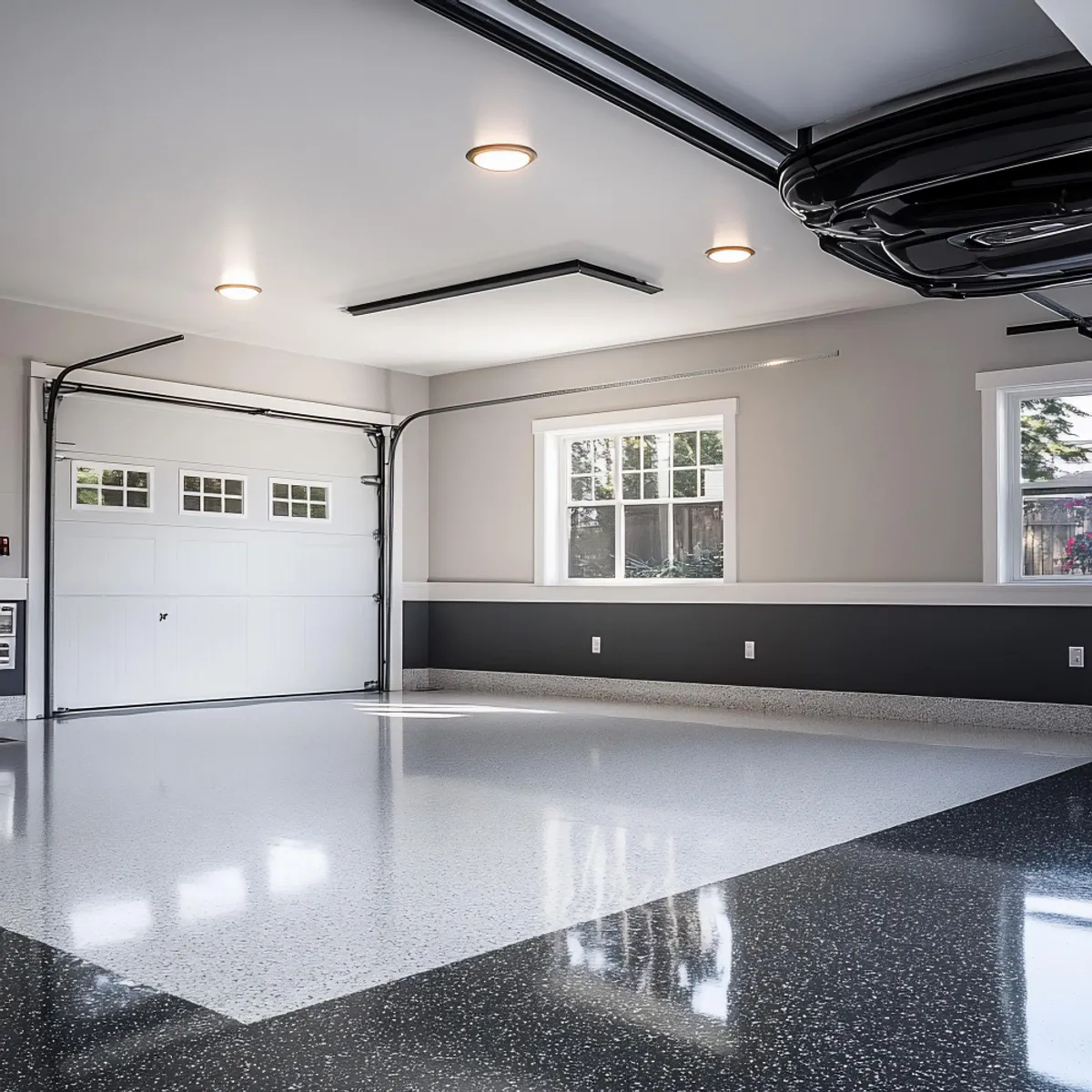
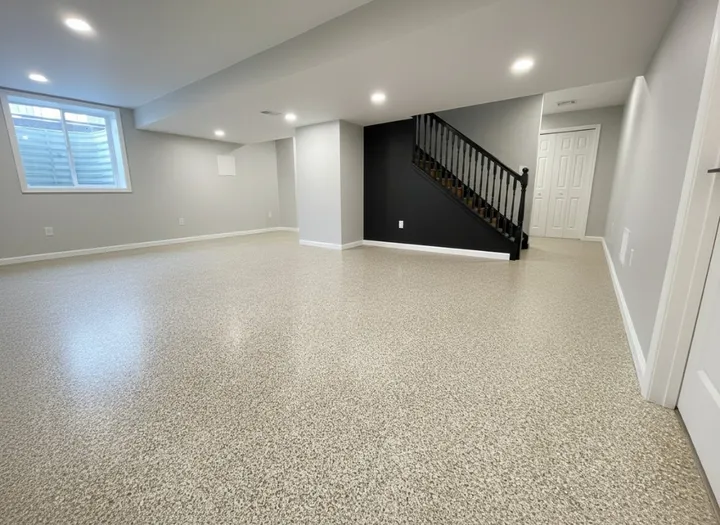
Residential Flooring
Old slabs, carriage house garages, basement conversions in Victorian homes. We test before we coat and build the system around what the concrete is actually doing.
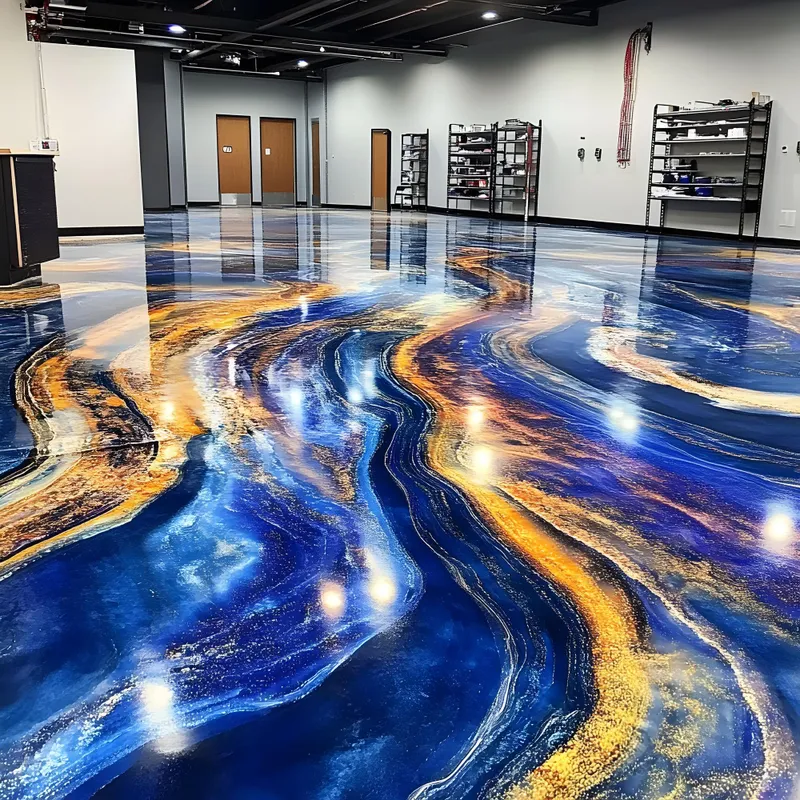
Commercial Flooring
Nassau Street storefronts with century-old buildings, university facilities on a tight academic calendar, medical offices that need seamless sanitary surfaces. We schedule around your business.
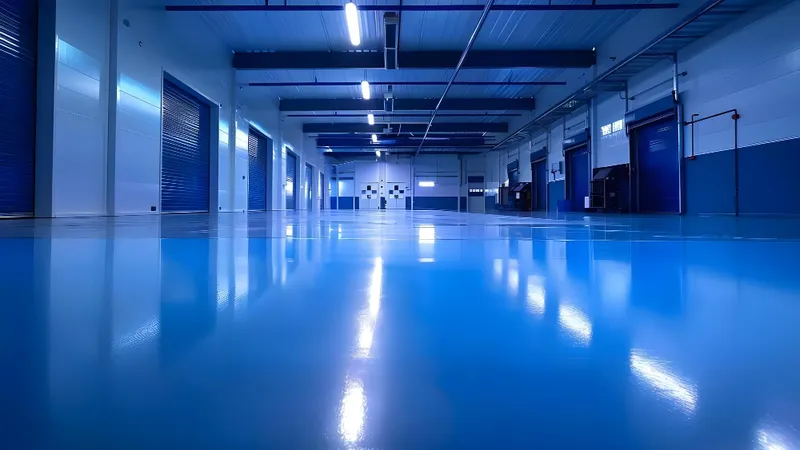
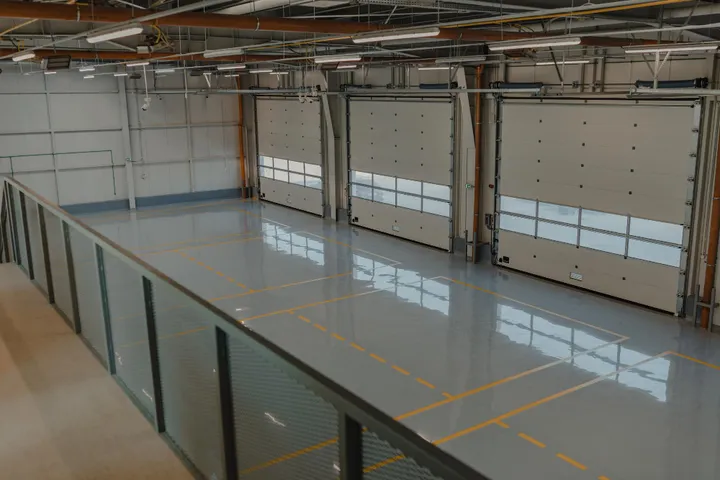
Industrial Flooring
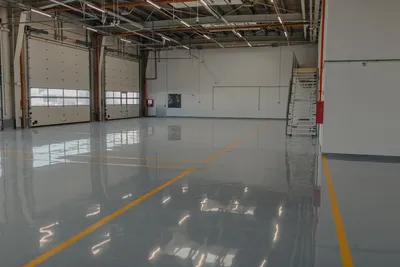
Biotech and pharma on the Route 1 corridor with chemical-resistance and regulatory requirements. We spec the system to your actual use, not a generic industrial formula.
Why choose JC Epoxy?
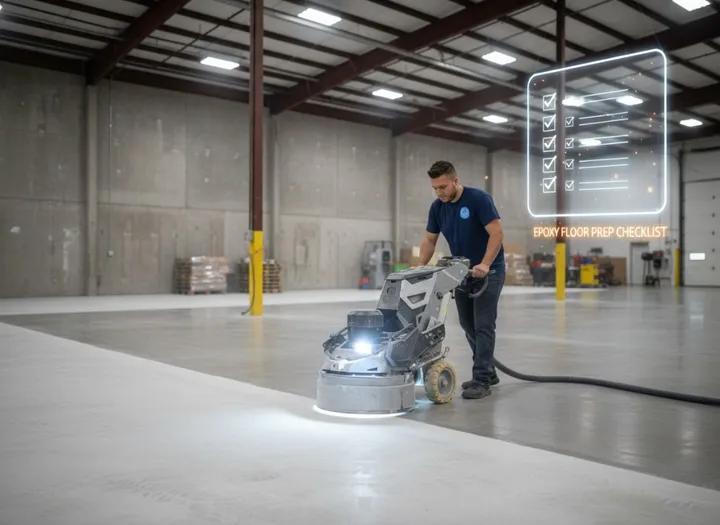
We have coated old basement slabs in Western Section colonials where the moisture was pushing through concrete poured before World War II. We have worked on carriage house garages near Nassau Street where the original slab had settled an inch and a half over seventy years. We have done restaurant-kitchen floors on Nassau Street through a thirty-inch service door. Old concrete in historic buildings is not a surprise to us, it is most of what we do in Princeton.
We do not quote from the street. For anything beyond a straightforward garage, we come out, test moisture, assess the slab, and give you a written scope that accounts for what we actually find. Princeton's building stock rewards that approach: the homes and commercial buildings here have history, and the concrete does too. We build the system around it rather than hoping a generic coating will stick.
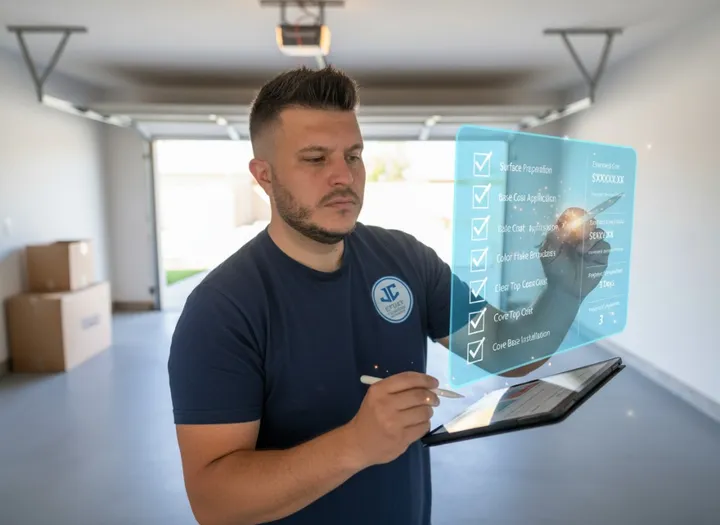
How we work
Neighborhoods we serve
Princeton's neighborhoods have different building eras and different concrete problems. Here is what we run into most often in each one.
Large colonial, Tudor, and brick estates on wooded lots west of Nassau Street. Common work: detached garage coatings, basement conversions used as home offices, patio resurfacing on older bluestone surrounds.
Historic neighborhood with some of the oldest residential concrete in Princeton. Common work: thin old slabs needing careful crack repair and moisture mitigation, interior floor coatings in renovated row homes.
Mid-century colonial and cape homes on quieter streets. Common work: two-car garage flake systems, finished basement floors, patio resurfacing.
Townhouse and condominium community off Route 1. Common work: attached garage floor coatings, shared-entry concrete, HOA-coordinated multi-unit work.
Mix of residential and converted-use buildings near the graduate college area. Common work: basement floor coatings in rental and faculty housing, small commercial kitchen prep.
Homes near the Millstone River with elevated groundwater. Common work: moisture-mitigated basement systems, interior floor coatings rated for below-grade vapor.
Epoxy & concrete coating systems
Professional floor coating systems: flake, metallic, quartz, polished concrete, urethane cement, and epoxy mortar for any environment.
View all coating options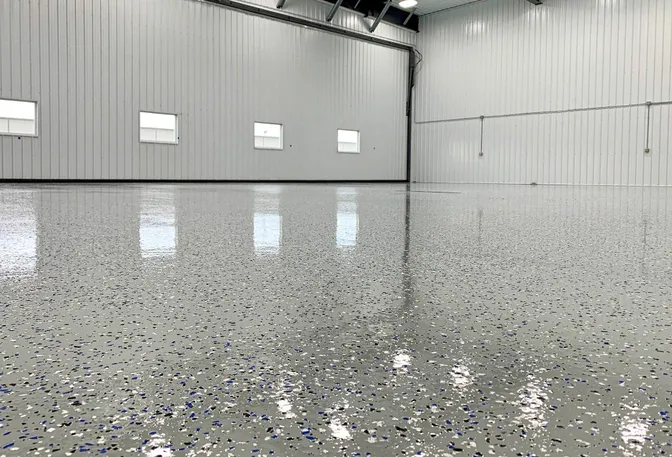
Flake System
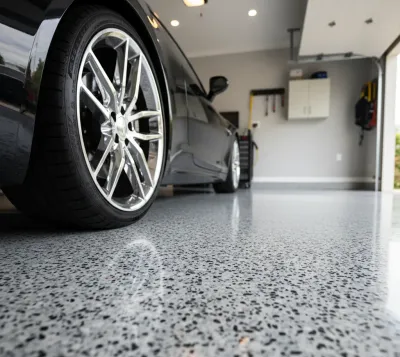
Popular in Princeton garages where old slabs and Mercer County winters demand a forgiving, durable finish that hides imperfections and cleans up easily.
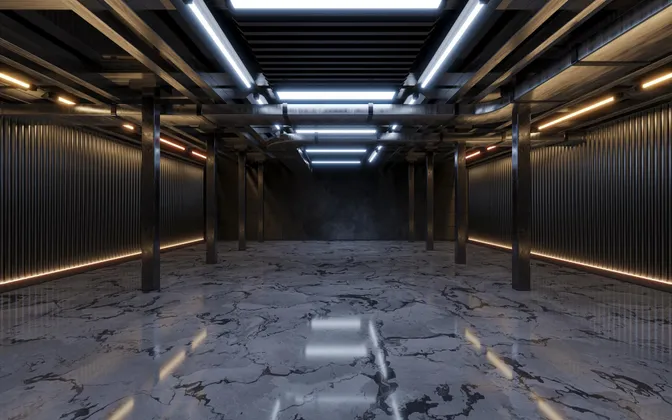
Metallic Epoxy
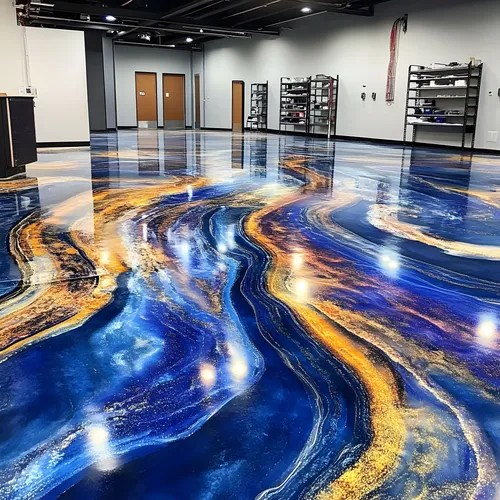
Common in finished basements repurposed as home offices or studio spaces near the university. Seamless, moisture-resistant, and visually distinct.
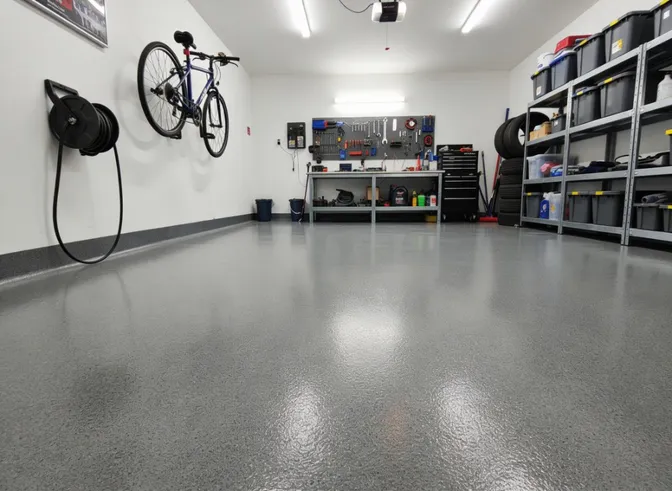
Color Quartz
Slip-resistant and sanitizable. Used in Princeton-area medical offices, restaurant kitchens, and university lab prep areas.
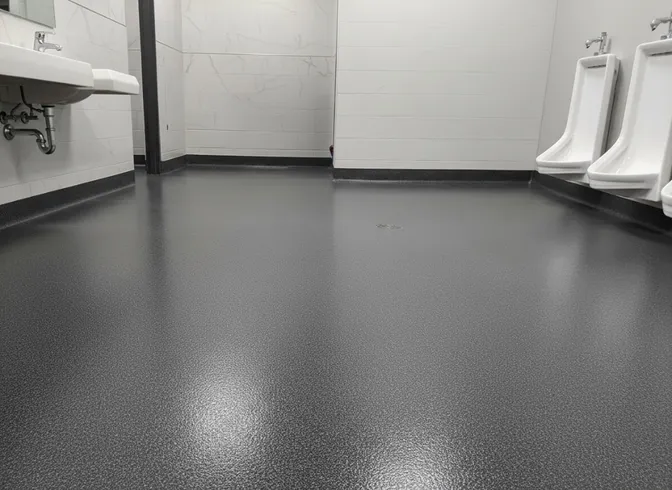
Urethane Cement
Thermal shock resistance and heavy chemical resistance for commercial kitchens and pharma-adjacent facilities on the Route 1 corridor.
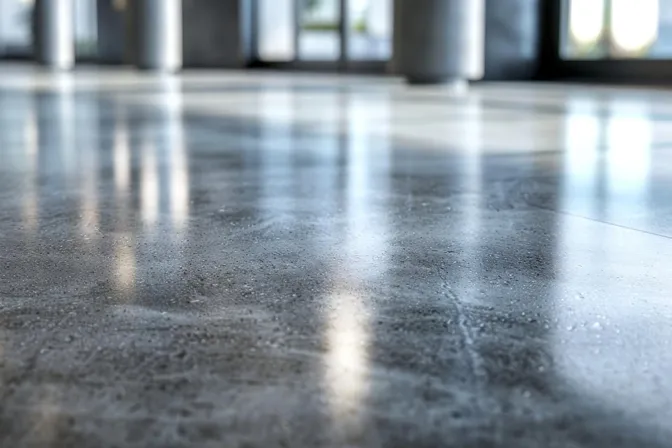
Polished Concrete
A natural fit for modern renovations inside historic Nassau Street buildings and for open-plan faculty housing that wants the original slab visible.
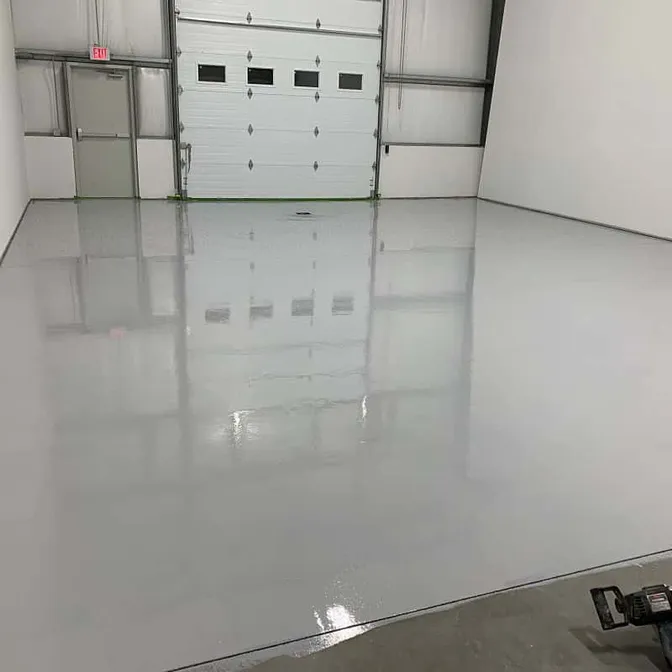
Epoxy Mortar
Thickest build for warehouse and distribution floors on the Route 1 corridor that handle forklift traffic and heavy rolling loads.
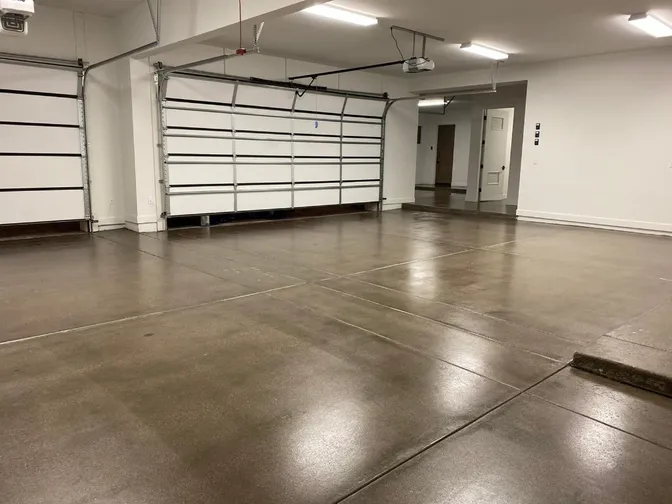
Grind & Seal
Good option for older Princeton slabs where you want to preserve the character of the original concrete without hiding it under a full coating system.
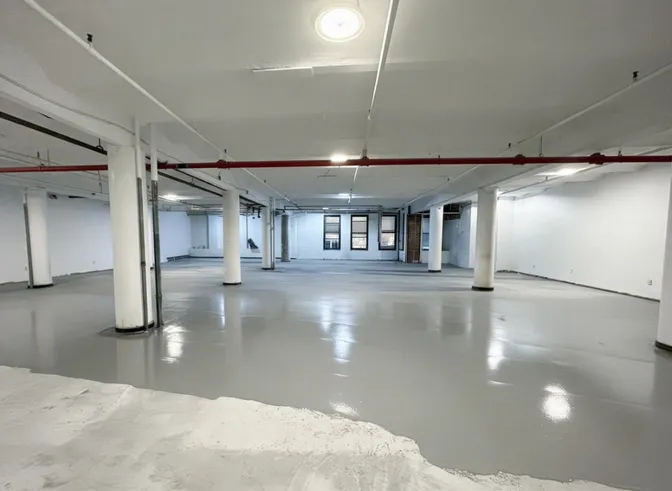
Self-Leveling Concrete
Corrects uneven slabs in older Princeton homes and commercial buildouts where settlement and patchwork have created inconsistent surfaces.
Transparency at Every Step
Follow our journey on Instagram to see real floors, real projects, and real results.


Frequently Asked Questions
Do you work in historic buildings with limited equipment access?
Yes. Nassau Street storefronts and century-old homes often have tight corridors and low clearances. We plan access before the job and use compact grinding equipment when needed so we can still achieve proper surface profile.
How do you handle old Princeton basement slabs that push moisture?
We test first with a moisture vapor emission test. If levels are elevated, we use a moisture-mitigation primer rated for high vapor transmission before any coating goes down. Skipping this step is why old-home basement coatings fail.
Can you coat a basement in a Victorian-era home?
Often yes, but we assess the slab condition and moisture carefully first. Very old slabs may need crack repair and leveling as well. We give you a clear picture of what is needed before you commit to a project.
Do you work with Princeton University facilities or campus buildings?
Yes. We coordinate with facility managers on access, scheduling, and safety requirements. Campus dining halls, training rooms, and maintenance facilities all have different use cases and we spec the right system for each.
What flooring systems work for biotech or pharma facilities on Route 1?
Chemical-resistant epoxy and urethane cement systems are standard for lab and pharma environments. For rooms with ESD requirements we can spec static-control additives. We walk through regulatory requirements during the site visit.
How soon can the space be used after coating?
Most residential projects allow light foot traffic the next day and vehicle or furniture return within 48 to 72 hours. Commercial and lab environments depend on the system and use requirements. We give you exact return times before we start.
Nearby Service Areas
Ready to transform your floor?
We make epoxy floor projects straightforward. Free estimate, clear timeline, quality results.
Get a quote