Industrial Epoxy Flooring in Princeton
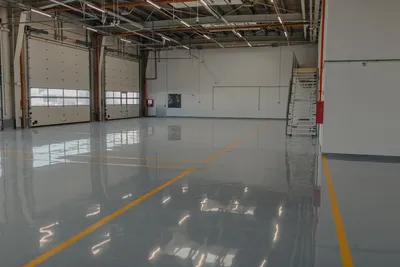
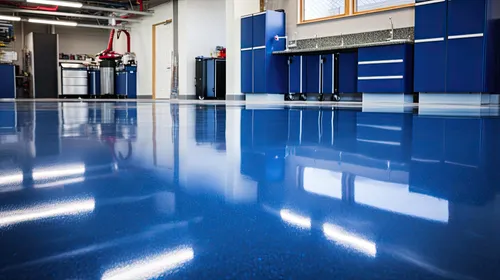
The Route 1 corridor through the Princeton area is home to biotech, pharmaceutical, and precision manufacturing facilities that have flooring requirements far beyond standard industrial coating. Chemical resistance, static control, validated surfaces, cleanroom compatibility. We spec systems for what those environments actually demand, not a generic industrial formula applied to every square foot regardless of use.
Why Princeton-area industrial facilities choose us
Biotech and pharma facilities on and around the Route 1 corridor in the Princeton area have floors that interact with regulated processes. A standard epoxy that works in a warehouse is not appropriate for a room where chemical spills happen, where static discharge is a risk to equipment or product, or where the floor itself may need to be validated as part of an ISO-compliant environment. We understand these distinctions and spec the right system for the actual use.
For facilities that operate around the clock or on production schedules, the installation plan matters as much as the coating itself. We phase installs to keep critical areas in service, coordinate with your facilities team on cure windows and return-to-service timing, and document the work in a format that supports your internal records if your process requires it.
Our industrial process in the Princeton area
Our Princeton industrial services
Biotech, pharma, precision manufacturing, and Route 1 distribution. Each has a different set of chemical, load, and regulatory requirements. We spec for all of them.
Browse all industrial services
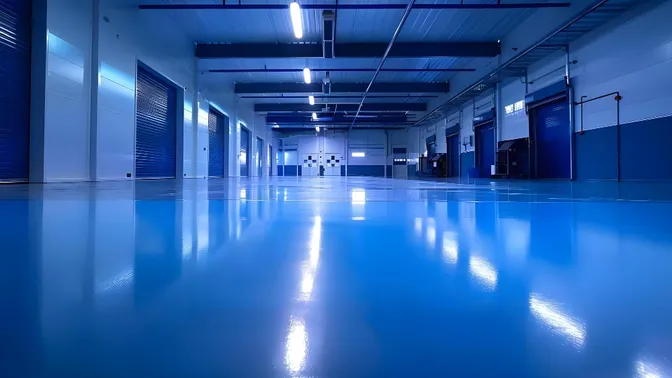
Warehouse
Epoxy flooring for warehouses. Forklift-resistant, chemical-resistant, and built for heavy use.
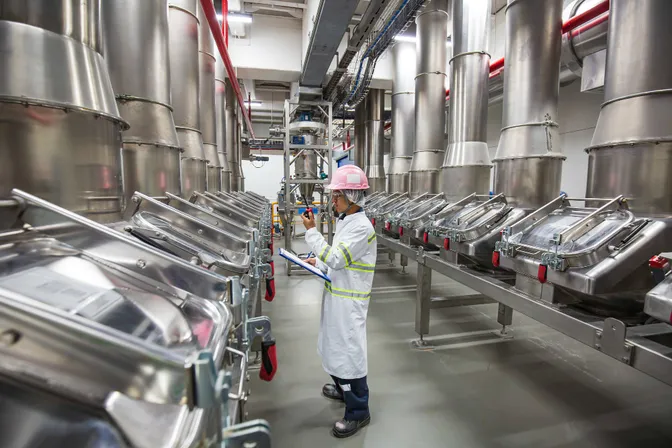
Factory
Epoxy for factories and manufacturing. Chemical and impact resistant, durable under heavy equipment.
Food Processing
Food-grade epoxy for processing facilities. FDA-compliant, slip-resistant, easy to clean.
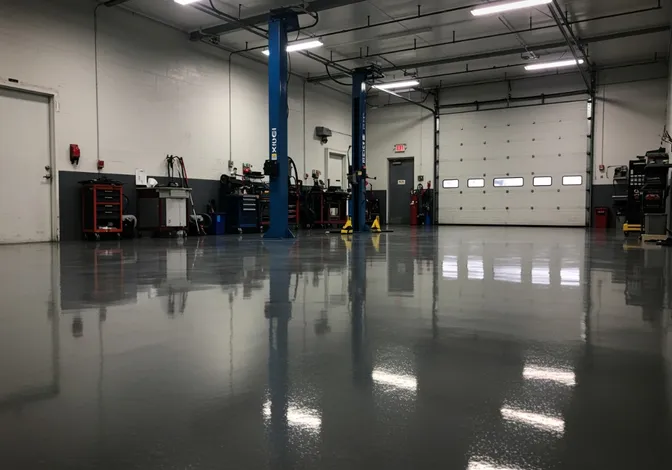
Auto & Mechanical Shop
Epoxy for auto shops and mechanical shops. Oil and chemical resistant, durable under lifts and equipment.
What Princeton industrial operations get
Key Benefits
- Chemical-resistant systems rated for pharma and biotech exposures
- ESD and static-dissipative floors for sensitive manufacturing
- Phased installs that keep production areas in service
- Low-VOC system options for cleanroom-adjacent environments
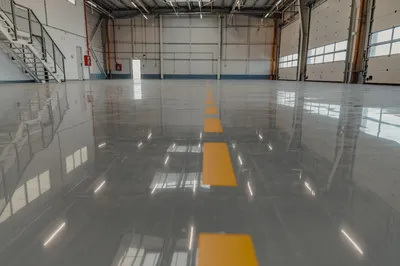
- Aisle striping and safety markings available
- Written installation records available for regulated facilities
Ideal For
Biotech, pharmaceutical, and precision manufacturing facilities in the Princeton area and along the Route 1 corridor. Also relevant for university research facilities, light manufacturing, and distribution operations that need industrial-grade flooring.
What to Expect
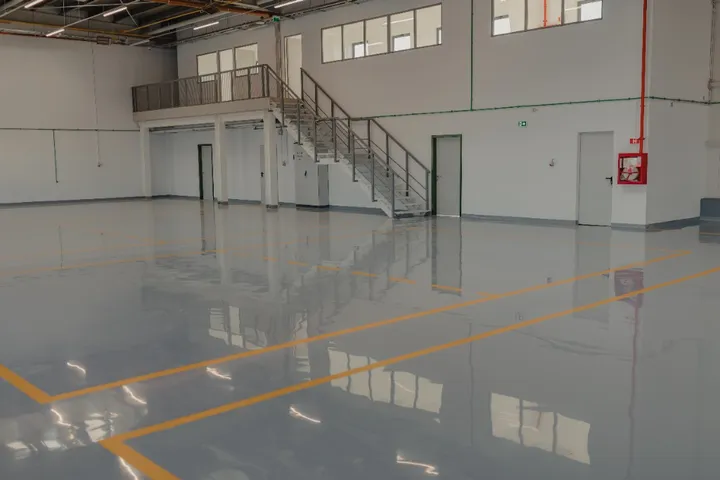
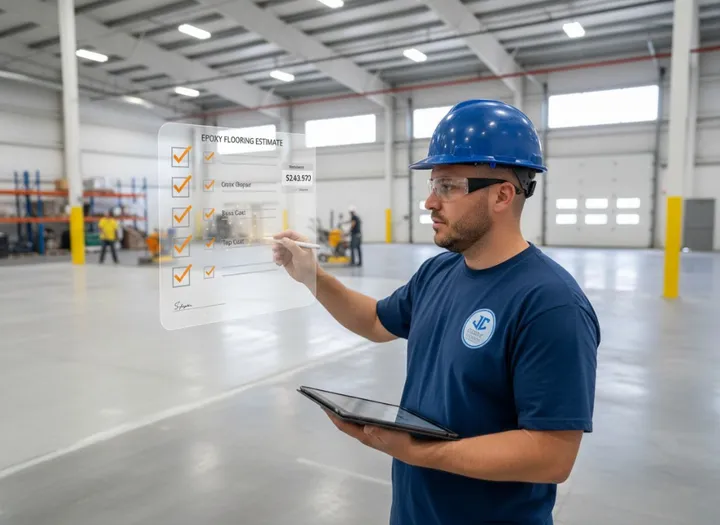
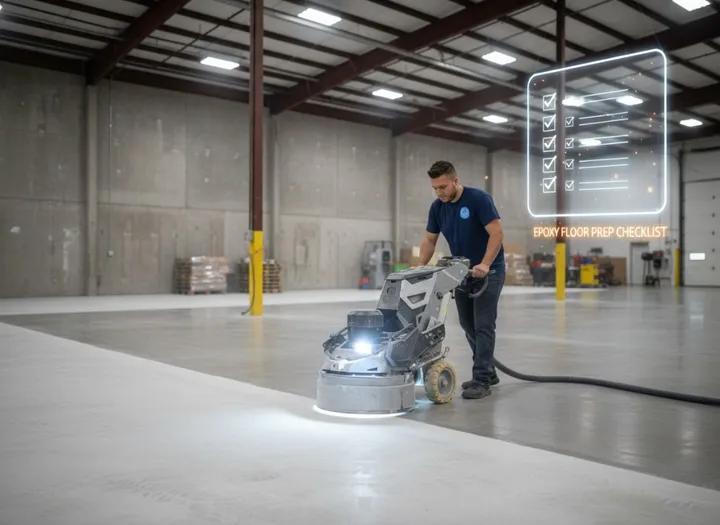
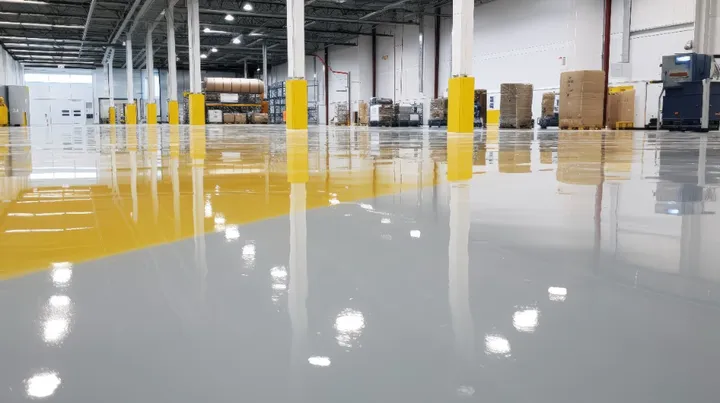
We start with a facility walk focused on real use. You get a written scope before any work. Installs are phased to keep critical areas running. We hand off with zone-by-zone return times and, when needed, documentation of the installation process.
Industrial Floor Coating Options
Epoxy mortar, urethane cement, polished concrete, and high-build epoxy. We select the system that fits your warehouse, factory, or food processing floor for heavy traffic and chemical resistance.
View all coating options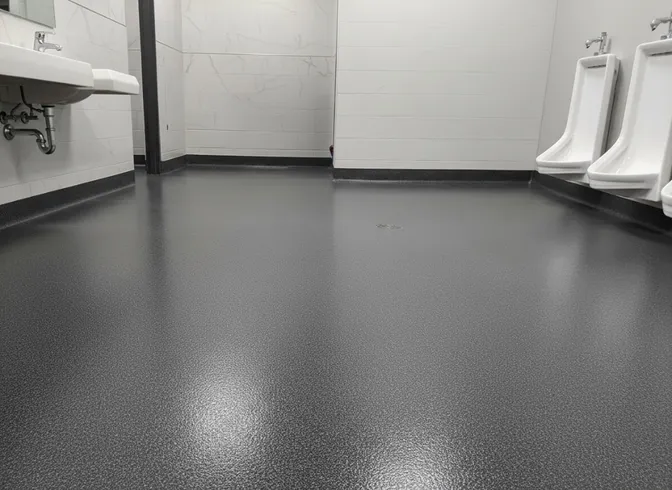
Urethane Cement
Thermal shock resistance and heavy chemical resistance for commercial kitchens and pharma-adjacent facilities on the Route 1 corridor.
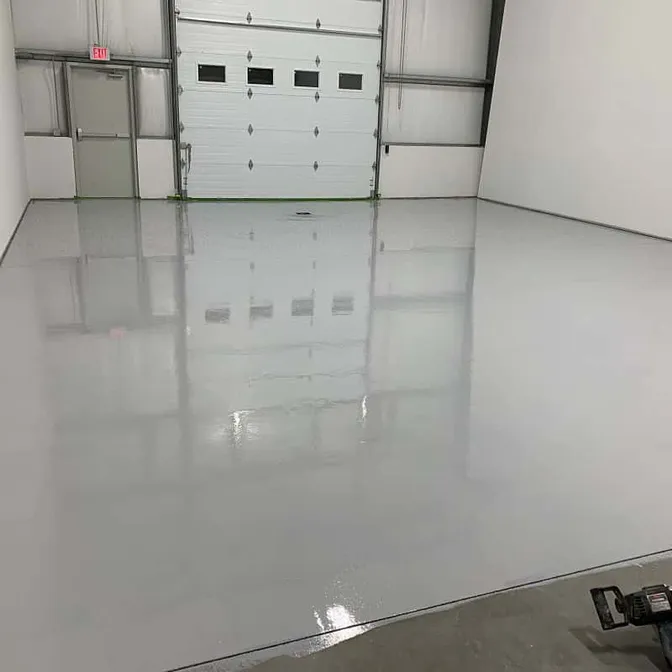
Epoxy Mortar
Thickest build for warehouse and distribution floors on the Route 1 corridor that handle forklift traffic and heavy rolling loads.
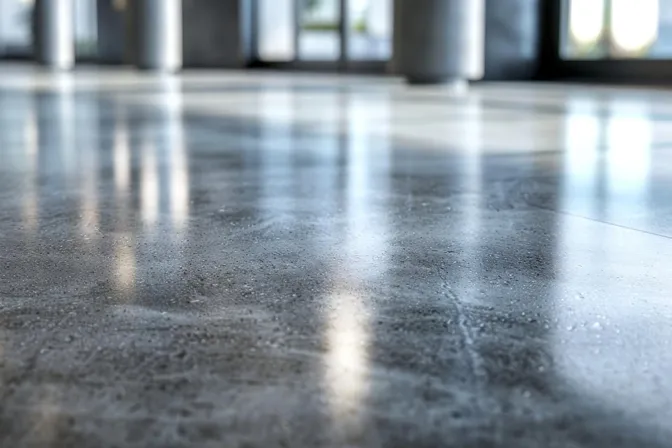
Polished Concrete
A natural fit for modern renovations inside historic Nassau Street buildings and for open-plan faculty housing that wants the original slab visible.
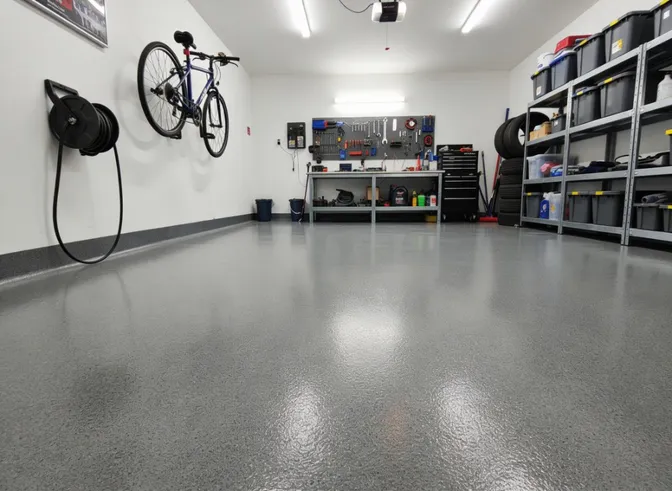
Color Quartz
Slip-resistant and sanitizable. Used in Princeton-area medical offices, restaurant kitchens, and university lab prep areas.
Your floor backed for life. In Writing. If the coating bond ever fails, peels, or delaminates, we come back and make it right: materials and labor, at no cost to you.
Frequently Asked Questions
Can you install ESD floors for electronics or precision manufacturing?
Yes. We install conductive and static-dissipative epoxy systems with grounding grids. We test resistance to ESD target ranges after installation.
What systems do you use for pharma-grade chemical resistance?
Urethane cement and novolac epoxy systems are common for high-chemical-exposure environments. The right choice depends on your specific chemicals and temperature swings. We evaluate this during the site visit.
Can you work around a production schedule that cannot shut down completely?
Yes. We phase the install, section the floor into zones, and hand off each zone with a specific return-to-service time. Critical aisles and active production areas are handled last or during planned downtime windows.
Do you provide installation documentation for ISO or regulatory compliance?
We can provide written records of the installation including materials used, surface preparation methods, and application conditions. Contact us to discuss what your specific documentation requirements are.
Can you install floors in university research labs or facilities?
Yes. We coordinate with university facilities management on access, safety protocols, and scheduling. Lab environments have specific prep and product requirements that we address during the site visit.
What about aisle striping and safety markings?
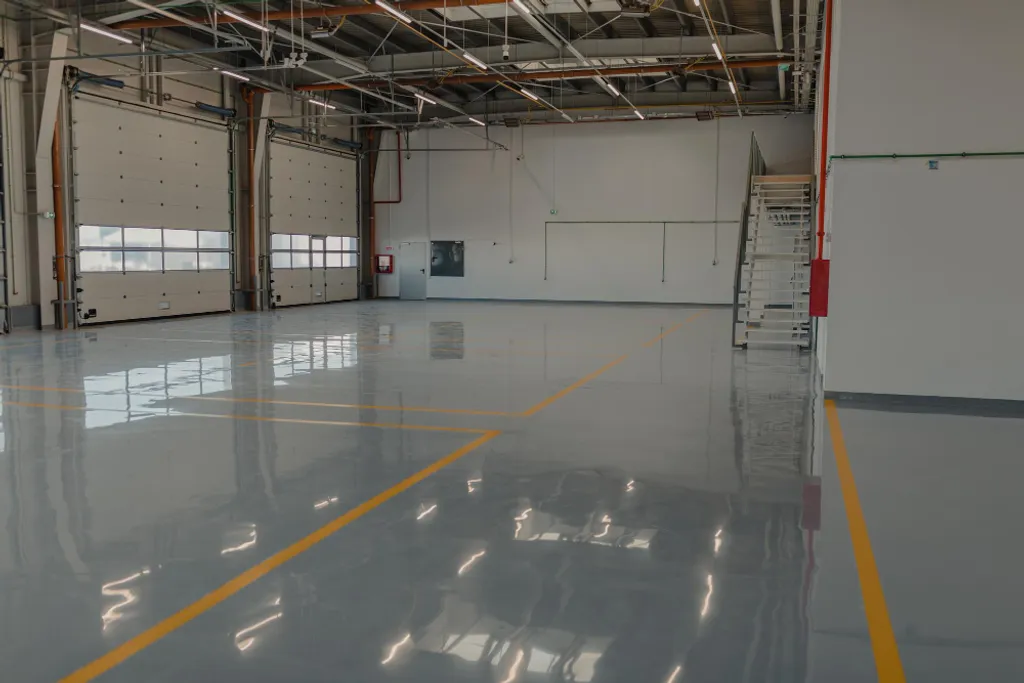
Yes, included in the scope when requested. We do layout and striping as part of the topcoat phase so markings are integrated into the floor system, not painted on top of a cured surface.
Get a quote for your Princeton industrial floor
Tell us about your facility, chemicals, and scheduling constraints. We will visit and provide a written industrial quote before any work begins.
Get a quote