Food Processing Floor Coatings in Princeton, NJ
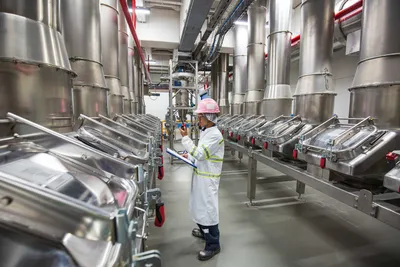
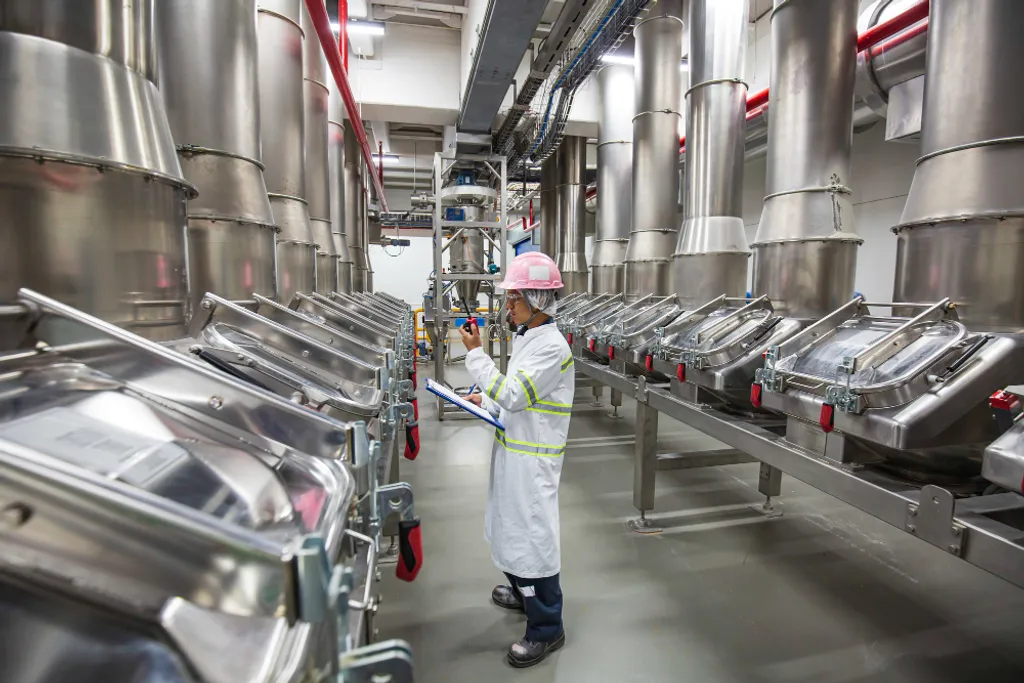
Commercial food production facilities in the Princeton area, including large catering operations, university food service prep kitchens, and specialty food manufacturers, require flooring that meets FDA and health code standards for food-contact environments. That means seamless monolithic systems, thermal shock resistance, chemical resistance to food-grade sanitizers, and proper slope to drain.
What Food Processing Floors in Princeton Require
Food production environments have strict performance and hygiene requirements that shape every system decision.
Walk-in cooler runoff, steam cleaning, and hot water from production equipment create thermal swings that crack rigid epoxy. Urethane cement absorbs this movement without delaminating.
Food production floors must drain standing water during production and cleaning. We assess existing slope and discuss corrective action if the floor does not drain to the required spec.
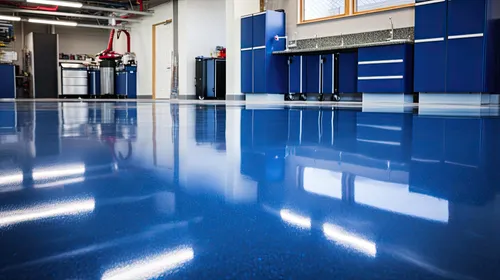
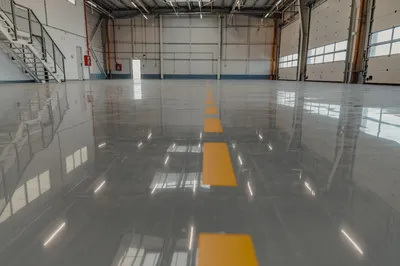
Grout lines and seams collect food waste and bacteria. Our monolithic systems eliminate seams at the floor surface and at the wall transition when coved base is installed.
Some Princeton area facilities require floor systems from materials with specific food-safety certifications. We discuss certification requirements during the estimate and specify accordingly.
Food-grade sanitizers including chlorine compounds, quaternary ammonium, and peracetic acid are harder on coatings than standard cleaning products. We select systems with documented resistance to your sanitizer program.
Food-Grade Flooring for Princeton Area Production Facilities
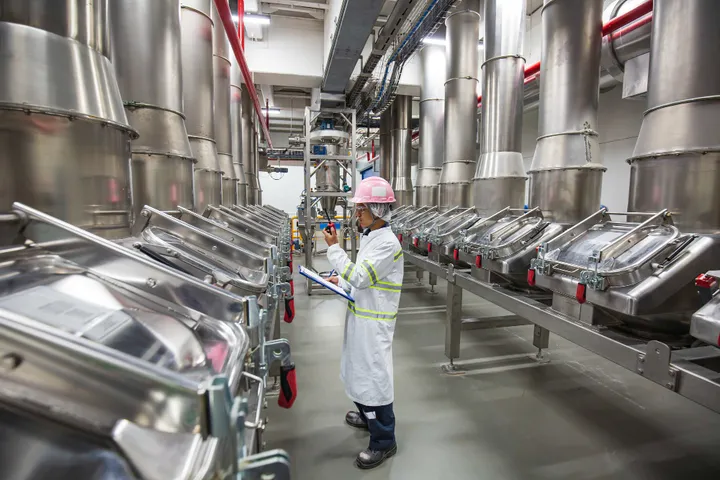
Princeton University and the institutions that serve it generate significant food service volume. Central production kitchens, commissary operations, and large-scale catering prep facilities deal with the full range of food-grade floor stresses: boiling water, steam cleaning, refrigeration condensate, acidic food waste, and alkaline sanitizers. A standard epoxy system fails in this environment within one to three years because it cannot handle the thermal cycling.
We install urethane cement systems for food processing and institutional kitchen environments. Urethane cement handles the combination of thermal shock and chemical exposure that these facilities experience. It bonds to slightly damp or chemically contaminated concrete better than standard epoxy, which matters in environments where the floor cannot be perfectly dry before coating. And it is rated for continuous wet service, which most food production floors experience for large parts of every shift.
For facilities with FDA compliance requirements or third-party food safety audits, we can discuss the system's certifications and provide written documentation of the installation. The floor is a component of the facility's audit readiness, and we treat it as such.
Every project follows the same proven steps, from free estimate to final walkthrough.
Your floor backed for life. In Writing. If the coating bond ever fails, peels, or delaminates, we come back and make it right: materials and labor, at no cost to you.
What Princeton Food Facilities Get
Key Benefits
- Urethane cement systems rated for thermal shock and continuous wet service
- Seamless, grout-free installation including coved base when specified
- Documented resistance to food-grade sanitizers
- Slope-to-drain assessment and remediation included in scope as needed
- Written installation documentation available for food safety audits
Ideal For
Food production facilities, institutional kitchens, university commissary operations, commercial catering prep kitchens, and specialty food manufacturers in the Princeton area and Mercer County.
What to Expect
We assess the facility, review your sanitizer program and thermal conditions, and provide a written scope with system spec. Installation is scheduled around your production calendar. The floor is ready for sanitizing and use within the agreed return window.
Princeton Food Processing Floor FAQ
Why do you recommend urethane cement instead of epoxy for food processing floors?
Thermal shock from steam cleaning and cold room condensate cracks standard epoxy within one to three years in food processing environments. Urethane cement has built-in flexibility that handles these temperature swings, and it resists the alkaline and acidic cleaners used in food service.
Can the floor be installed in sections without shutting the entire facility?
Yes. We phase the install around your production schedule, keeping active prep areas and refrigerated storage accessible. Each zone gets a specific return-to-service time.
Will the floor slope to the drain after coating?
Our coating systems follow the existing concrete grade. If the current floor does not drain adequately, we discuss a self-leveling underlayment with built-in slope before the urethane cement system goes down.
Do your systems have FDA or food safety certifications?
Some of the systems we use have third-party food-safety certifications. We discuss specific requirements during the estimate and identify the system that meets your facility's audit standard.
How long does a urethane cement floor last in a food production facility?
Properly installed urethane cement systems last 15 to 25 years in food processing environments with routine maintenance. The combination of chemical resistance and thermal tolerance makes them significantly more durable than standard epoxy in these conditions.
Can you coat a floor that has had years of fat and grease exposure?
Yes, but we have to address the contamination first. We use industrial degreasers and aggressive grinding to remove oil and fat penetration from the pore structure. Urethane cement has better tolerance for residual contamination than standard epoxy, which also helps.
Get a quote for your Princeton food production floor
Tell us about your facility, sanitizer program, and production schedule. We will plan a visit and give you a written industrial scope.
Call Us: (908) 916-3535