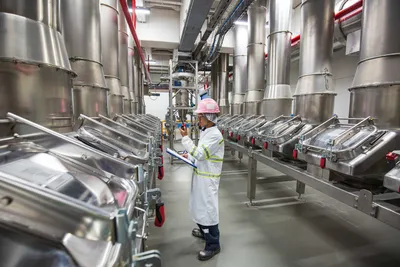
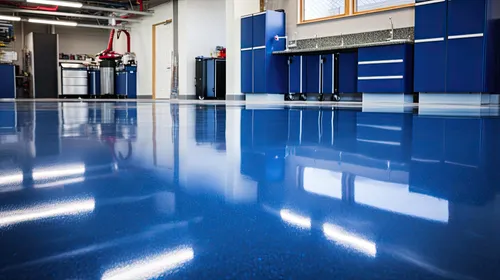
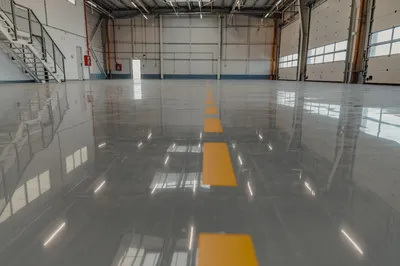
Food Processing Epoxy Flooring
Food-grade epoxy for processing and production. FDA-compliant, slip-resistant, and easy to sanitize.
Food Processing Floor Systems
Standard epoxy is not accepted in most food-processing environments. These systems meet the standard.
View all coating options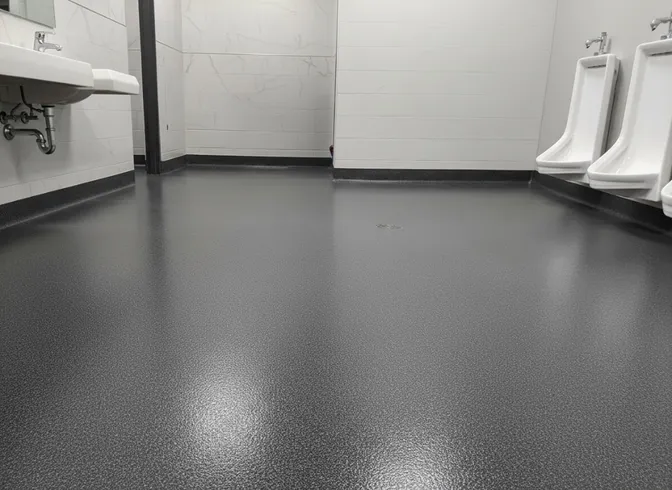
Urethane Cement
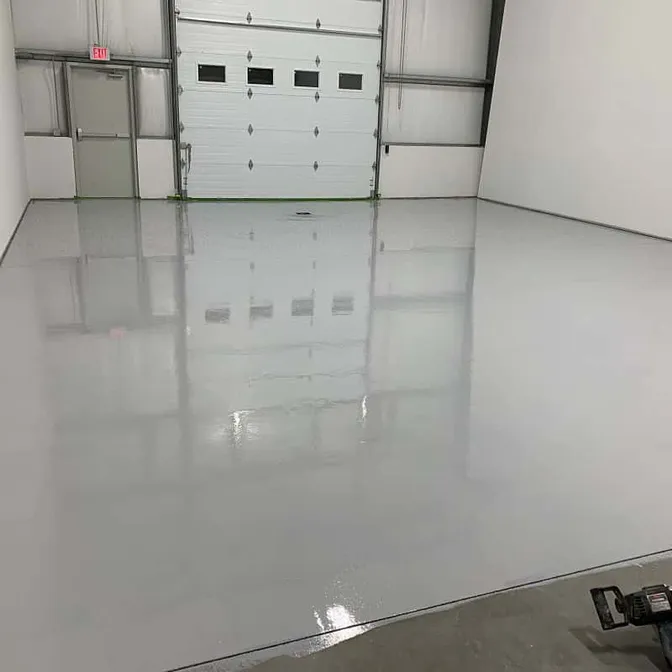
The industry standard for food and beverage facilities. USDA-accepted, thermal-shock resistant, and impervious to sanitizers and wash-down chemicals. Seamless with integral cove base. The system auditors want to see.
Epoxy Mortar
Heavy-duty system for processing areas with damaged or uneven slabs. Builds thickness, levels floors, and creates a dense base for topcoating. Often used as a repair layer under urethane cement in severely deteriorated facilities.
What Food Processing Floors Demand
Compliance, sanitation, and safety requirements make food-processing floors the most demanding industrial category. We assess these during your site visit.
Third-party auditors check flooring as part of their assessment. Cracks, grout, and porous surfaces are findings. We install systems that meet USDA acceptance criteria and support SQF, BRC, and FSMA compliance. The system spec is documented for your audit file.
Hot water wash-down at 180°F hitting a cold slab, cold-storage transitions from 35°F to ambient, and steam cleaning create thermal cycling that cracks standard epoxy. Urethane cement handles the full range without delaminating.
Processing lines, wash-down areas, and packaging zones are wet continuously. We broadcast aluminum oxide or quartz for aggressive slip resistance and zone the texture by area. Dry storage gets less texture; processing lines get maximum traction.
The floor-to-wall joint is where water, product, and bacteria collect. Integral cove base eliminates the seam. Slope-to-drain ensures water flows to collection points and does not pond. Both are standard on every food-processing floor we install.
Peracetic acid, chlorinated alkaline cleaners, quaternary ammonium, and caustic wash solutions are common in food processing. Each has a different chemical profile. We match the flooring system to your actual CIP and sanitation chemicals.
Food Processing Floors Where Compliance Is Built In
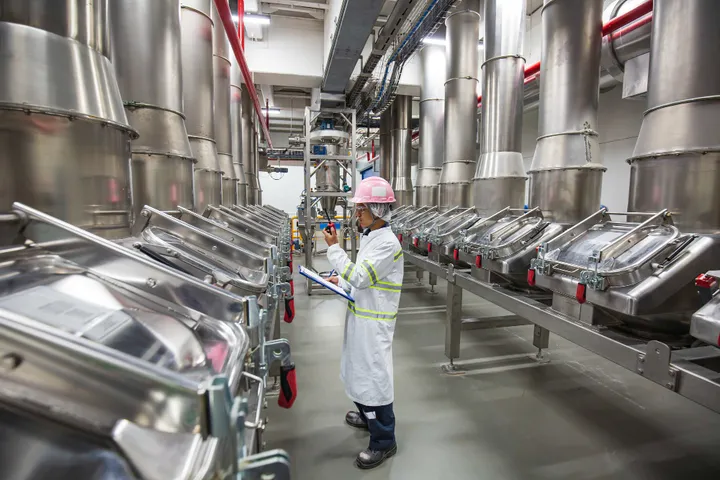
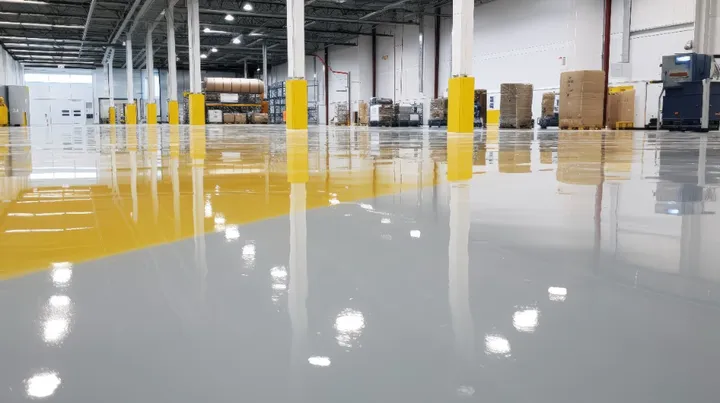
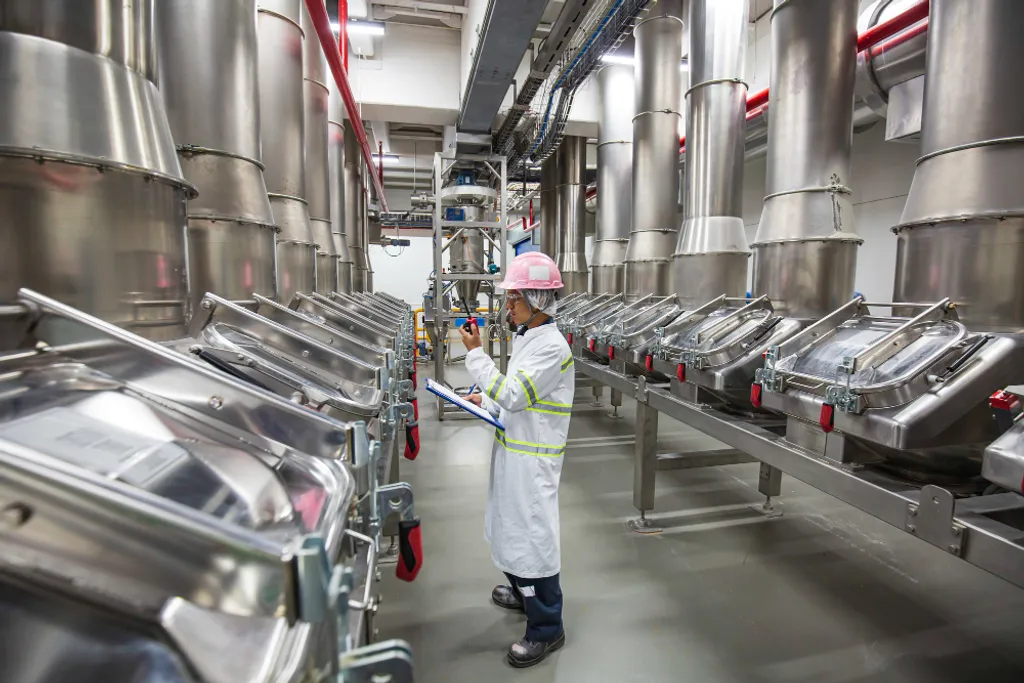
Food and beverage processing floors operate under rules that no other industrial floor has to follow. USDA, FDA, and third-party auditors expect seamless, non-porous surfaces with no cracks, grout, or seams where bacteria can colonize. The floor must survive daily wash-down with hot water and chemical sanitizers, resist thermal shock from steam and cold-storage transitions, and provide slip resistance in zones that are wet all day. Standard industrial epoxy does not meet all of these requirements. Urethane cement and USDA-accepted systems do.
We install food-processing floors across Central NJ. Every project starts with a compliance review: what auditing standards apply, what sanitizers are used, what temperature ranges the floor sees, and where drains need to flow. We spec the system around your regulatory requirements, not around what is cheapest to install.
Installation is phased around production. We coat one zone at a time -processing lines, cold storage, packaging, wash-down areas -so the facility keeps running. Each zone is ready for production within 24 to 48 hours of the final coat. Integral cove base, slope-to-drain, and slip-resistant zoning are built into every food-processing floor we install.
How We Install Food Processing Floors
Your floor backed for life. In Writing. If the coating bond ever fails, peels, or delaminates, we come back and make it right: materials and labor, at no cost to you.
What a Food-Grade Floor Delivers
Key Benefits
- USDA-accepted, seamless, non-porous surface
- Resists thermal shock from wash-down and cold-storage transitions
- Slip-resistant zoning for wet processing areas
- Integral cove base and slope-to-drain built in
- Documented installation for audit compliance
Ideal For
Food and beverage processors, bakeries, breweries, dairy facilities, meat and produce operations, and cold-storage facilities in Central NJ that need floors meeting USDA, FDA, or third-party audit requirements.
What to Expect
A free site visit with compliance review. System specification matched to your audit standards. Written quote with zone-by-zone phasing. Installation coordinated around production. Each zone back in service within 24 to 48 hours. Documentation for your audit file.
Food Processing Epoxy Flooring by City
We install food processing epoxy flooring across Central NJ. Select your city to see local details, photos, and pricing for your area.
Bernards Township
Three-car garages on wooded lots, village basements from the 1800s, and office campuses along Route 202 and I-287
Branchburg
Larger garages on clay-heavy soil, corporate campus floors along Route 202, and the North Branch corridor running through it all
Bridgewater
From salt-damaged garages to warehouse floors along Route 22
Edison
Sixty-year-old concrete, failed DIY kits, and floors that need to be done right this time
Franklin Township
Flood-tested basements, planned communities, and a growing warehouse corridor
Hillsborough
Subdivision garages, clay-soil basements, and Route 206 storefronts
Manville
Slabs that have been underwater, post-war ranches, and concrete the Raritan keeps testing every season
Piscataway
Post-war homes on unpredictable soil and commercial floors along the I-287 corridor
Princeton
From 1920s carriage house garages to Route 1 biotech labs
Somerville
Wet basements, old foundations, and downtown floors that can't close for a day
Warren
Estate-size garages on the Watchung ridge, luxury finished basements, pool decks on sloped wooded lots, and the Route 78 corporate corridor through Martinsville
Other Industrial Flooring
Warehouse
Epoxy flooring for warehouses. Forklift-resistant, chemical-resistant, and built for heavy use.
Learn moreFactory
Epoxy for factories and manufacturing. Chemical and impact resistant, durable under heavy equipment.
Learn moreAuto & Mechanical Shop
Epoxy for auto shops and mechanical shops. Oil and chemical resistant, durable under lifts and equipment.
Learn moreFood Processing Floor FAQ
Is urethane cement really necessary for food processing?
For most food and beverage facilities, yes. Standard epoxy cannot handle the combination of thermal shock, chemical sanitizers, and daily wash-down. Urethane cement is USDA-accepted and designed for exactly these conditions. It costs more upfront but meets the compliance standard auditors expect and lasts under conditions that destroy standard coatings.
Will the floor pass a USDA or SQF audit?
We spec systems that meet USDA acceptance criteria and support SQF, BRC, and FSMA compliance. Seamless surface, integral cove base, proper drainage, and slip-resistant zoning are all part of the installation. We document the system for your audit records.
How do you phase work in an active processing facility?
Zone by zone. We coat one processing line or area while the rest of the facility runs. Each zone has a defined schedule from prep through cure. We coordinate with your production and sanitation teams so there is no cross-contamination risk during installation.
What about cold-storage floors?
Cold storage creates extreme thermal cycling when doors open and warm air hits cold slabs. Urethane cement handles the transition without cracking. We install in cold-storage facilities with proper cure conditions and slip-resistant broadcast for wet condensation zones.
What does food-processing floor coating cost?
USDA-grade systems run $10 to $20 per square foot installed, depending on system type, slab condition, drainage work, and phasing. Urethane cement with integral cove base is at the higher end. We provide a detailed spec and quote after the site visit.
How do we clean the floor after installation?
Use your standard CIP and sanitation protocols. The surface is non-porous and handles hot-water wash-down, chemical sanitizers, and power-washing without degrading. We provide sanitation guidelines matched to your chemical program.
Get a quote for your processing facility floor
We review your facility, audit requirements, and chemical exposure, then provide a system spec and written quote. USDA-accepted systems phased around your production.
Call Us: (908) 916-3535