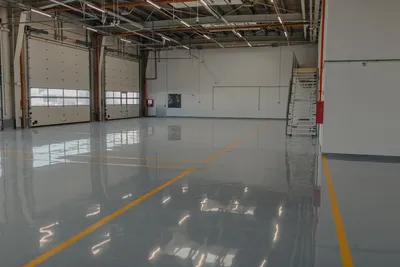
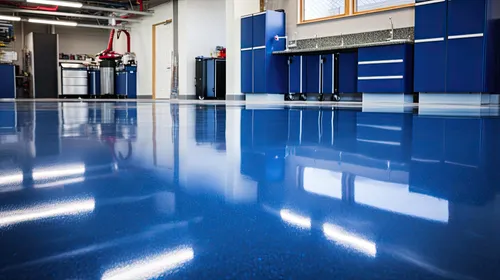
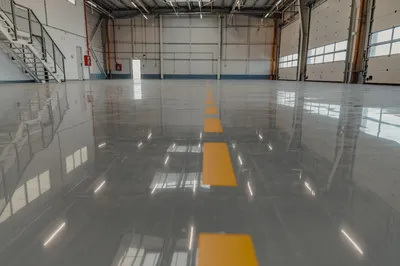
Warehouse Epoxy Flooring
Heavy-duty epoxy for warehouses. Resists forklift traffic, impact, and chemicals. Built for the long haul.
Warehouse Floor System Options
Different systems suit different traffic and chemical loads. We match the system to your operation.
View all coating options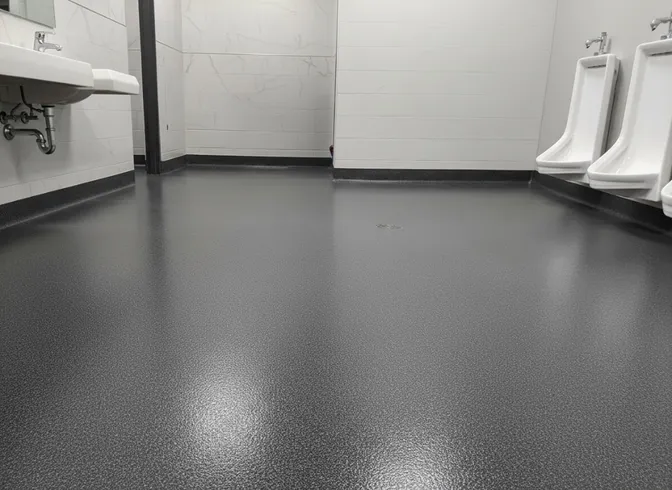
Urethane Cement
Industrial-grade system for extreme temperatures, thermal shock, and aggressive chemicals. Common in food processing and facilities with steam cleaning. Handles forklift traffic and heavy impact.
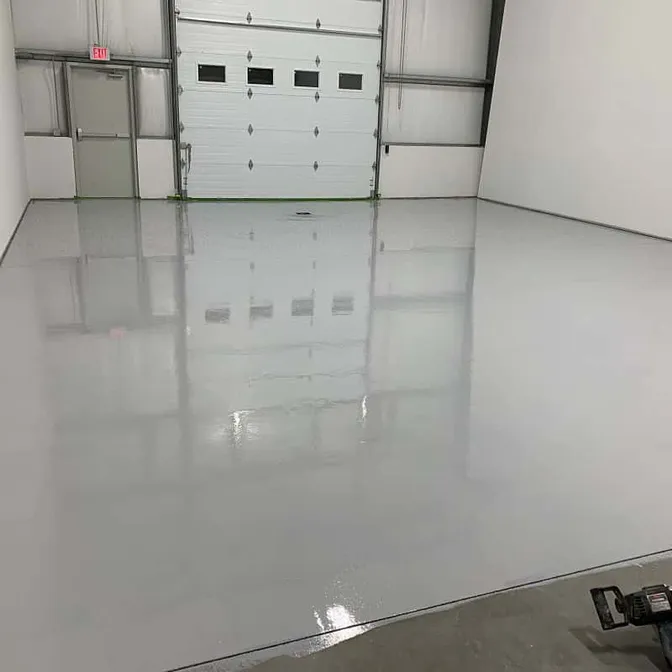
Epoxy Mortar
Heavy-duty trowel-applied system for damaged or uneven slabs. Builds thickness, fills cracks, and resists impact. Ideal for loading docks, high-traffic lanes, and areas with heavy equipment.
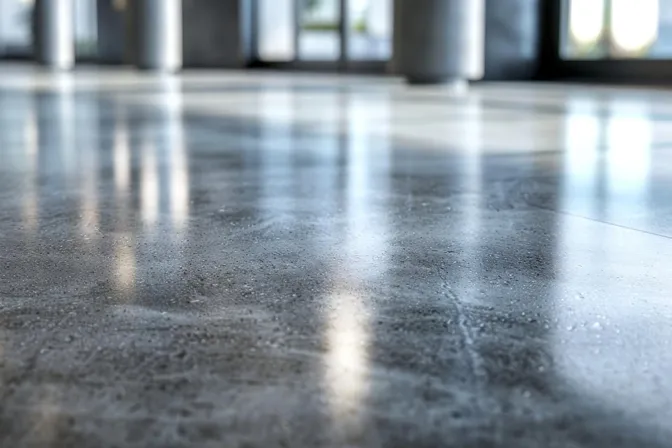
Polished Concrete
No coating to recoat. Mechanical polishing creates a dense, dust-free surface that handles forklifts and heavy traffic for 20+ years. Reduces lighting costs through reflectivity.
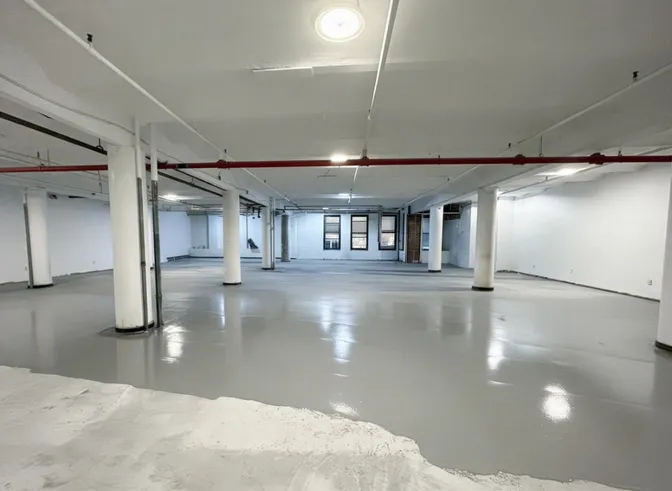
Self-Leveling Concrete
Seamless, high-build system that handles forklift traffic and heavy loads. Self-leveling fills minor imperfections and creates a smooth, durable surface.
What We Evaluate for Warehouse Floor Coating
Industrial floors need systems matched to traffic, chemicals, and operations. We assess these during your free site visit.
Stand-up and sit-down forklifts, pallet jacks, and reach trucks all impose different loads. We ask about equipment types and traffic patterns. High-build epoxy, epoxy mortar, or urethane cement may be required. Thin coatings fail under heavy equipment.
Oil, grease, battery acid, cleaning agents, and process chemicals affect system selection. We identify what spills or drips on the floor and choose a coating that resists it. Urethane cement handles thermal shock and aggressive chemicals; epoxy mortar handles impact.
We can phase the work by section so part of the facility stays operational. We coordinate cure times, access, and equipment movement. Many warehouses coat in stages over several weeks. We discuss scheduling during the initial assessment.
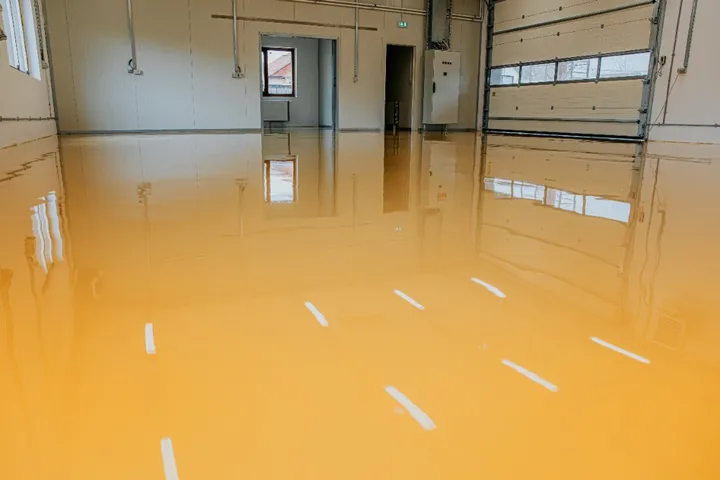
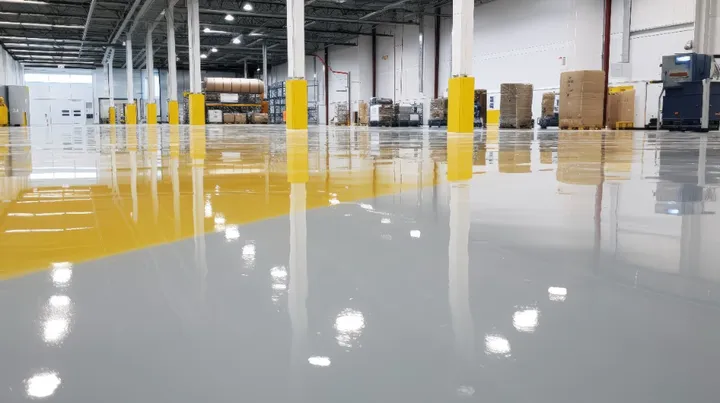
Yellow aisle lines, crosswalks, staging zones, and safety markings are common in warehouses. We can include line striping as part of the project. Colors and layouts are customized to your facility.
Cracks, spalling, and uneven surfaces need repair before coating. Epoxy mortar can fill and level; urethane cement handles thermal cycling. We assess damage and recommend the right approach. Severely deteriorated slabs may need more extensive repair first.
Warehouse Epoxy Flooring Built for Forklifts and Heavy Traffic
Warehouse and distribution center floors take a beating. Forklifts, pallet jacks, and heavy foot traffic pound the slab daily. Oil, chemicals, and impact wear down concrete. A thin coating will not cut it. We install high-build, impact-resistant epoxy and urethane systems designed for industrial use. The right system, proper prep, and phased installation keep your operation running while the floor gets upgraded.
Central NJ warehouses run the gamut from light logistics to heavy manufacturing. We assess traffic patterns, chemical exposure, and slab condition before recommending a system. Epoxy mortar, urethane cement, and heavy-duty epoxy all have their place. Line striping, wayfinding, and safety markings can be included. We work in phases so you do not shut down entirely.
Downtime costs money. We coordinate with your team on access, phasing, and cure times. Many facilities coat one section at a time, moving operations as each area cures. You get a floor that holds up to forklifts and pallet jacks for 15 to 20+ years, without a full shutdown.
How We Install Warehouse Epoxy Flooring
Your floor backed for life. In Writing. If the coating bond ever fails, peels, or delaminates, we come back and make it right: materials and labor, at no cost to you.
What a Coated Warehouse Floor Delivers
Key Benefits
- Withstands forklift and pallet jack traffic
- Resists impact, abrasion, and chemicals
- Phased installation to minimize downtime
- Optional line striping and wayfinding
- 15 to 20+ year lifespan with proper maintenance
Ideal For
Distribution centers, warehouses, and logistics facilities in Central NJ that need a floor that holds up to forklifts, pallet jacks, and heavy traffic. Also suited for manufacturing and light industrial spaces.
What to Expect
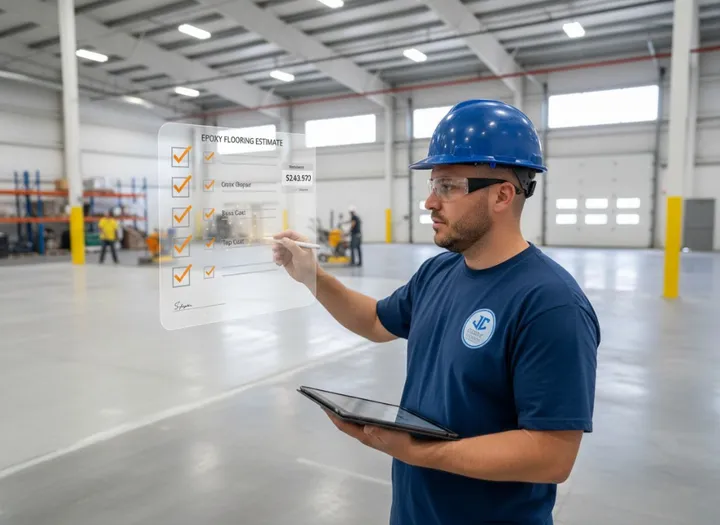
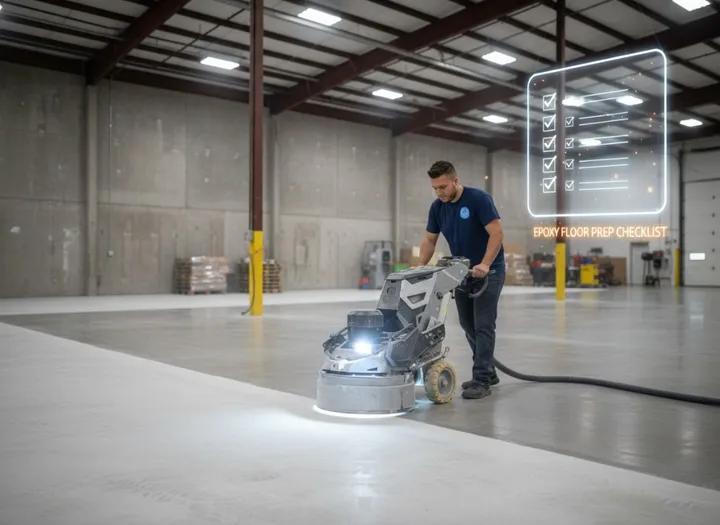
A free site visit and written estimate. A phasing plan that fits your operations. Diamond grinding, repair, and system application. Optional line striping. Cure times coordinated with your schedule. Maintenance guidelines for long-term durability.
Warehouse Epoxy Flooring by City
We install warehouse epoxy flooring across Central NJ. Select your city to see local details, photos, and pricing for your area.
Bernards Township
Three-car garages on wooded lots, village basements from the 1800s, and office campuses along Route 202 and I-287
Branchburg
Larger garages on clay-heavy soil, corporate campus floors along Route 202, and the North Branch corridor running through it all
Bridgewater
From salt-damaged garages to warehouse floors along Route 22
Edison
Sixty-year-old concrete, failed DIY kits, and floors that need to be done right this time
Franklin Township
Flood-tested basements, planned communities, and a growing warehouse corridor
Hillsborough
Subdivision garages, clay-soil basements, and Route 206 storefronts
Manville
Slabs that have been underwater, post-war ranches, and concrete the Raritan keeps testing every season
Piscataway
Post-war homes on unpredictable soil and commercial floors along the I-287 corridor
Princeton
From 1920s carriage house garages to Route 1 biotech labs
Somerville
Wet basements, old foundations, and downtown floors that can't close for a day
Warren
Estate-size garages on the Watchung ridge, luxury finished basements, pool decks on sloped wooded lots, and the Route 78 corporate corridor through Martinsville
Other Industrial Flooring
Factory
Epoxy for factories and manufacturing. Chemical and impact resistant, durable under heavy equipment.
Learn moreFood Processing
Food-grade epoxy for processing facilities. FDA-compliant, slip-resistant, easy to clean.
Learn moreAuto & Mechanical Shop
Epoxy for auto shops and mechanical shops. Oil and chemical resistant, durable under lifts and equipment.
Learn moreWarehouse Epoxy Flooring FAQ
Can warehouse epoxy flooring handle forklift traffic?
Yes. We use high-build epoxy, epoxy mortar, or urethane cement systems designed for stand-up and sit-down forklifts, pallet jacks, and reach trucks. Thin coatings fail under heavy equipment. We match the system thickness and type to your traffic load.
How do you minimize downtime during warehouse floor installation?
We phase the work by section. One area is coated and curing while another stays operational. We coordinate access, cure times, and equipment movement with your team. Many facilities complete the project over several weeks without a full shutdown.
Can you add line striping or wayfinding to the floor?
Yes. We include yellow aisle lines, crosswalks, staging zones, and safety markings as part of the project. Layout and colors are customized to your facility. Line striping is common in warehouses and distribution centers.
What does warehouse epoxy flooring cost per square foot in NJ?
Industrial epoxy systems typically run $4 to $15 per square foot installed, depending on system type, slab condition, and phasing. Epoxy mortar and urethane cement cost more than standard epoxy. We provide a detailed quote after assessing your facility.
Should I use epoxy or polished concrete for a warehouse floor?
Epoxy adds a protective coating; polished concrete refines the existing slab. Epoxy resists chemicals and impact better and can be repaired in sections. Polished concrete is lower maintenance but less resistant to aggressive chemicals. We help you decide based on your traffic, chemicals, and budget.
How long does a large warehouse floor installation take?
Timeline depends on square footage and phasing. A 10,000 sq ft warehouse phased in four sections might take two to four weeks. We provide a schedule during the estimate and coordinate with your operations team.
Get a quote for your warehouse floor
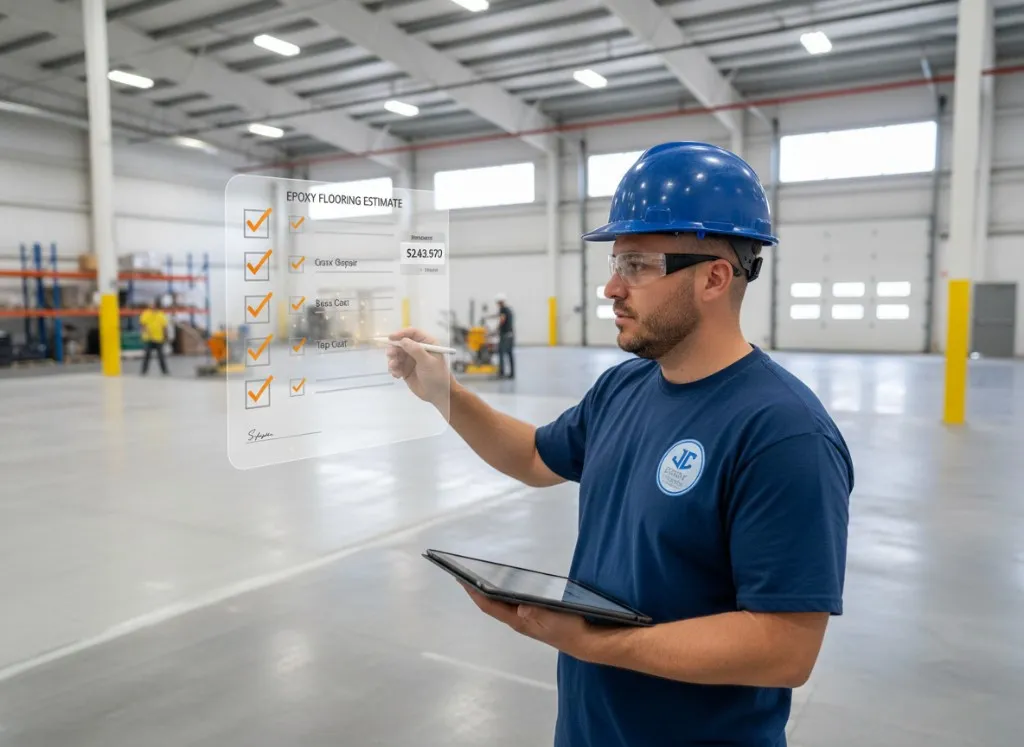
We visit your facility, assess traffic and slab condition, and provide a written estimate with a phasing plan. Minimize downtime and get a floor built to last.
Call Us: (908) 916-3535