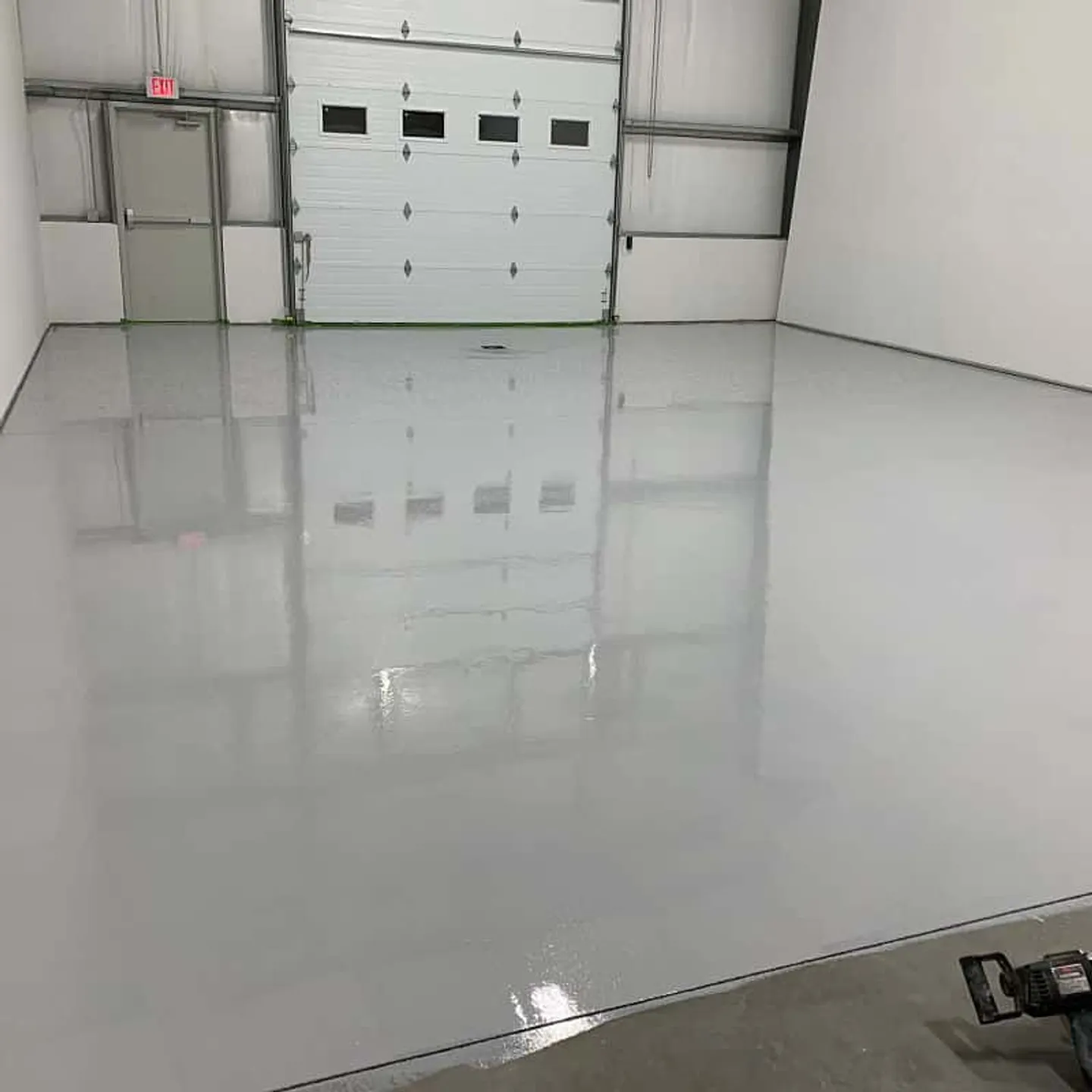
Epoxy Mortar Flooring
Heavy-duty epoxy mortar combines resins and aggregates for strong, seamless, chemical-resistant floors and repairs in high-traffic environments.
Epoxy Mortar Flooring is Best For
See how epoxy mortar flooring transforms real spaces across residential, commercial, and industrial environments.
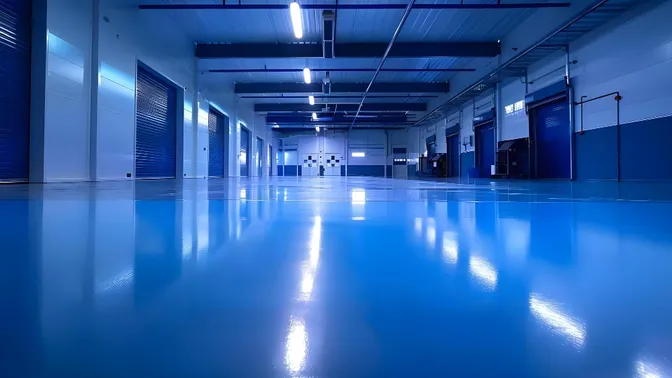
Factory
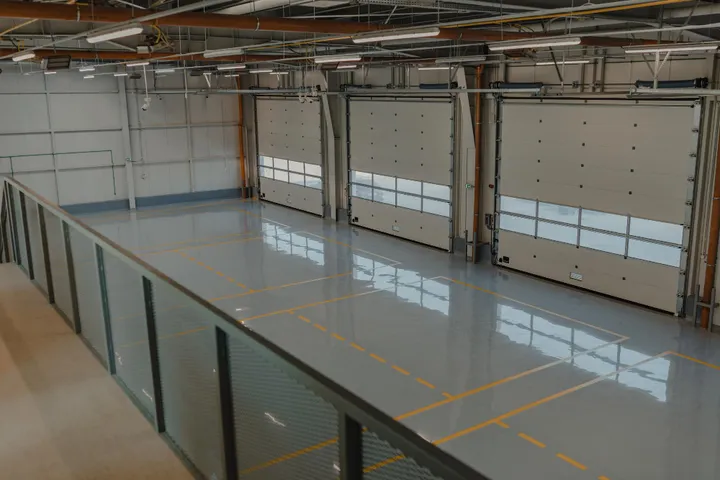
Epoxy for factories and manufacturing. Chemical and impact resistant, durable under heavy equipment.
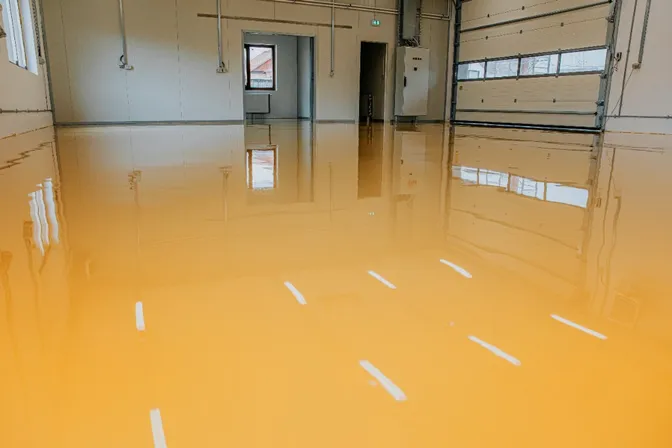
Warehouse
Epoxy flooring for warehouses. Forklift-resistant, chemical-resistant, and built for heavy use.
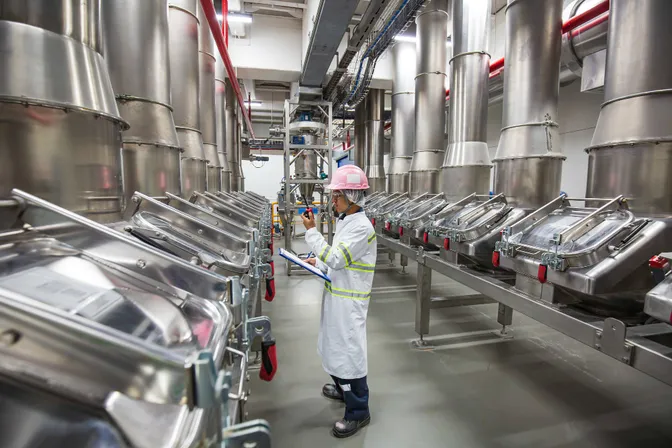
Food Processing
Food-grade epoxy for processing facilities. FDA-compliant, slip-resistant, easy to clean.
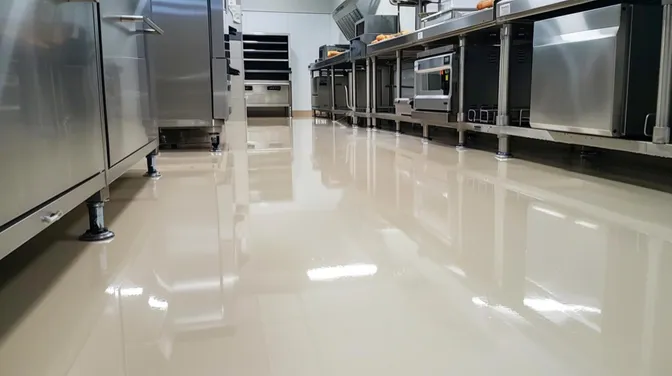
Restaurant & Kitchen
Epoxy for restaurants and commercial kitchens. Slip-resistant, chemical-resistant, easy to clean.
What to Evaluate for Epoxy Mortar
Epoxy mortar is a structural resurfacing system. These factors determine the right specification.
Epoxy mortar is ideal for slabs with significant damage: spalling, deep cracks, pitting, or erosion. We assess the extent of damage and determine the required build-up thickness. Minor surface defects may not need mortar; severely compromised slabs do.
If your facility needs water to flow to drains, epoxy mortar can be shaped to create slopes during application. This is common in food processing, wash bays, and manufacturing areas. We design the slope layout before installation.
Standard installation is 3/16 to 1/4 inch. Heavier loads, forklift traffic, or severe impact exposure may require thicker builds. We match the thickness to your equipment, traffic patterns, and the substrate condition.
Epoxy mortar resists oils, solvents, acids, and alkalis. For environments with especially aggressive chemicals, we may specify a chemical-resistant topcoat over the mortar base. We discuss your specific exposures during the consultation.
The mortar surface is functional but utilitarian. An optional topcoat adds color, easier cleaning, or additional chemical and abrasion resistance. For warehouses and factories, it is often omitted. For food processing or visible areas, we recommend it.
Epoxy Mortar: The Strongest Floor You Can Pour
Epoxy mortar is the heaviest-duty flooring system we install. It combines epoxy resin with graded silica sand or quartz aggregate to produce a dense, trowel-applied surface with compressive strength exceeding 11,800 psi. That is strong enough to handle forklift traffic, pallet drops, heavy machinery, and years of industrial abuse without cracking or wearing through. When standard epoxy is not thick or strong enough, epoxy mortar is the answer.
We install epoxy mortar at 3/16 to 1/4 inch thick or more. At that thickness it can resurface badly damaged concrete: spalling, deep cracks, pitting, and uneven surfaces that would compromise thinner coatings. It can also be shaped to create drainage slopes for facilities that need water to flow to drains. The system is seamless, chemical-resistant, and easy to maintain once cured.
Central NJ warehouses, factories, loading docks, and heavy manufacturing facilities choose epoxy mortar when the floor must carry the heaviest loads and survive the most punishing conditions. It is not decorative; it is structural. An optional topcoat can add color or additional chemical resistance, but the core of the system is built for strength.
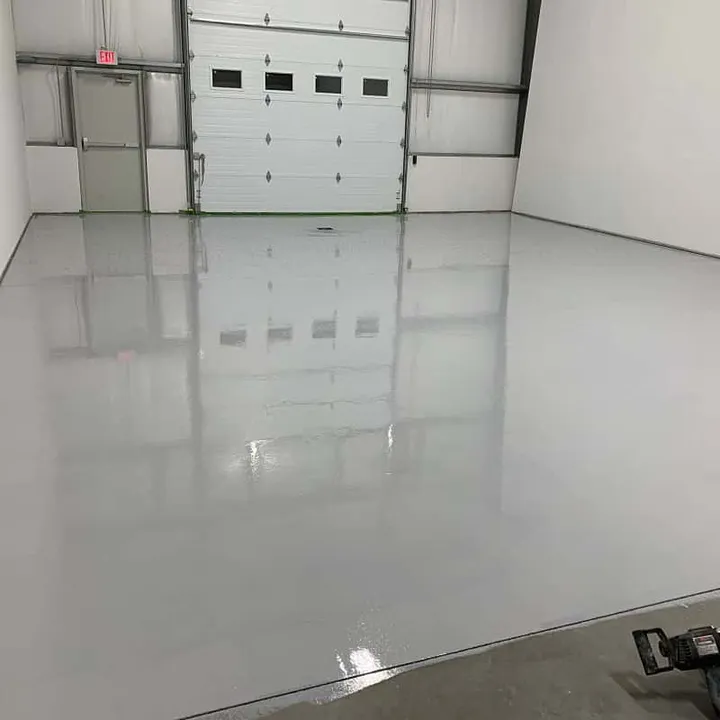
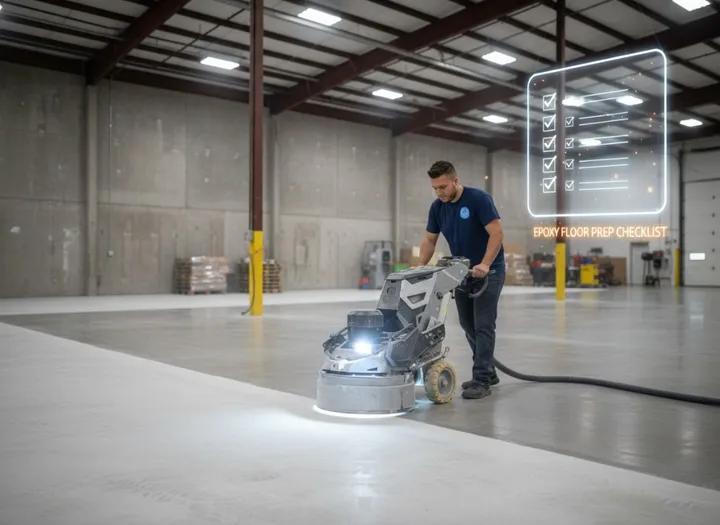
How We Install Epoxy Mortar Flooring
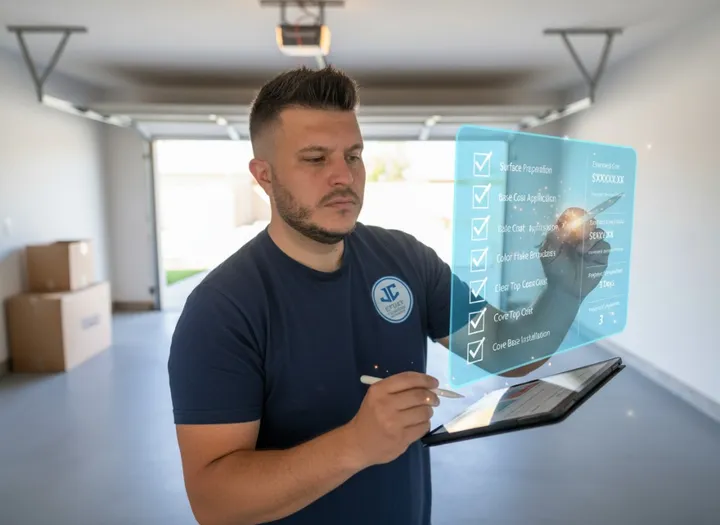
Your floor backed for life. In Writing. If the coating bond ever fails, peels, or delaminates, we come back and make it right: materials and labor, at no cost to you.
What Epoxy Mortar Delivers
Key Benefits
- Compressive strength exceeding 11,800 psi for heavy equipment and forklift traffic
- Resurfaces severely damaged, spalled, or uneven concrete
- Creates drainage slopes where water flow to drains is needed
- Chemical, abrasion, and impact resistant
- Seamless, easy-to-clean surface with 20+ year lifespan
Ideal For
Warehouses, factories, loading docks, manufacturing floors, food processing facilities, and any Central NJ industrial space with severely damaged concrete or extreme load requirements. Epoxy mortar is the system when you need structural strength, not just a coating.
What to Expect
A free damage assessment and written quote. Removal of failing material and thorough substrate preparation. Trowel-applied epoxy mortar to the specified thickness, with optional drainage slopes and topcoat. Light traffic in 24 hours; full cure in 5 to 7 days.
Epoxy Mortar Flooring by City
We install epoxy mortar flooring across Central NJ. Select your city to see local details, photos, and pricing for your area.
Bernards Township
Three-car garages on wooded lots, village basements from the 1800s, and office campuses along Route 202 and I-287
Branchburg
Larger garages on clay-heavy soil, corporate campus floors along Route 202, and the North Branch corridor running through it all
Bridgewater
From salt-damaged garages to warehouse floors along Route 22
Edison
Sixty-year-old concrete, failed DIY kits, and floors that need to be done right this time
Franklin Township
Flood-tested basements, planned communities, and a growing warehouse corridor
Hillsborough
Subdivision garages, clay-soil basements, and Route 206 storefronts
Manville
Slabs that have been underwater, post-war ranches, and concrete the Raritan keeps testing every season
Piscataway
Post-war homes on unpredictable soil and commercial floors along the I-287 corridor
Princeton
From 1920s carriage house garages to Route 1 biotech labs
Somerville
Wet basements, old foundations, and downtown floors that can't close for a day
Warren
Estate-size garages on the Watchung ridge, luxury finished basements, pool decks on sloped wooded lots, and the Route 78 corporate corridor through Martinsville
Epoxy Mortar Flooring FAQ
When is epoxy mortar needed instead of regular epoxy?
Epoxy mortar is used when the concrete is heavily damaged, uneven, or needs to be built up in thickness. Standard epoxy is a thin-film coating at 10 to 30 mils; mortar is a structural resurfacing system at 3/16 to 1/4 inch or thicker. We recommend mortar for loading docks, factories, and areas with significant slab damage or heavy equipment loads.
Can epoxy mortar fix large cracks and holes?
Yes. Epoxy mortar is specifically designed to fill and resurface large cracks, holes, spalling, and uneven areas. It can also create drainage slopes. It is a structural repair and resurfacing system, not a cosmetic coating.
How long does epoxy mortar flooring last?
Epoxy mortar floors are extremely durable and last 20 years or more in heavy industrial environments with proper maintenance. The compressive strength exceeds 11,800 psi, so it handles forklift traffic, pallet drops, and heavy machinery without degrading.
How strong is epoxy mortar compared to concrete?
Epoxy mortar has compressive strength exceeding 11,800 psi and flexural strength around 4,700 psi. Standard concrete is typically 3,000 to 5,000 psi compressive. The mortar system is significantly stronger than the concrete it covers, which is why it can resurface and protect damaged slabs.
Can epoxy mortar create drainage slopes?
Yes. During application we can shape the mortar to create slopes that direct water to floor drains. This is common in food processing, wash bays, and manufacturing areas where standing water is a problem. We plan the slope layout before installation.
What does epoxy mortar flooring cost?
Epoxy mortar is one of the more expensive flooring systems due to material volume and trowel application. Pricing depends on square footage, thickness, substrate condition, and whether topcoats or slopes are needed. We provide a written quote after assessing the floor.
Get a quote for epoxy mortar flooring
We assess your floor damage, discuss your load and chemical requirements, and provide a written estimate. Epoxy mortar for warehouses, factories, and heavy industrial environments.
Call Us: (908) 916-3535