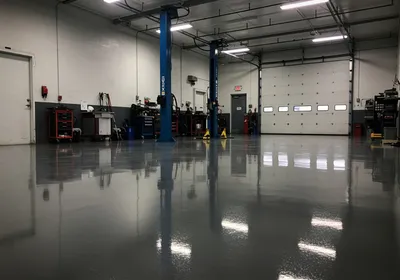
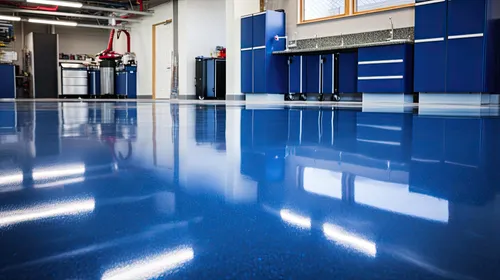
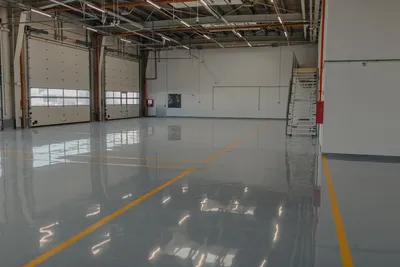
Auto Shop Epoxy Flooring
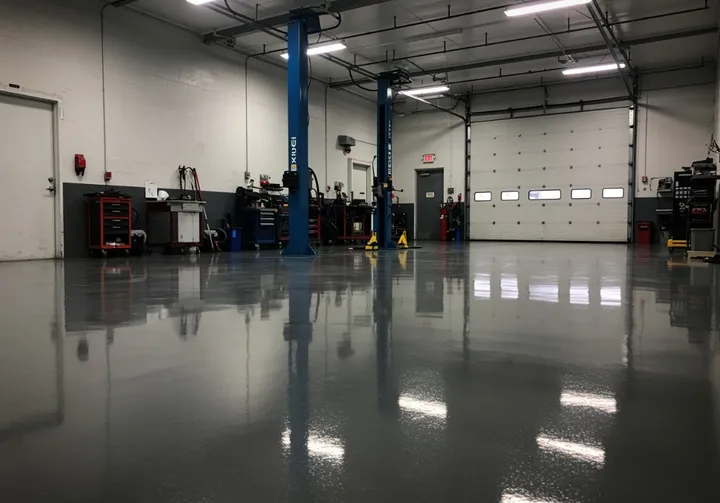
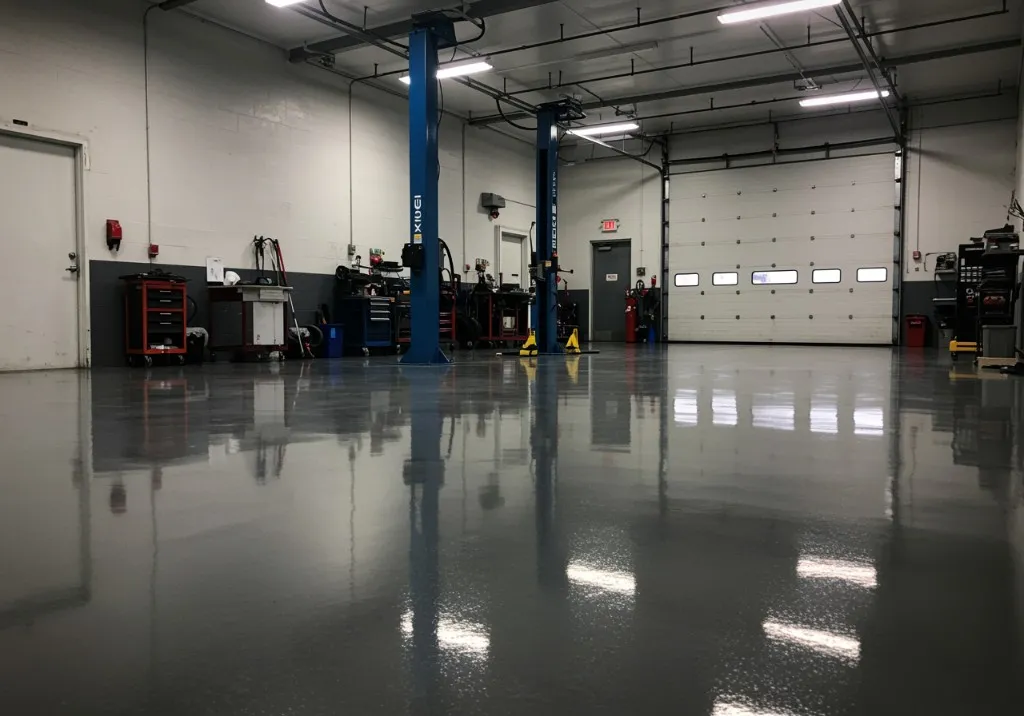
Epoxy floors for auto shops and mechanical spaces. Resists oil, chemicals, and heavy equipment.
Auto Shop Floor Options
Every system is built for the chemical exposure and mechanical loads of automotive work.
View all coating options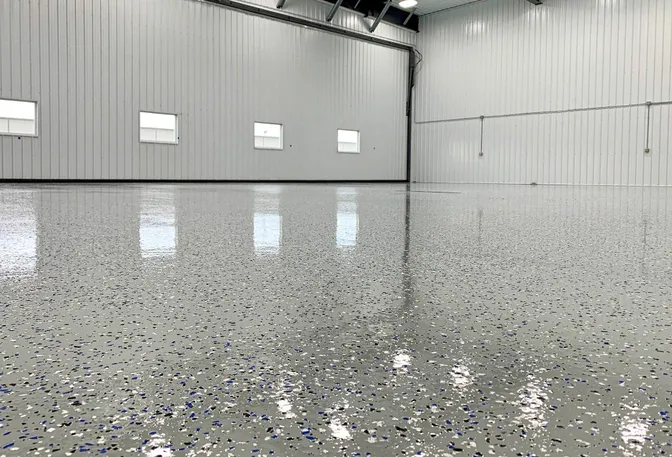
Flake System
Full-broadcast vinyl chips hide oil stains between cleanings, add grip, and give the shop a professional look. The most popular choice for auto repair bays and dealership service departments.
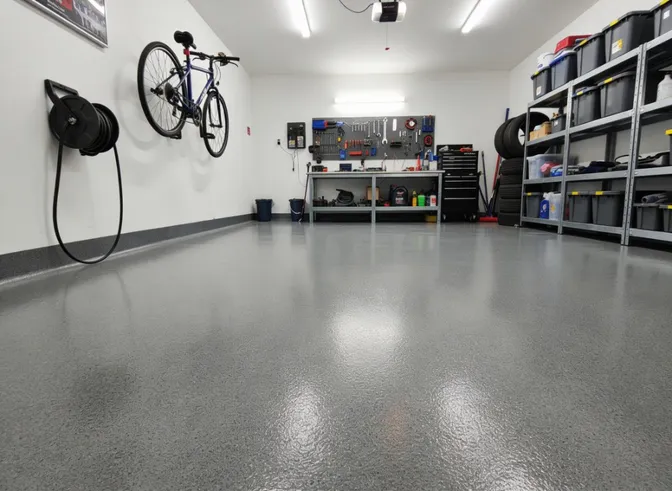
Color Quartz
Quartz broadcast for maximum chemical resistance and texture. Suited for bays with heavy chemical exposure or wash-down requirements. More industrial look than flake.
What Auto Shop Floors Need Before Coating
Auto shops have unique contamination and load conditions. We evaluate these during your free site visit.
Years of oil drips saturate concrete. Epoxy will not bond to oil-contaminated concrete. We degrease the surface, then diamond-grind past the contaminated layer to reach clean concrete. In severe cases we apply an oil-tolerant primer. This is the step that makes the difference between a floor that lasts and one that peels.
Two-post and four-post lifts concentrate vehicle weight plus the lift onto small pads. Jack stands and transmission jacks add more point load. We select a system hardness and thickness that distributes these forces without denting or cracking.
Motor oil, ATF, brake fluid, battery acid, coolant, carburetor cleaner, and parts-washer solvent all contact the floor. We match the chemical resistance to your actual fluids. Standard epoxy handles most; shops with aggressive solvents may need a specialty topcoat.
Vehicles driving in and out, rolling tool chests, and floor jacks create abrasion in traffic lanes. We apply a harder topcoat in drive lanes and bay entrances where wear concentrates.
A coated floor lets you see fresh drips immediately, which means faster cleanup and less contamination. Spills sit on the surface instead of soaking in. This keeps the shop cleaner and reduces slip hazards.
Auto Shop Floors Built for Oil, Lifts, and Real Work
Auto repair shops put more chemical variety on a floor than almost any other business. Motor oil, transmission fluid, brake cleaner, battery acid, coolant, and power-steering fluid all end up on the slab -sometimes in the same bay. Bare concrete absorbs every drop permanently. Cheap coatings peel around lifts within a year. A properly specified epoxy system resists all of it and gives you a floor you can actually keep clean.
We coat auto shops, dealership service departments, and mechanical bays across Central NJ. Every job starts with oil contamination assessment because existing oil penetration is the number-one reason coatings fail in auto shops. We degrease, grind past the contaminated layer, and prime before any epoxy goes down. Skipping this step is why other shops have peeling floors.
Most two- to four-bay shops are coated in two to three days. Larger dealership service departments are phased bay by bay. You are back to work fast with a floor that handles lift pads, jack stands, dropped tools, and every fluid your shop produces.
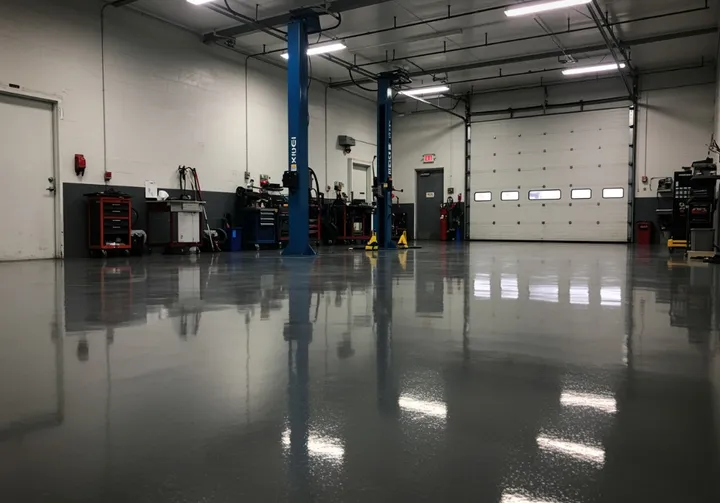
How We Coat Your Auto Shop Floor
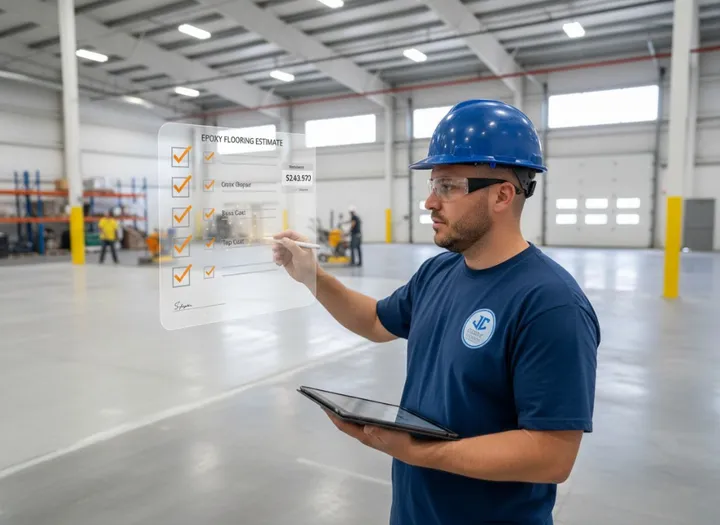
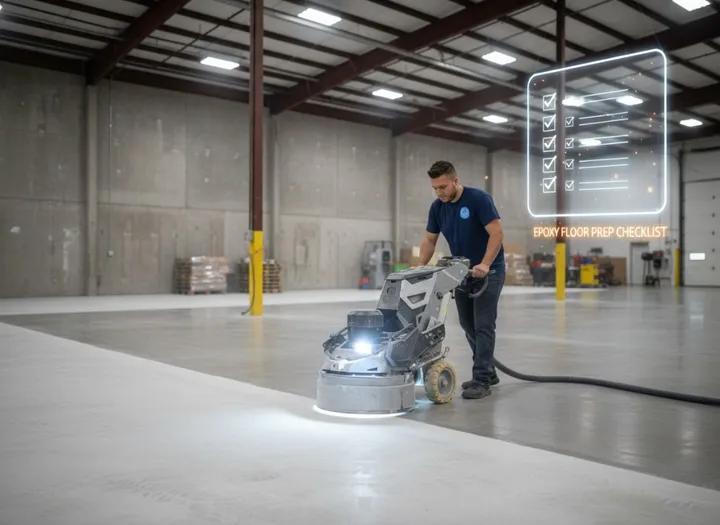
Your floor backed for life. In Writing. If the coating bond ever fails, peels, or delaminates, we come back and make it right: materials and labor, at no cost to you.
What a Coated Auto Shop Floor Delivers
Key Benefits
- Resists motor oil, ATF, brake fluid, and battery acid
- Handles lift pads, jack stands, and rolling equipment
- Spills sit on the surface instead of soaking in permanently
- Professional appearance that customers and employees notice
- 10 to 15+ year lifespan with routine cleaning
Ideal For
Independent auto repair shops, dealership service departments, quick-lube facilities, and mechanical bays in Central NJ that need a floor built for the chemicals, loads, and daily abuse of automotive work.
What to Expect
A free shop assessment including oil contamination testing. Written quote with a work schedule that minimizes downtime. Two to three days for most shops. Oil removal, grinding, coating, and topcoat. Drive-on in 72 hours. Care instructions for your team.
Auto Shop Epoxy Flooring by City
We install auto shop epoxy flooring across Central NJ. Select your city to see local details, photos, and pricing for your area.
Bernards Township
Three-car garages on wooded lots, village basements from the 1800s, and office campuses along Route 202 and I-287
Branchburg
Larger garages on clay-heavy soil, corporate campus floors along Route 202, and the North Branch corridor running through it all
Bridgewater
From salt-damaged garages to warehouse floors along Route 22
Edison
Sixty-year-old concrete, failed DIY kits, and floors that need to be done right this time
Franklin Township
Flood-tested basements, planned communities, and a growing warehouse corridor
Hillsborough
Subdivision garages, clay-soil basements, and Route 206 storefronts
Manville
Slabs that have been underwater, post-war ranches, and concrete the Raritan keeps testing every season
Piscataway
Post-war homes on unpredictable soil and commercial floors along the I-287 corridor
Princeton
From 1920s carriage house garages to Route 1 biotech labs
Somerville
Wet basements, old foundations, and downtown floors that can't close for a day
Warren
Estate-size garages on the Watchung ridge, luxury finished basements, pool decks on sloped wooded lots, and the Route 78 corporate corridor through Martinsville
Other Industrial Flooring
Warehouse
Epoxy flooring for warehouses. Forklift-resistant, chemical-resistant, and built for heavy use.
Learn moreFactory
Epoxy for factories and manufacturing. Chemical and impact resistant, durable under heavy equipment.
Learn moreFood Processing
Food-grade epoxy for processing facilities. FDA-compliant, slip-resistant, easy to clean.
Learn moreAuto Shop Floor Coating FAQ
Will epoxy bond to an oil-soaked concrete floor?
Not without proper prep. Oil-saturated concrete rejects epoxy. We degrease the surface, then diamond-grind past the contaminated layer to reach clean concrete. In severe cases we use oil-tolerant primers. This prep is the reason our auto shop floors last when others peel.
Can the floor handle lift pads and jack stands?
Yes. We select system hardness and thickness matched to the point loads from your lifts and equipment. Two-post, four-post, and scissor lifts all concentrate weight differently. We account for your specific equipment during the spec.
What automotive chemicals does the epoxy resist?
Motor oil, ATF, brake fluid, coolant, battery acid, and most shop solvents. For shops that use aggressive chemicals like MEK or acetone, we may recommend a specialty topcoat. We ask what you actually use and match the system.
How fast can we get back to work?
Light foot traffic in 24 hours. Vehicles and equipment after 72 hours for most systems. We schedule around your busiest days and can phase bay by bay if needed. You get a specific timeline for your shop.
What does auto shop epoxy cost in Central NJ?
A typical two- to four-bay shop (800 to 1,600 sq ft) runs $4,000 to $12,000 depending on oil contamination, slab condition, and finish choice. Severely contaminated slabs require more prep. We quote after assessing your shop.
How do we maintain the floor?
Sweep daily. Wipe up oil drips when you see them -they sit on the surface now instead of soaking in. Damp mop weekly with a neutral cleaner. Avoid abrasive pads. That is it. The chemical-resistant topcoat handles the rest.
Get a quote for your auto shop floor
We assess your bays, test for oil contamination, and provide a written quote. Floors built for the chemicals, lifts, and daily abuse of automotive work.
Call Us: (908) 916-3535