Factory Epoxy Flooring
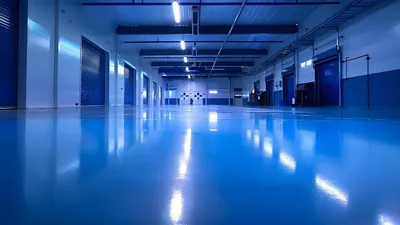
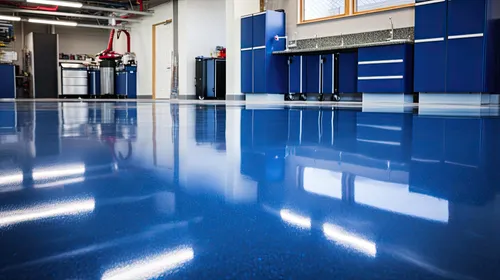
Industrial epoxy for factories and manufacturing. Chemical-resistant, impact-resistant, and built for demanding environments.
Factory Floor System Options
Different manufacturing environments need different systems. We match the build to your operation.
View all coating options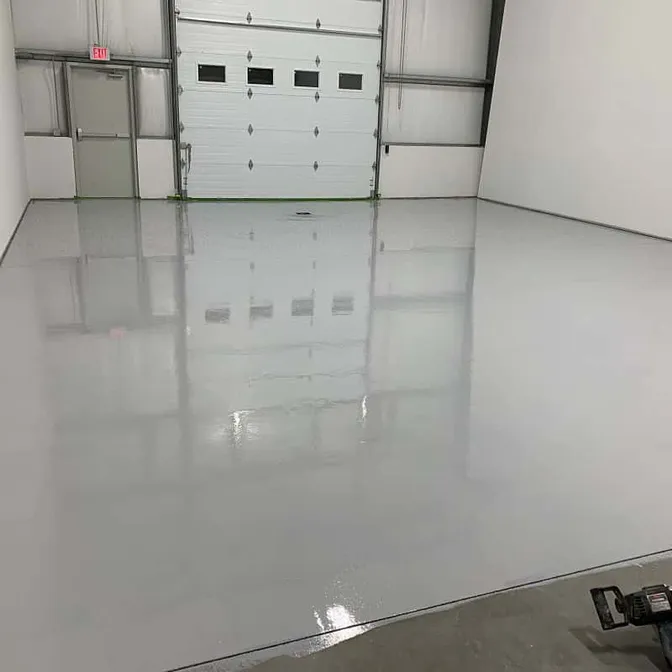
Epoxy Mortar
Trowel-applied system for maximum impact resistance. Fills damage, levels uneven areas, and creates a dense surface that handles dropped tools, equipment legs, and forklift abuse. The workhorse for heavy manufacturing.
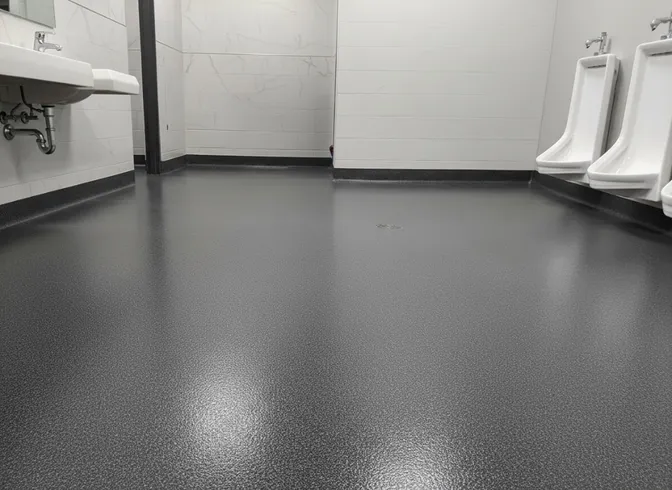
Urethane Cement
Thermal-shock and chemical-resistant system for facilities with heat-treat, welding, or aggressive process chemicals. Handles temperature swings from freezing to 250°F+ without cracking.
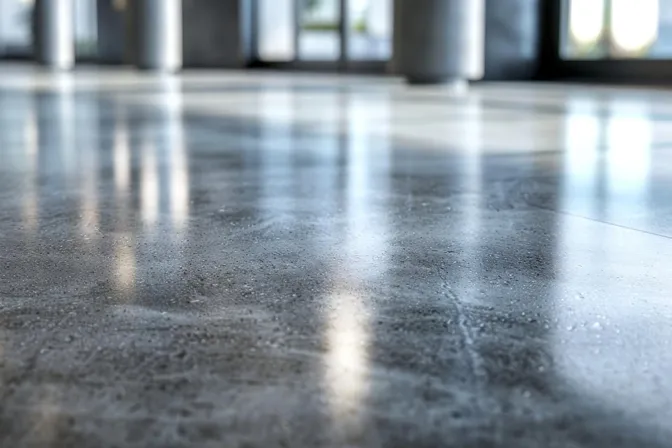
Polished Concrete
A coating-free alternative for manufacturing. Polished concrete resists abrasion, eliminates dusting, and never needs recoating. Suited for assembly areas and moderate-traffic production floors.
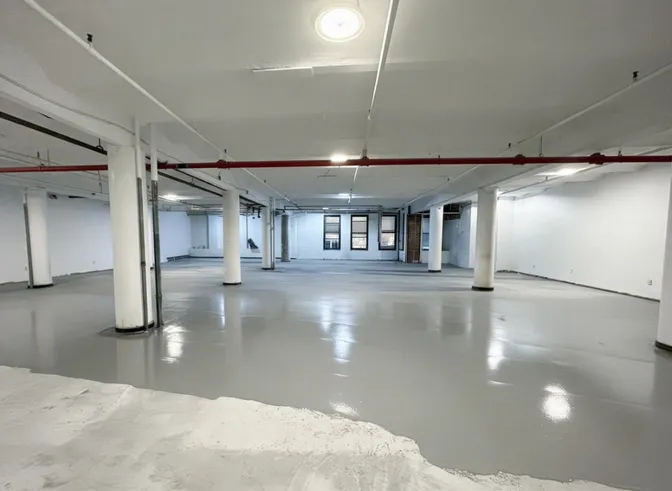
Self-Leveling Concrete
Precision-flat surface for clean rooms, assembly lines, and labs. Self-leveling creates a seamless floor that keeps equipment stable and is easy to maintain.
What We Evaluate for Factory Floor Coating
Every manufacturing environment has unique chemical, mechanical, and thermal demands. We assess these during your free site walk.
CNC machines, stamping presses, lathes, and assembly fixtures concentrate weight on legs and leveling pads. We calculate point-load pressure and select a system thickness and hardness that distributes force without cracking or denting. Thin coatings fail under static heavy loads.
Coolant, hydraulic fluid, cutting oil, solvents, and acids vary by operation. We identify what contacts your floor and match the chemistry. Epoxy resists most oils and mild acids. Aggressive solvents or concentrated acids may require novolac epoxy or urethane cement.
Welding sparks, heat-treat ovens, and hot parts placed on the slab create localized thermal stress. Standard epoxy softens above 140°F. We use systems rated for your actual thermal exposure and protect high-heat zones with appropriate materials.
Forklifts, AGVs, and tow motors create concentrated wear in travel lanes and turning areas. We build those zones thicker and apply harder topcoats. Line striping defines lanes and keeps equipment traffic predictable.
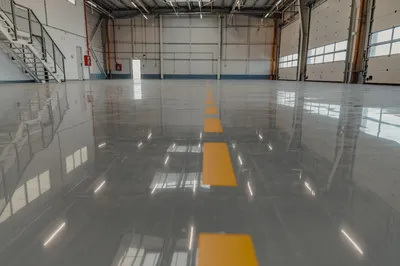
OSHA color standards for aisles, equipment zones, and hazard areas are common in manufacturing. We include line striping, color zones, and safety markings as part of the project. Layout is customized to your facility.
Factory Floors That Take the Hit So Your Equipment Doesn't
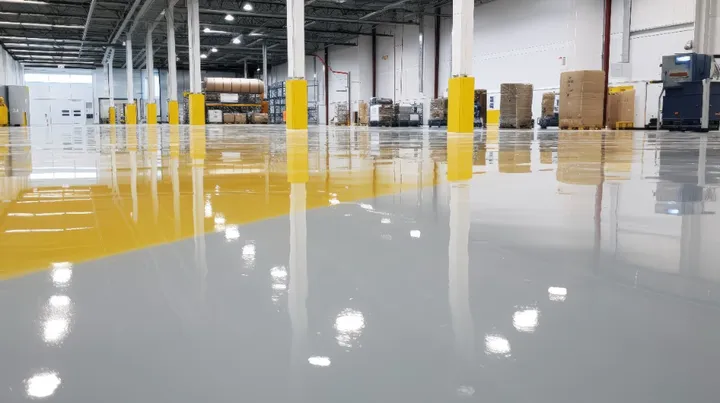
Manufacturing floors absorb punishment that no office or retail surface would survive. Forklifts, CNC machines, and stamping presses concentrate thousands of pounds on small areas. Coolant, hydraulic fluid, and cutting oil drip continuously. Thermal cycling from welding and heat-treat processes expands and contracts the slab. A thin coating fails under these conditions. We install high-build epoxy and urethane systems engineered for the chemical, thermal, and mechanical loads your factory floor actually sees.
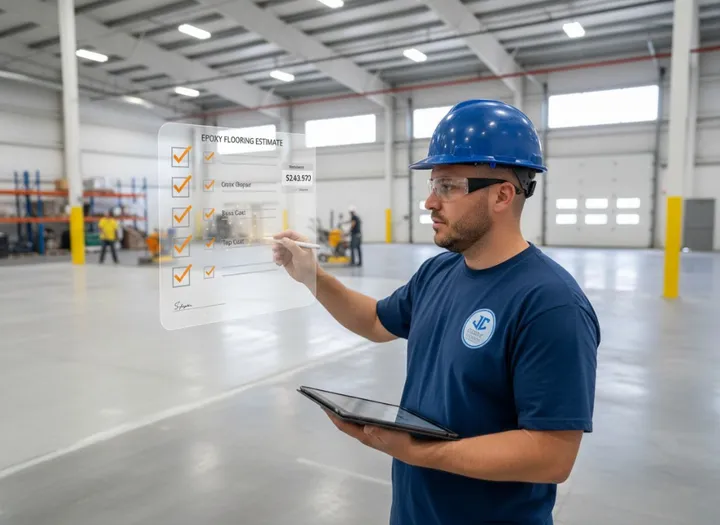
We work with manufacturers across Central NJ. Every factory project starts with a site walk where we identify traffic patterns, chemical exposure, point loads from machinery, and any safety markings needed. The system we recommend matches your operation -not a one-size-fits-all spec sheet. Epoxy mortar for impact zones, chemical-resistant topcoats for process areas, and anti-slip broadcast for wet corridors.
Downtime on a production floor costs real money. We phase every factory job so you keep running. One line or bay is coated while the rest of the plant operates. Cure times are coordinated with your maintenance windows. Most factory floors are completed in stages over days or weeks without a full shutdown.
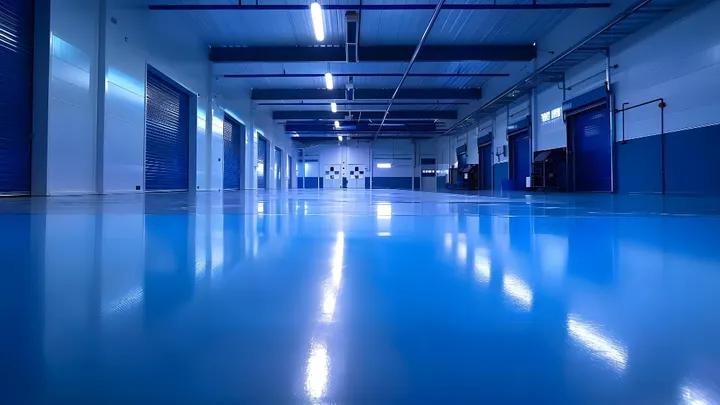
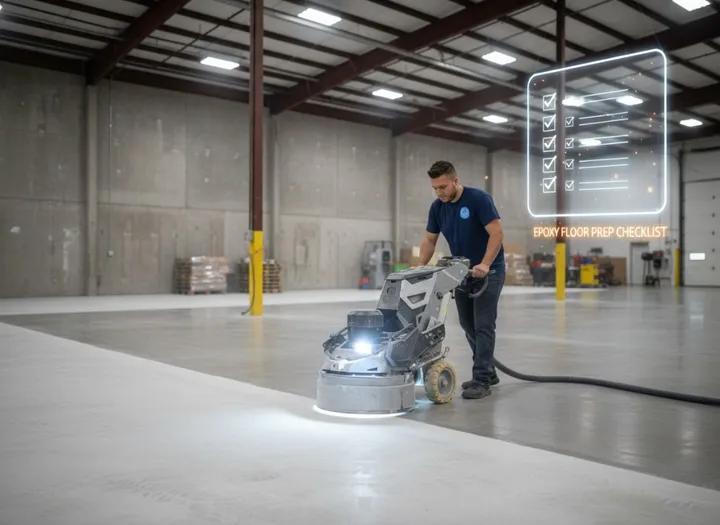
How We Coat Your Factory Floor
Your floor backed for life. In Writing. If the coating bond ever fails, peels, or delaminates, we come back and make it right: materials and labor, at no cost to you.
What a Coated Factory Floor Delivers
Key Benefits
- Withstands point loads from heavy machinery and equipment
- Resists process chemicals, oils, and thermal cycling
- Safety markings and OSHA color zones included
- Phased installation around production schedules
- 15 to 20+ year lifespan with proper maintenance
Ideal For
Manufacturing plants, machine shops, assembly facilities, and production floors in Central NJ that need a floor built for the actual loads, chemicals, and thermal conditions of manufacturing.
What to Expect
A free site walk with system specification. Written quote with phasing plan. Work coordinated with your maintenance windows. Safety markings and line striping included. Maintenance guidelines for your facility team.
Factory Epoxy Flooring by City
We install factory epoxy flooring across Central NJ. Select your city to see local details, photos, and pricing for your area.
Bernards Township
Three-car garages on wooded lots, village basements from the 1800s, and office campuses along Route 202 and I-287
Branchburg
Larger garages on clay-heavy soil, corporate campus floors along Route 202, and the North Branch corridor running through it all
Bridgewater
From salt-damaged garages to warehouse floors along Route 22
Edison
Sixty-year-old concrete, failed DIY kits, and floors that need to be done right this time
Franklin Township
Flood-tested basements, planned communities, and a growing warehouse corridor
Hillsborough
Subdivision garages, clay-soil basements, and Route 206 storefronts
Manville
Slabs that have been underwater, post-war ranches, and concrete the Raritan keeps testing every season
Piscataway
Post-war homes on unpredictable soil and commercial floors along the I-287 corridor
Princeton
From 1920s carriage house garages to Route 1 biotech labs
Somerville
Wet basements, old foundations, and downtown floors that can't close for a day
Warren
Estate-size garages on the Watchung ridge, luxury finished basements, pool decks on sloped wooded lots, and the Route 78 corporate corridor through Martinsville
Other Industrial Flooring
Warehouse
Epoxy flooring for warehouses. Forklift-resistant, chemical-resistant, and built for heavy use.
Learn moreFood Processing
Food-grade epoxy for processing facilities. FDA-compliant, slip-resistant, easy to clean.
Learn moreAuto & Mechanical Shop
Epoxy for auto shops and mechanical shops. Oil and chemical resistant, durable under lifts and equipment.
Learn moreFactory Floor Coating FAQ
Can you coat around our machinery without moving it?
In most cases yes. We work around fixed equipment, cutting in at the base. For large machinery on legs or pads, we coat up to the footprint. If equipment is being relocated during a maintenance shutdown, we coordinate timing to coat that area while it is accessible.
What chemicals can factory epoxy resist?
Standard industrial epoxy resists most oils, coolants, mild acids, and common solvents. For aggressive chemicals -concentrated acids, ketones, or specialty solvents -we specify novolac epoxy or urethane cement systems. We ask what contacts your floor and match the chemistry.
How do you handle safety markings and line striping?
We include OSHA-standard color striping for aisles, equipment zones, crosswalks, and hazard areas. Layout is customized to your facility. Markings are applied as part of the coating system so they are integral, not painted on top.
What does industrial factory floor coating cost?
Industrial systems typically run $5 to $16 per square foot depending on system type, slab condition, and phasing complexity. Epoxy mortar and urethane cement cost more than standard epoxy. We provide a detailed quote after the site walk.
How long until we can move equipment back?
Light foot traffic in 24 hours. Equipment and forklift traffic after 48 to 72 hours depending on system and temperature. We coordinate cure windows with your production schedule and provide exact timelines for each phase.
Can you phase the work so we keep producing?
That is standard for every factory project. We coat one bay, line, or zone at a time while the rest of the plant runs. Each phase has a defined prep, coat, and cure window coordinated with your maintenance team.
Get a quote for your factory floor
We walk your plant, spec the right system, and provide a written quote with a phasing plan. Your production keeps running while we work.
Call Us: (908) 916-3535