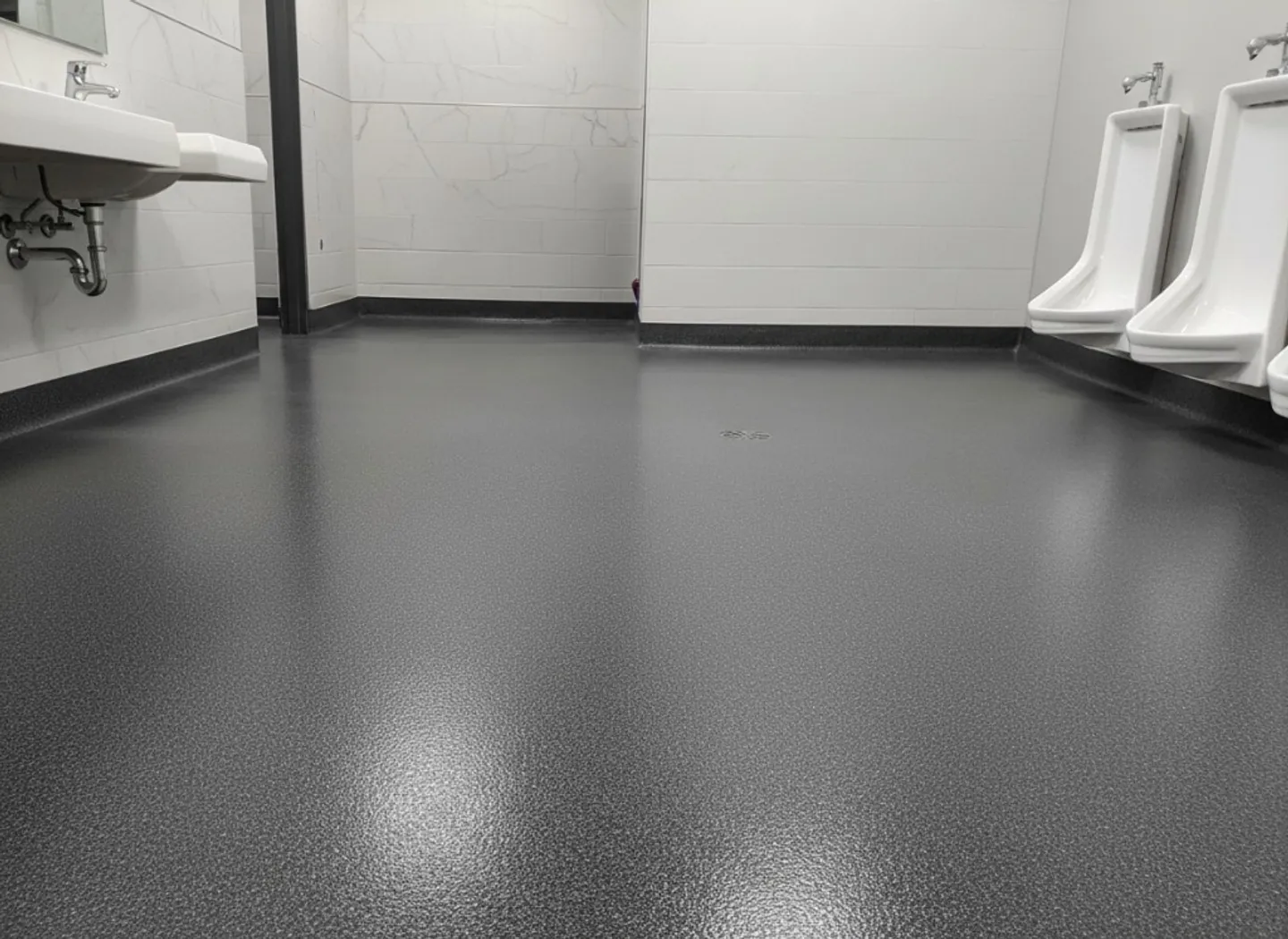
Urethane Cement Flooring
Industrial-grade urethane cement engineered for extreme temperatures, heavy impact, chemicals, and moisture in commercial and industrial environments.
Urethane Cement Flooring is Best For
See how urethane cement flooring transforms real spaces across residential, commercial, and industrial environments.
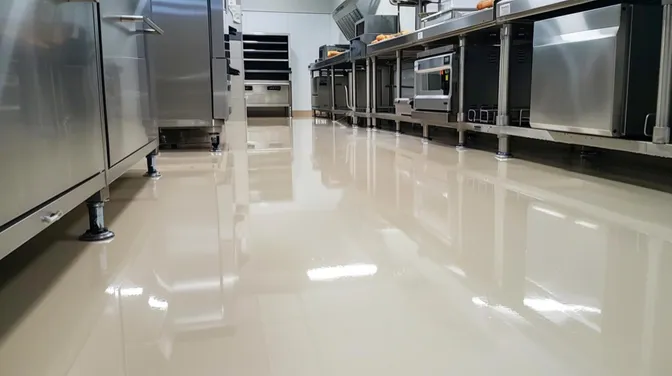
Restaurant & Kitchen
Epoxy for restaurants and commercial kitchens. Slip-resistant, chemical-resistant, easy to clean.
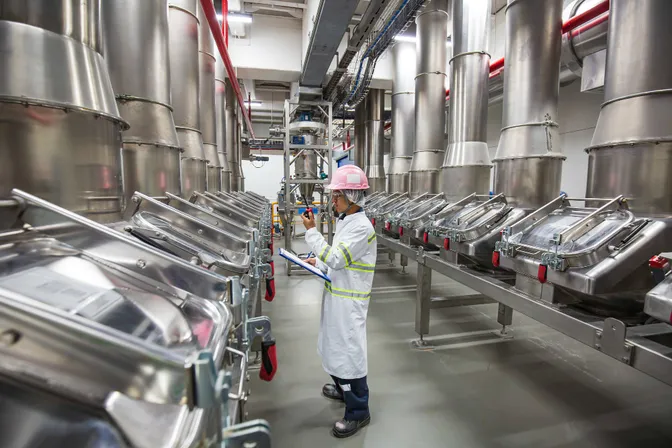
Food Processing
Food-grade epoxy for processing facilities. FDA-compliant, slip-resistant, easy to clean.
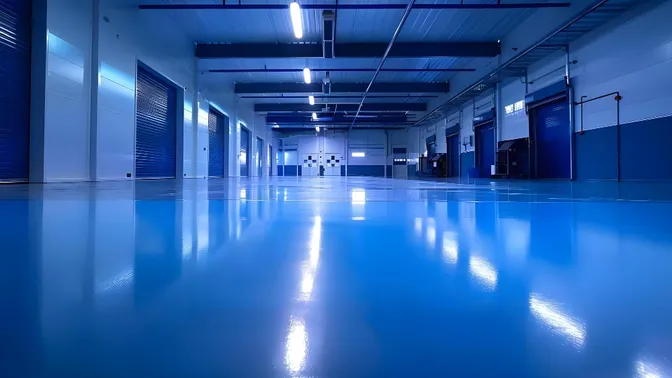
Factory
Epoxy for factories and manufacturing. Chemical and impact resistant, durable under heavy equipment.
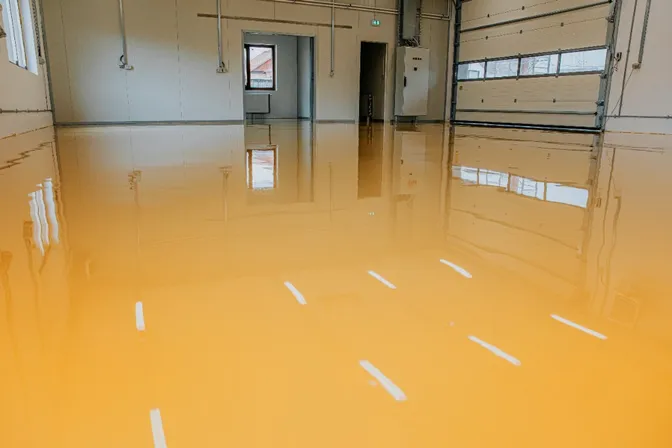
Warehouse
Epoxy flooring for warehouses. Forklift-resistant, chemical-resistant, and built for heavy use.
What to Know Before Choosing Urethane Cement
Urethane cement is a specialty system. These factors determine whether it is the right choice for your facility.
If your floor sees hot washdowns, steam cleaning, fryer oil spills, or freezer temperatures, urethane cement is likely the right system. Standard epoxy cracks under rapid temperature swings. Urethane cement expands and contracts at the same rate as concrete, so it stays bonded through thermal cycling from -100°F to over 200°F.
Urethane cement resists acids, alkalis, fats, solvents, and aggressive cleaning agents used in food processing and pharmaceutical facilities. It meets FDA, USDA, and HACCP standards. If your facility requires daily chemical washdowns or must pass sanitation audits, this system is designed for that.
Unlike epoxy, urethane cement can bond to damp or green concrete. The cement component tolerates higher moisture content in the substrate. This is a significant advantage for facilities that cannot wait 28 days for a new slab to cure before coating.
We typically install urethane cement at 3/16 to 1/2 inch thick. Thicker builds handle heavier impact and more severe conditions. We assess your traffic, equipment loads, and chemical exposure to recommend the right thickness.
Urethane cement is walkable in about 24 hours and reaches full chemical cure in 3 to 5 days depending on temperature and humidity. We coordinate the schedule so your facility downtime is minimized.
Urethane Cement: Built for Thermal Shock and Sanitation
Urethane cement is a hybrid flooring system that combines urethane resin with Portland cement and aggregates. The result is a dense, seamless, trowel-applied surface that handles conditions no standard epoxy can survive. It withstands thermal shock from -100°F to over 200°F, so a floor that goes from steam cleaning to freezer temperatures in minutes will not crack, delaminate, or lift. That is why it is the default for food processing, breweries, commercial kitchens, and pharmaceutical plants.
Unlike standard epoxy, urethane cement can be applied to damp or green concrete without the typical 28-day cure wait. It bonds to substrates with higher moisture content because the cement component is compatible with water. This cuts project timelines in food and beverage facilities that cannot shut down for weeks. Installed at 3/16 to 1/2 inch thick, it is a structural surface, not a thin film.
Urethane cement meets FDA, USDA, and HACCP requirements for food-contact environments. The seamless, non-porous finish eliminates joints where bacteria can harbor. It resists acids, alkalis, fats, and aggressive cleaning chemicals used in daily washdowns. Central NJ food processors, commercial kitchens, and industrial clients choose urethane cement when failure is not an option and the floor has to perform under the harshest conditions.
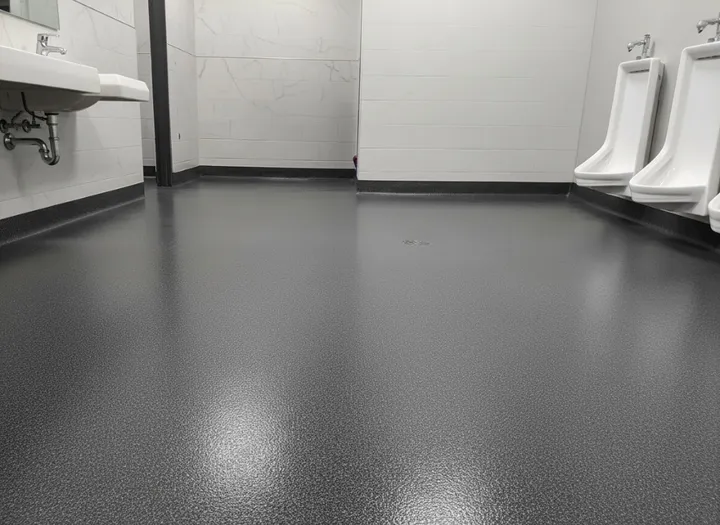
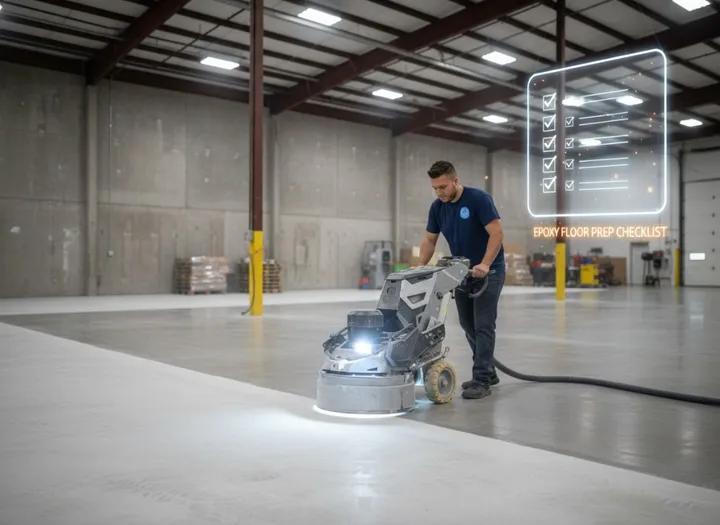
How We Install Urethane Cement Flooring

Your floor backed for life. In Writing. If the coating bond ever fails, peels, or delaminates, we come back and make it right: materials and labor, at no cost to you.
What Urethane Cement Delivers
Key Benefits
- Thermal shock resistant: handles -100°F to 200°F+ without cracking
- FDA, USDA, and HACCP compliant for food-contact environments
- Bonds to damp and green concrete, cutting project timelines
- Resists acids, alkalis, fats, solvents, and aggressive washdown chemicals
- Seamless, non-porous surface that eliminates bacterial harborage
Ideal For
Food processing plants, commercial kitchens, breweries, pharmaceutical facilities, cold storage, and any Central NJ facility where thermal shock, chemical exposure, and strict sanitation are daily realities. Urethane cement is the system when standard epoxy cannot survive.
What to Expect
A free facility assessment and written quote. Surface preparation including grinding, crack repair, and moisture testing. Trowel-applied urethane cement system at the specified thickness. Walkable in about 24 hours, full chemical cure in 3 to 5 days. Maintenance guidelines for long-term performance.
Urethane Cement Flooring by City
We install urethane cement flooring across Central NJ. Select your city to see local details, photos, and pricing for your area.
Bernards Township
Three-car garages on wooded lots, village basements from the 1800s, and office campuses along Route 202 and I-287
Branchburg
Larger garages on clay-heavy soil, corporate campus floors along Route 202, and the North Branch corridor running through it all
Bridgewater
From salt-damaged garages to warehouse floors along Route 22
Edison
Sixty-year-old concrete, failed DIY kits, and floors that need to be done right this time
Franklin Township
Flood-tested basements, planned communities, and a growing warehouse corridor
Hillsborough
Subdivision garages, clay-soil basements, and Route 206 storefronts
Manville
Slabs that have been underwater, post-war ranches, and concrete the Raritan keeps testing every season
Piscataway
Post-war homes on unpredictable soil and commercial floors along the I-287 corridor
Princeton
From 1920s carriage house garages to Route 1 biotech labs
Somerville
Wet basements, old foundations, and downtown floors that can't close for a day
Warren
Estate-size garages on the Watchung ridge, luxury finished basements, pool decks on sloped wooded lots, and the Route 78 corporate corridor through Martinsville
Urethane Cement Flooring FAQ
What makes urethane cement different from epoxy?
Urethane cement handles extreme temperature swings from steam cleaning to freezer conditions without cracking or delaminating. Standard epoxy fails under thermal shock. Urethane cement also bonds to damp concrete and meets FDA and USDA standards for food-contact areas. It is a thicker, trowel-applied system, not a thin-film coating.
How long does urethane cement flooring last?
With proper installation and maintenance, urethane cement floors last 15 to 25 years or more, even in demanding food processing and industrial environments. The system is designed for facilities that need long-term, low-maintenance performance under extreme conditions.
Can urethane cement be installed over existing flooring?
In most cases, yes. We assess the existing surface, remove any failing coatings, and prepare the substrate so the urethane cement bonds properly. If the existing concrete has high moisture, urethane cement is uniquely suited because it tolerates damp substrates.
Is urethane cement safe for food processing areas?
Yes. Urethane cement meets FDA, USDA, and HACCP requirements for food-contact environments. The seamless, non-porous surface eliminates joints where bacteria can harbor. It withstands the aggressive cleaning chemicals and hot washdowns used in food and beverage facilities.
How does urethane cement handle thermal shock?
Urethane cement expands and contracts at the same rate as the concrete substrate. This means it stays bonded through rapid temperature changes from hot washdowns, steam cleaning, or fryer oil spills to freezer conditions. Standard epoxy cracks under these swings; urethane cement does not.
What does urethane cement flooring cost?
Urethane cement costs more than standard epoxy due to the specialized materials and trowel application. Pricing depends on square footage, substrate condition, and thickness. We provide a written quote after assessing your facility. The investment is justified by the 15 to 25 year lifespan and resistance to conditions that destroy lesser systems.
Get a quote for urethane cement flooring
We assess your facility, evaluate your thermal and chemical exposure, and provide a written estimate. Urethane cement for food processing, kitchens, and industrial environments.
Call Us: (908) 916-3535