Food Processing Floor Coatings in Warren Township, NJ
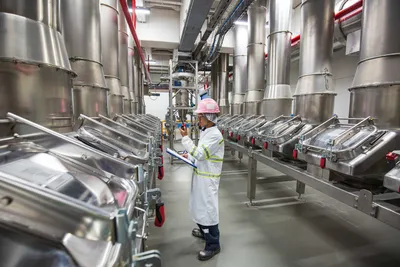
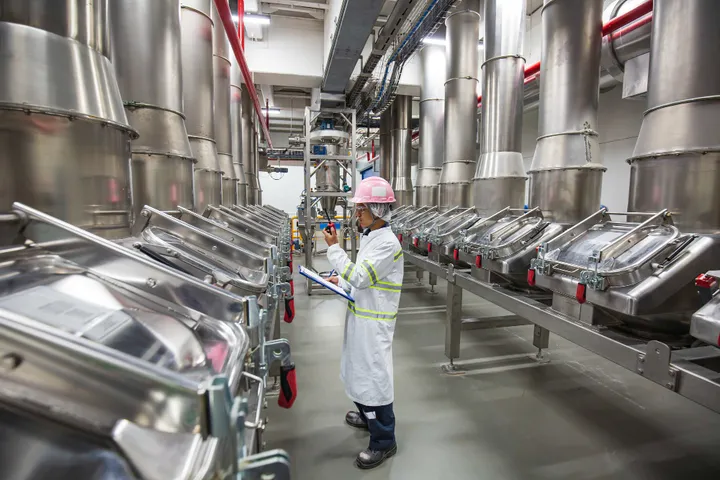
Food processing, food manufacturing, and food distribution operations in Warren Township's Martinsville commercial zone face the most demanding floor specification requirements in the industrial category. These facilities combine thermal cycling - from ambient temperature to refrigerated staging and back - with aggressive chemical sanitation protocols, wet-floor sanitation cleaning cycles, and regulatory inspection requirements that standard epoxy systems are simply not designed to meet. Urethane cement is the correct floor specification for food processing and distribution environments, and it is the system we install for Warren Township food facility operators.
What Food Processing Floors Demand
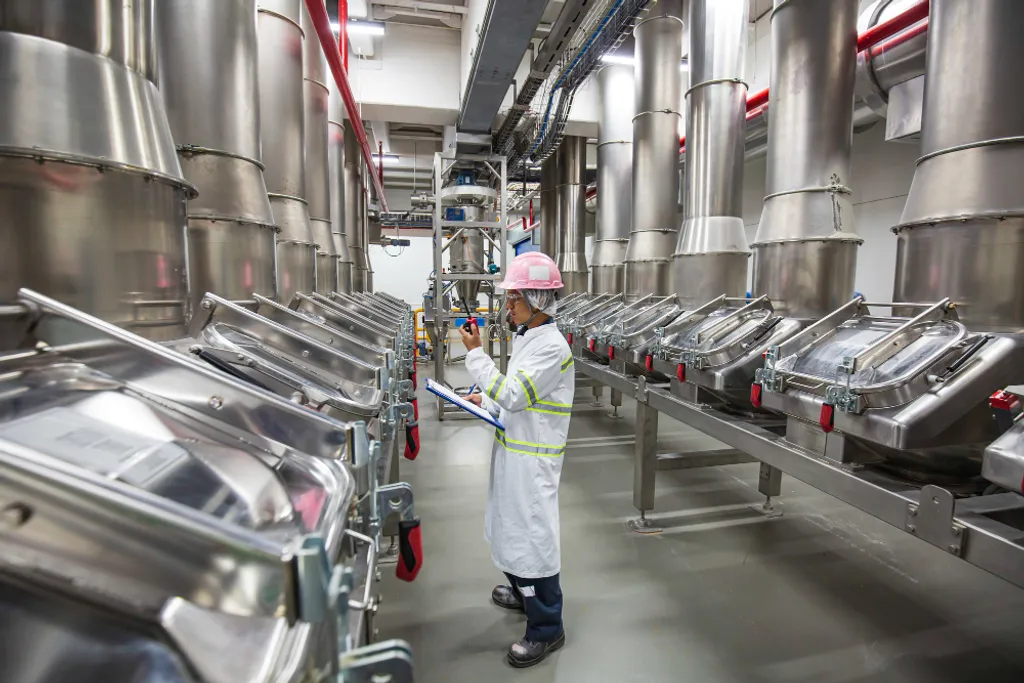
Compliance, sanitation, and safety requirements make food-processing floors the most demanding industrial category. We assess these during your site visit.
Third-party auditors check flooring as part of their assessment. Cracks, grout, and porous surfaces are findings. We install systems that meet USDA acceptance criteria and support SQF, BRC, and FSMA compliance. The system spec is documented for your audit file.
Hot water wash-down at 180°F hitting a cold slab, cold-storage transitions from 35°F to ambient, and steam cleaning create thermal cycling that cracks standard epoxy. Urethane cement handles the full range without delaminating.
Processing lines, wash-down areas, and packaging zones are wet continuously. We broadcast aluminum oxide or quartz for aggressive slip resistance and zone the texture by area. Dry storage gets less texture; processing lines get maximum traction.
The floor-to-wall joint is where water, product, and bacteria collect. Integral cove base eliminates the seam. Slope-to-drain ensures water flows to collection points and does not pond. Both are standard on every food-processing floor we install.
Peracetic acid, chlorinated alkaline cleaners, quaternary ammonium, and caustic wash solutions are common in food processing. Each has a different chemical profile. We match the flooring system to your actual CIP and sanitation chemicals.
Food facility floor systems in Warren Township
Food processing and food distribution facilities in Warren Township's industrial zones deal with two conditions that eliminate standard epoxy from consideration: thermal cycling and chemical sanitation. The thermal cycling problem is straightforward - standard epoxy becomes brittle when it is repeatedly brought from ambient temperature to refrigerated conditions and back. Over time, the brittleness produces hairline cracking at the surface, which then harbors moisture and bacteria that cannot be removed by surface cleaning alone. A food facility floor that is thermally cracking is a food safety problem, not just a maintenance problem.
The chemical sanitation problem is the other side of the same coin. Food processing facilities use cleaning and sanitation protocols that include caustic degreasers, acidic descalers, chlorine-based sanitizers, quaternary ammonium compounds, and in some operations, hot water or steam cleaning applied at the floor surface. Standard epoxy topcoats degrade under repeated application of these agents at full working concentration. As the surface degrades, it becomes porous and harder to sanitize - which is the opposite of what a food safety program requires.
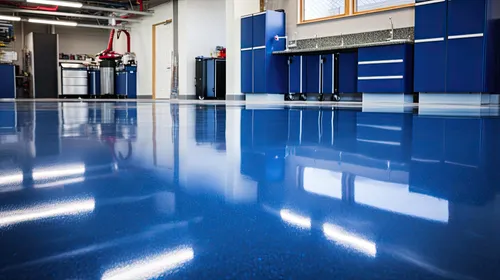
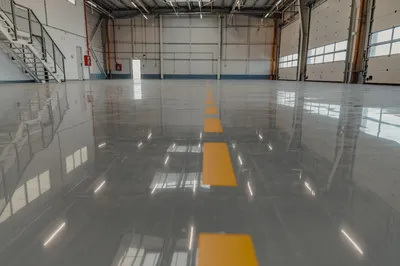
Urethane cement solves both problems. It is thermally stable across the temperature range food processing and distribution operations produce, including repeated thermal cycling without cracking or delamination. It is chemically resistant to the full range of food-grade cleaning and sanitation chemicals at working concentrations, including caustic and acidic agents. It provides a seamless, non-porous surface that can be cleaned to food facility hygiene standards. And it is slip-resistant from its aggregate-broadcast texture, which meets food facility wet-floor safety requirements without requiring a separate anti-slip coating.
Every project follows the same proven steps, from free estimate to final walkthrough.
Your floor backed for life. In Writing. If the coating bond ever fails, peels, or delaminates, we come back and make it right: materials and labor, at no cost to you.
What you get
Key Benefits
- Urethane cement system rated for food facility thermal cycling and chemical sanitation protocols
- Seamless, non-porous surface meeting food facility hygiene and inspection requirements
- Vapor-managed base coat on Martinsville valley floor slabs where required
- Slip-resistant aggregate texture for wet-floor food facility environments
- Coving at wall bases and around equipment to eliminate contamination-harboring gaps
- Phased installation to maintain food production continuity
- System documentation for health department and food safety audit compliance
Ideal For
Food processing facilities, commercial food production operations, food distribution centers with refrigerated staging areas, USDA or state-regulated food manufacturing facilities, and any Warren Township food facility where the current floor is failing under thermal cycling or chemical sanitation demands.
What to Expect
We assess the slab, temperature cycling requirements, and sanitation protocol before specifying a system. Food facility installs are phased to maintain operational continuity where possible. Urethane cement requires specific cure times before hot water and chemical cleaning can resume - we provide exact zone-by-zone timelines based on the product system and ambient facility temperature.
Food Processing Floor FAQ - Warren Township
Our Warren food facility floor is cracking in the cold storage transition zone. What is causing this and what is the solution?
Cracking in cold storage transition zones is a classic thermal cycling failure pattern for standard epoxy systems. The transition between a refrigerated section and an ambient-temperature section creates a temperature gradient across the concrete that causes differential thermal movement in the coating layer. Standard epoxy cannot flex to accommodate that movement indefinitely, and it eventually cracks at the zone boundary. Urethane cement handles this temperature gradient without cracking because it has the thermal stability and flexibility that epoxy lacks. We strip the failed section, assess the extent of the thermal damage pattern, and rebuild with urethane cement in the transition zone and as much of the adjacent area as the repair scope requires.
What documentation can you provide for our food safety audit?
We can provide the specification sheets for the urethane cement system installed, including the product's chemical resistance ratings and food facility compliance documentation. We document the installation including the prep scope, primer system, system build, and installed area for your facility records. For facilities undergoing USDA, state, or third-party food safety audits, we can provide installation records on request. We recommend confirming the specific documentation requirements with your auditor or facility manager before the project so we can deliver exactly what the audit scope requires.
Get a quote for your Warren food facility floor
We assess the thermal cycling demands, sanitation protocols, and slab conditions and specify a urethane cement system that meets your facility's food safety requirements.
Call Us: (908) 916-3535