Food Processing Floor Coating in Hillsborough
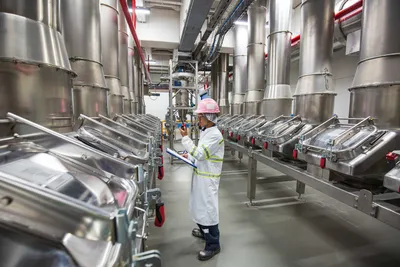
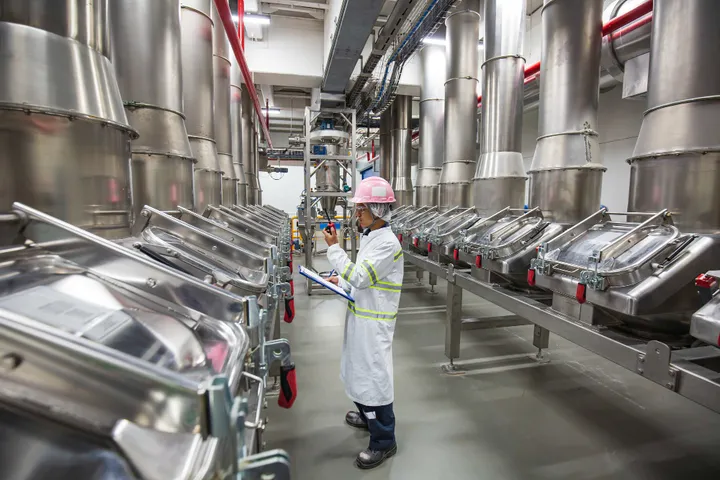
Food-production facilities, commercial kitchens, cold-storage areas, and bakeries in Hillsborough Township need floors that survive thermal shock, aggressive sanitizers, and USDA/FDA inspection. Standard epoxy fails under these conditions. We install urethane-cement and high-build systems designed for the food industry.
What Hillsborough Food-Processing Floors Require
Food facilities have the most demanding floor requirements of any commercial or industrial environment.
Hot water at 160 to 180 degrees hits a cold slab multiple times per shift. Standard epoxy is rigid and cracks under this cycling within months. Urethane-cement flexes with the slab, absorbing thermal shock without delaminating or cracking. This is the reason food-grade facilities worldwide use urethane-cement over epoxy for production areas.
Food facilities use caustic sanitizers (sodium hydroxide), acidic cleaners (phosphoric acid, citric acid), and oxidizing agents (peracetic acid, chlorine solutions). Each attacks coatings differently. We ask what your facility uses, review concentrations and exposure times, and select a system rated for your specific cleaning protocol. A floor that handles one sanitizer may fail under another.
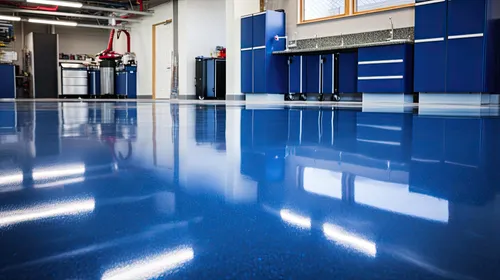
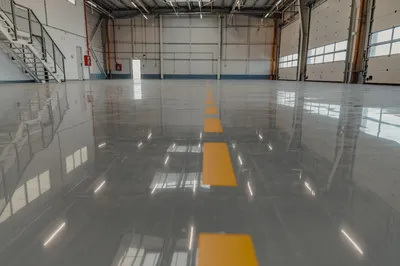
USDA and FDA inspectors look for seamless, non-porous surfaces with no cracks, gaps, or exposed concrete. Integral cove base at wall transitions is expected. Proper drainage slope prevents standing water. We install systems that meet these requirements so your facility passes inspection without remediation. The floor is one less thing for inspectors to flag.
Wash-down water must flow to drains without pooling. Pooled water breeds bacteria and creates slip hazards. Before coating, we verify the slab slope and correct low spots. Drain detailing ensures a seamless seal around floor drains so water does not seep under the coating. This is critical in facilities that wash down production areas multiple times per shift.
Food-processing floors are wet for most of the work day. We broadcast anti-slip aggregate at a grit level that prevents slips without creating a surface so rough that it traps food particles or resists squeegee cleaning. The texture is calibrated for the specific conditions in your facility, wet floors with fats and oils require more texture than dry packaging areas.
Why Hillsborough Food Facilities Need Urethane-Cement Floors
Food-processing floors face a combination of conditions that standard epoxy cannot handle. Hot wash-downs with 180-degree water hit cold slabs multiple times per shift, creating thermal shock that cracks rigid coatings within months. Caustic sanitizers and acidic cleaning solutions attack the surface chemistry. Forklifts, pallet jacks, and heavy ingredient bins create rolling loads and impact. And the floor has to pass USDA or FDA inspection at any time.
Urethane-cement systems are built for this. They flex with thermal cycling instead of cracking. They resist the specific sanitizers food facilities use, from quaternary ammonium to peracetic acid to sodium hydroxide. The seamless, non-porous surface has no grout lines where bacteria can harbor. Integral cove base at wall transitions eliminates the gap where water and organic matter collect during wash-downs.
We install around production schedules in Hillsborough food facilities. Zones are prepped and coated during off-shifts or planned downtime. Each zone gets a published cure time so production knows exactly when the area is back in service. Drainage slope is verified before coating so wash-down water moves to drains without pooling. Slip-resistant texture is broadcast at a grit level that prevents slips on wet surfaces while still allowing squeegee and mop cleaning.
Every project follows the same proven steps, from free estimate to final walkthrough.
Your floor backed for life. In Writing. If the coating bond ever fails, peels, or delaminates, we come back and make it right: materials and labor, at no cost to you.
What Hillsborough Food Facilities Get
Key Benefits
- Urethane-cement system built for thermal shock from hot wash-downs
- Chemical resistance matched to your facility's specific sanitizers
- USDA/FDA-compliant seamless surface with integral cove base
- Drainage slope verified and corrected before coating
- Slip-resistant texture calibrated for your production conditions
Ideal For
Food-production, cold-storage, commercial baking, and processing facilities in Hillsborough Township that need floors meeting USDA/FDA standards while handling thermal shock, aggressive chemicals, and heavy production traffic.
What to Expect
A facility assessment including chemical exposure review, drainage slope check, and production schedule discussion. Written quote with a zone-by-zone phasing plan and published cure times. Installation during off-shifts or planned downtime. Each zone back in service on schedule.
Food Processing Floor FAQ for Hillsborough
Why urethane-cement instead of standard epoxy?
Standard epoxy is rigid and cracks under thermal shock from hot wash-downs. Urethane-cement flexes with the slab as temperatures cycle. Food-grade facilities worldwide use urethane-cement for production areas because it handles the combination of heat, chemicals, and heavy traffic that epoxy cannot.
Will the floor resist our sanitizers and cleaning chemicals?
We ask what products your facility uses, review concentrations and exposure times, and select a system rated for those specific chemicals. Caustic, acidic, and oxidizing sanitizers each attack coatings differently. We match the chemistry to your cleaning protocol.
Can you install without stopping our production?
Yes. We zone the floor and work during off-shifts, weekends, or planned maintenance windows. Each zone has a published cure time so your production schedule knows exactly when the area is back in service. We never take the entire facility offline at once.
Do you handle drainage and cove base?
Yes. We verify drainage slope before coating and correct low spots so wash-down water moves to drains without pooling. Integral cove base is installed at all wall transitions to create a seamless floor-to-wall seal. Drain detailing is included in every food-facility quote.
Will this floor pass USDA/FDA inspection?
The system is designed to meet USDA/FDA requirements: seamless, non-porous surface, integral cove base, proper drainage, and no exposed concrete. Inspectors look for these specific features. A properly installed urethane-cement floor passes inspection without remediation.
Get a quote for your Hillsborough food-processing floor
Urethane-cement systems for food production. Thermal-shock resistant, USDA/FDA compliant. Phased around your schedule.
Call Us: (908) 916-3535