Food Processing Floor Coatings in Branchburg, NJ
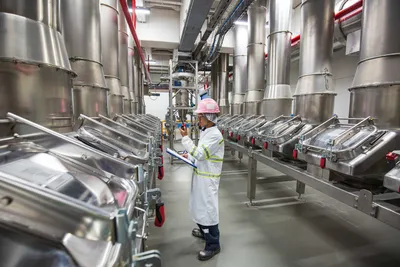
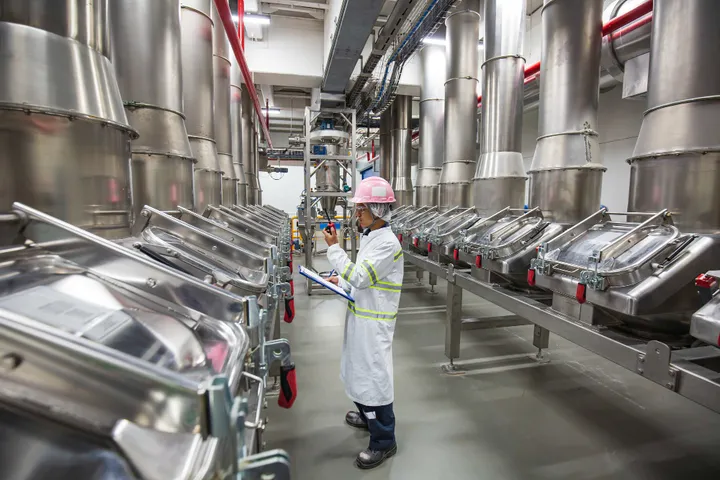
Food processing and distribution operations in Branchburg's Route 22 industrial zone and Route 202 commercial corridor deal with floor requirements that standard epoxy simply cannot meet: surfaces that withstand daily hot-water sanitizing, resist caustic cleaning agents without degrading, provide non-slip traction under wet food processing conditions, and remain fully compliant with state and federal food facility hygiene standards. We install urethane cement and chemical-resistant systems in Branchburg food facilities built specifically for these demands.
What Food Processing Floors Demand
Compliance, sanitation, and safety requirements make food-processing floors the most demanding industrial category. We assess these during your site visit.
Third-party auditors check flooring as part of their assessment. Cracks, grout, and porous surfaces are findings. We install systems that meet USDA acceptance criteria and support SQF, BRC, and FSMA compliance. The system spec is documented for your audit file.
Hot water wash-down at 180°F hitting a cold slab, cold-storage transitions from 35°F to ambient, and steam cleaning create thermal cycling that cracks standard epoxy. Urethane cement handles the full range without delaminating.
Processing lines, wash-down areas, and packaging zones are wet continuously. We broadcast aluminum oxide or quartz for aggressive slip resistance and zone the texture by area. Dry storage gets less texture; processing lines get maximum traction.
The floor-to-wall joint is where water, product, and bacteria collect. Integral cove base eliminates the seam. Slope-to-drain ensures water flows to collection points and does not pond. Both are standard on every food-processing floor we install.
Peracetic acid, chlorinated alkaline cleaners, quaternary ammonium, and caustic wash solutions are common in food processing. Each has a different chemical profile. We match the flooring system to your actual CIP and sanitation chemicals.
Food facility floors in Branchburg industrial zones
Food distribution and processing facilities in Branchburg face a specific combination of floor stressors. Temperature cycling is the most destructive: a floor that goes from ambient temperature to cold storage and back repeatedly, combined with hot-water sanitation cycles between production runs, creates thermal stress that cracks standard epoxy within months. The crack pattern, once it starts, creates pathogen harboring sites that violate food safety protocols and cannot be cleaned to compliance.
The second issue is chemical resistance. Commercial food processing uses cleaning agents that are more aggressive than anything in residential or general commercial applications: caustic alkalis at high concentration for equipment cleaning, acidic cleaners for scale removal, and quaternary ammonium or peroxyacetic acid sanitizers applied at working strength. Standard epoxy topcoats degrade under these agents. Urethane cement is specifically formulated to resist them at full working concentration while maintaining the texture and non-porous surface that sanitation protocols require.
We install food processing floor systems in Branchburg around your production and sanitation schedule. For facilities running continuous operations, we identify maintenance windows and phase the installation so production areas rotate in and out of service. For facilities with defined cleaning shutdowns, we complete the installation within that window and have the floor ready for the next production run.
Every project follows the same proven steps, from free estimate to final walkthrough.
Your floor backed for life. In Writing. If the coating bond ever fails, peels, or delaminates, we come back and make it right: materials and labor, at no cost to you.
What you get
Key Benefits
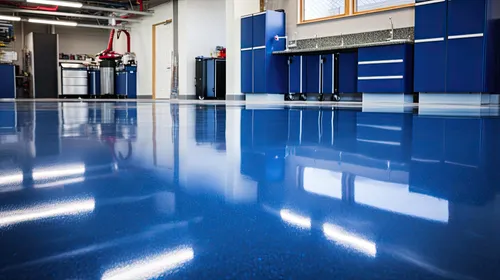
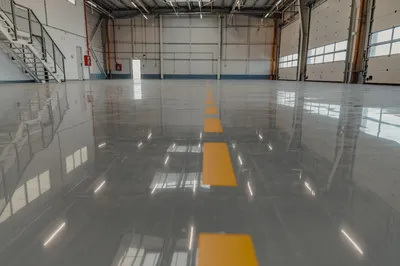
- Urethane cement system rated for food processing thermal cycling and chemical sanitation
- Non-porous, seamless surface meeting NJ and federal food facility hygiene requirements
- Seamless cove base at wall junctions to eliminate pathogen harboring sites
- Non-slip texture appropriate for wet food processing conditions
- Installation phased around your production and sanitation schedule
- Vapor-managed primer system on clay-soil slabs throughout the township
Ideal For
Food processing, food distribution, commercial bakery, and food packaging operations in Branchburg's Route 22 and Route 202 industrial and commercial zones where the floor system must meet food facility hygiene standards and handle the daily demands of production sanitation.
What to Expect
We visit the facility, assess slab conditions and sanitation protocol, and build an installation plan around your production schedule. Most food processing floor installations phase by zone over two to four nights. The installed system meets food facility hygiene standards and is ready for production sanitation inspection.
Food Processing Floor FAQ - Branchburg
Why does standard epoxy fail in food processing environments?
Standard epoxy is a rigid material that cannot accommodate thermal cycling without cracking. Food processing floors go from hot water sanitation to cold storage temperatures repeatedly, and each cycle creates micro-stress in the coating that propagates over time. Once cracked, the floor harbors bacteria in the crevices and fails food safety inspection. Urethane cement is flexible enough to handle thermal movement, dense enough to resist the impact loads of food production equipment, and chemically resistant to the full range of sanitizing and cleaning agents used in food facilities.
What hygiene standards does your system meet?
The urethane cement systems we install are non-porous, non-absorbent, and cleanable with the full range of EPA-registered food facility sanitizers. The seamless cove base installation eliminates wall-floor junctions as pathogen harboring sites. These systems meet the flooring requirements of NJ state food facility regulations and are compatible with HACCP program documentation. We can provide product specification sheets for your compliance file.
Can you install the floor without shutting down production?
In most cases, yes. We phase the installation by production zone and coordinate with your operations manager to schedule each zone during low-production periods or sanitation shutdowns. The phasing plan is developed during the site assessment so you know exactly which zones are out of service and when before we start. Most food processing zones are ready to return to production use within 48 to 72 hours of installation.
Get a quote for your Branchburg food facility floor
We assess the facility, review your sanitation protocol, and install around your production schedule. Compliant floor systems for Branchburg food processing and distribution operations.
Call Us: (908) 916-3535