Food Processing Floor Coatings in Bernards Township, NJ
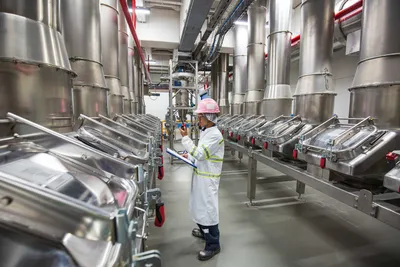
Food processing and food-adjacent facilities near Bernards Township need floors that pass health inspections, handle thermal shock from hot water cleaning, resist food acids, and provide consistent slip resistance in wet environments. Urethane cement is the standard for this application, and we install it around your sanitation and production schedule.
What Food Production Floors Require
USDA and FDA-regulated food production environments have non-negotiable flooring requirements. We design around all of them.
Food production facilities clean with hot water that cycles the floor surface rapidly from ambient to high temperature. Standard epoxy develops micro-cracking under this thermal cycling over time, then cracks and delaminate. Urethane cement is thermally stable at the temperature ranges food production cleaning generates.
Sugars, starches, food acids, oils, and fats present in food production degrade standard epoxy topcoats. We use urethane cement or urethane-modified epoxy systems with demonstrated resistance to food-grade chemicals and the specific sanitizers your facility uses.
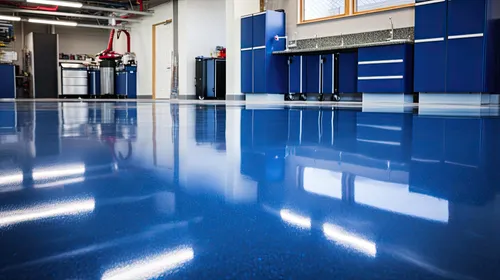
USDA and FDA food facility inspections require sealed floor-to-wall junctions with no gaps or crevices. We install integral cove base using the same system as the floor, creating a continuous coated surface from wall to floor. Flat junctions are a failed inspection.
Floor drain channels in food production facilities need to be integrated into the flooring system to prevent gaps and edge delamination. We detail around trench drains and floor drain bodies during installation so the completed floor has no sanitation gaps at drainage transitions.
Food production floors are frequently wet from process moisture and cleaning. We apply broadcast aggregate to food processing floors as standard to achieve the slip coefficients required for wet production environments. Texture profile is selected to balance slip resistance with cleanability.
Food-Safe Floors for Production Environments
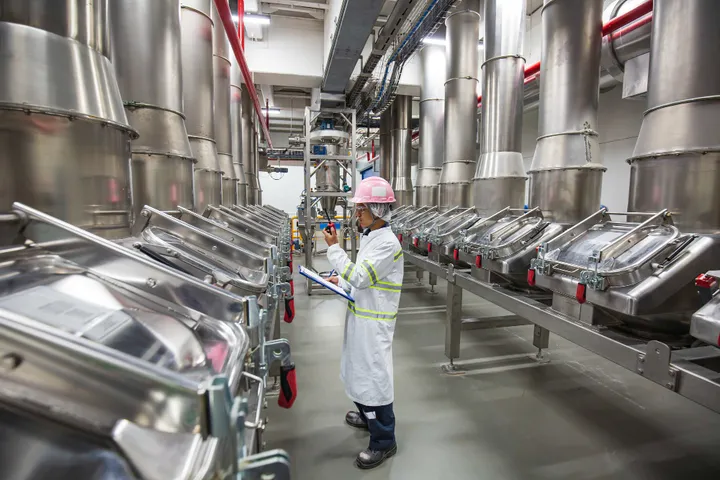
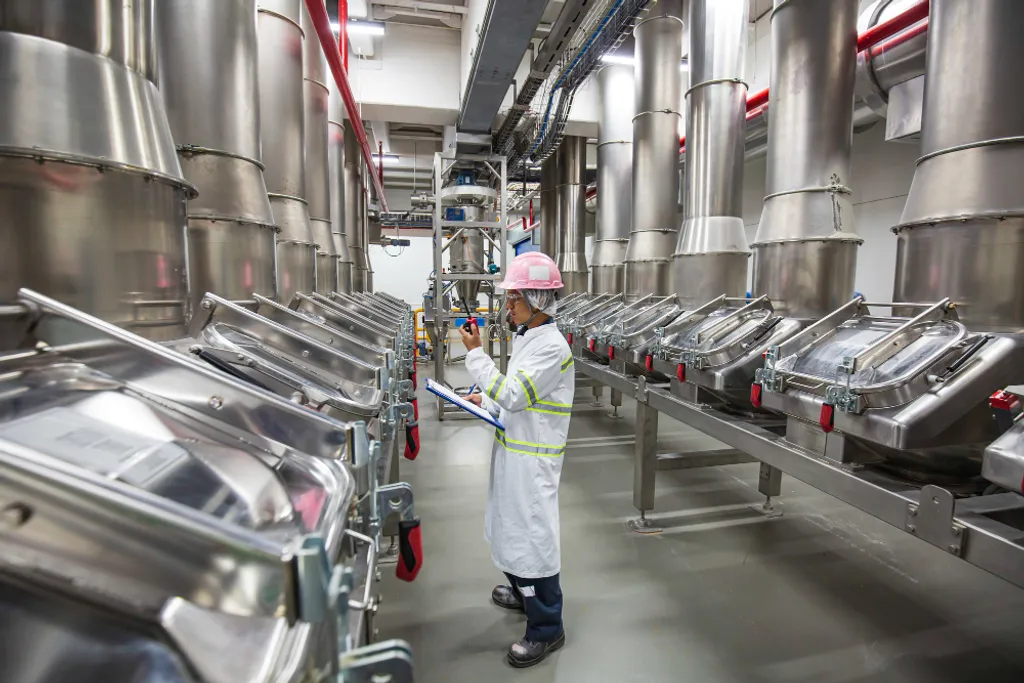
Food processing and food-adjacent production in the Bernards Township and Somerset Hills area includes catering operations, commercial food preparation kitchens, and light food production facilities. These environments operate under USDA, FDA, and local health department requirements that specify sanitary flooring conditions. Seamless, coved, easy-to-clean floors are not optional, and grout lines or cracked coatings are a failed health inspection.
Urethane cement is the correct system for food processing environments. It handles the thermal shock from hot water cleaning, which cycles the floor from cold to hot rapidly and cracks standard epoxy over time. It resists food acids, fats, sugars, and the sanitizing chemicals used in food production. It provides consistent slip resistance in wet conditions. These are not features that food service operators can trade for a lower price point.
We install food processing floors around your production and sanitation schedule. Phased work by zone keeps part of the facility running while sections cure. We include integral cove base at wall junctions and floor drains sealed into the system so there are no sanitation gaps that fail inspection.
Every project follows the same proven steps, from free estimate to final walkthrough.
Your floor backed for life. In Writing. If the coating bond ever fails, peels, or delaminates, we come back and make it right: materials and labor, at no cost to you.
What Food Processing Epoxy Delivers
Key Benefits
- Urethane cement system rated for hot water thermal cycling
- Food acid, fat, and sanitizer chemical resistance
- Integral cove base for USDA and FDA sanitation compliance
- Slip-resistant broadcast aggregate for wet production conditions
- Drain and trench integration with no sanitation gaps
- Phased installation around your production and sanitation schedule
Ideal For
Food processing, food production, commercial catering, and food-adjacent manufacturing facilities near Bernards Township and the Somerset Hills area operating under health department, USDA, or FDA requirements.
What to Expect
We review your facility regulatory requirements, production schedule, and existing floor conditions before quoting. You get a scope that names system chemistry, cove base, drain integration, and installation phasing. We work around your sanitation schedule.
Food Processing Floor FAQ
Why does food processing need urethane cement instead of standard epoxy?
Thermal shock from hot water cleaning breaks down standard epoxy over time. Food production floors get washed with hot water repeatedly, cycling from ambient to high temperature rapidly. Urethane cement is thermally stable through this range and also resists the food acids, fats, and sanitizers present in food production. Standard epoxy is the wrong product for this application, and we do not install it in food processing environments.
What does sanitation compliance require for the floor?
USDA and FDA food facility requirements typically call for seamless, non-porous floors with no grout lines, sealed wall junctions (cove base), and a surface that can be cleaned and sanitized with standard food-safe protocols. We install systems meeting these requirements and can provide product data sheets and system documentation for your compliance records.
Can you work around our production and cleaning schedule?
Yes. We phase food processing floor installs around your production windows and cleaning shifts. We need to work on a surface that has been cleaned and is not actively wet, which requires coordinating with your sanitation team. We plan this in detail before the project starts.
Get a quote for your food processing floor
Tell us about your facility's regulatory requirements and production schedule. We will assess the slab and provide a scope designed for food-safe compliance.
Call Us: (908) 916-3535