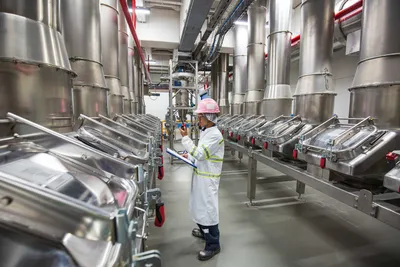
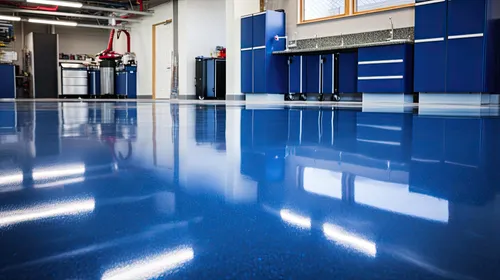
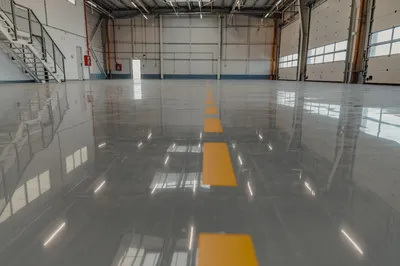
Food Processing Floor Coating in Piscataway, NJ
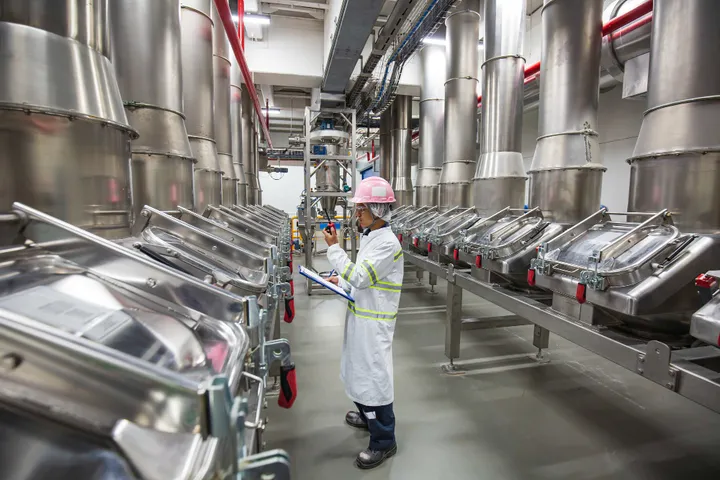
USDA-minded processors, cold-chain repackagers, and beverage support plants along I-287 and Centennial Corporate Park need floors that survive hot wash-down, cold-room transitions, and third-party audits. We install compliant urethane cement systems zone by zone so Piscataway production keeps moving.
What Piscataway Food Processing Floors Endure
Wash-down chemistry, thermal shock, and audit documentation requirements exceed standard industrial coatings. We verify each on site.
SQF, BRC, and FSMA programs want flooring that meets documented acceptance criteria. We install systems with traceable data sheets, capture batch notes when required, and deliver a closeout package you can drop into your food safety binder.
A 180 degree rinse followed by a 35 degree cold-room interface cycles the slab constantly. Standard epoxy cracks; urethane cement spans from sub-freezing to high-temperature wash without debonding, which is critical for Piscataway plants that move product between temp zones.
Peracetic acid blends, chlorinated cleaners, and caustic CIP solutions each attack flooring differently. We align the stack with the sanitation program your QA team already approved so the surface does not degrade after the first quarter of full-strength use.
Many I-287 era buildings were not poured with modern drainage thought. We can build slope corrections in the system and tie into existing trench drains so water moves instead of puddling at equipment feet.
When one line cannot pause, we isolate adjacent zones, control dust, and sequence cure times with your sanitation window so QA sign-off stays on schedule.
Why Food Processors Replace Tile With Urethane Cement
Piscataway and greater Middlesex County host food-adjacent manufacturing that ranges from specialty ingredient blending to repackaging, cold storage handoffs, and distribution-first facilities that still wash equipment nightly. Buildings near I-287 often serve regional routes into New York and Philadelphia, which means auditors, retail customers, and insurers all care about the same details: seamless surfaces, integral cove, slope-to-drain behavior, and documentation.
Quarry tile fails the same way here as anywhere: grout absorbs, cracks, and becomes a bacterial harbor. Bare concrete dusts and cannot sanitize to the standard auditors expect. Urethane cement gives a seamless, thermal-shock-capable surface accepted for food facility use when installed with the right details. Piscataway plants still answer to Middlesex County health rules plus federal expectations, so the floor has to perform in both the paperwork file and the wash-down.
We never ask for a plant-wide shutdown unless you schedule it. Processing lines, packaging rooms, cold docks, and sanitation zones rotate through coating phases. Each zone returns within 24 to 48 hours with cure conditions documented. Integral cove and drainage planning are built into the scope from day one, not added after pricing.
Every project follows the same proven steps, from free estimate to final walkthrough.
Your floor backed for life. In Writing. If the coating bond ever fails, peels, or delaminates, we come back and make it right: materials and labor, at no cost to you.
What Piscataway Food Processors Get With Compliant Flooring
Key Benefits
- USDA-accepted urethane cement with audit-ready documentation
- Thermal-shock performance for wash-down and cold storage
- Seamless surface with integral cove at walls and equipment
- Slip-resistant broadcast in wet processing areas
- Zone-by-zone installation that avoids total shutdowns
- Chemistry matched to your sanitation program
Ideal For
Food and beverage processors, cold-chain repackagers, specialty ingredient facilities, and distribution kitchens undergoing USDA, SQF, BRC, or FSMA scrutiny in Piscataway and Middlesex County.
What to Expect
Facility assessment with QA and sanitation input, written system spec, phased schedule tied to production, and turnover package with cleaning guidance for your sanitation crew.
Piscataway Food Processing Floor FAQ
Will the floor pass our USDA or SQF audit?
We install documented, USDA-accepted urethane cement systems with seamless fields, integral cove, and drainage-friendly detailing. Your auditor still validates your entire program, but the flooring package is built to the standard they expect to see in Middlesex County food plants.
Can you phase around our Piscataway production schedule?
Yes. We coat one zone at a time while adjacent lines run. Each area returns within 24 to 48 hours with defined cure checks. Night and weekend windows are common for high-volume plants.
What about cold-storage floors?
Door cycles slam warm, humid air onto cold slabs. Urethane cement handles that swing better than standard epoxy. We also add texture for condensation-prone areas so traction stays predictable.
What does food-processing flooring cost in Piscataway?
USDA-grade work often lands $10 to $20 per square foot installed depending on drainage work, demolition, and phasing. A 3,000 to 5,000 sq ft zone might total $40,000 to $80,000. We quote after slab review.
How do we clean the floor after installation?
Follow your existing sanitation program. The non-porous surface tolerates hot water rinses and the approved chemical strengths you already use. We provide a short compatibility note for your QA file.
Get a quote for your Piscataway food processing floor
We review your process, sanitation chemistry, and audit needs, then deliver a phased urethane cement plan for Middlesex County plants.
Call Us: (908) 916-3535